
Amelia Schafer
ICT + Rapid City Journal
RAPID CITY, S.D. – On Nov. 1, community members volunteering for Oyáte kiŋ čhaŋtéwaštepi arrived at Memorial Park expecting to set up a weekly free meal at the bandshell. Instead, they were met with a large fence barricading the structure.
Without notice, the city set up a fence around the bandshell, prohibiting the group’s members from serving free Friday meals as they have done since 2018.
This isn’t the first time the city has interfered with the group’s work, said Lloyd Big Crow, Oglala Lakota, and founder of Oyáte kiŋ čhaŋtéwaštepi.
“I’ve fought with them every year,” Big Crow said. “I knew it was a matter of time before this popped up again.”
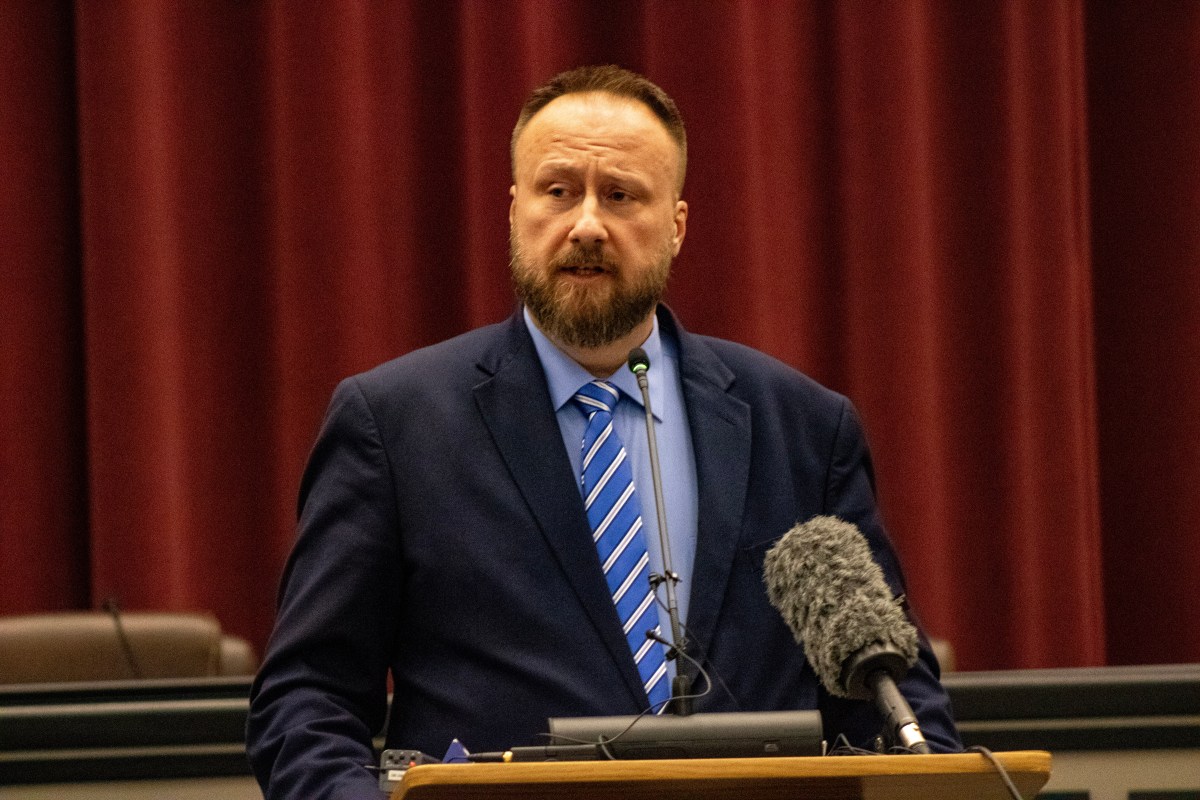
Rapid City Mayor Jason Salamun addressed the city’s decision to barricade the bandshell during a Nov. 4 press conference.
“This has nothing to do with stopping the meals that are happening at the bandshell,” Salamun said. “The issue wasn’t about the weekly meals, it was what was happening between the meals that was concerning.”
Salamun said from 2023 to 2024 there have been 777 calls for service made in the area and 134 calls for Emergency Medical Services. Additionally, Salamun said, “bodily fluids” such as blood, urine and feces are frequently cleaned from the area, causing additional safety concerns.
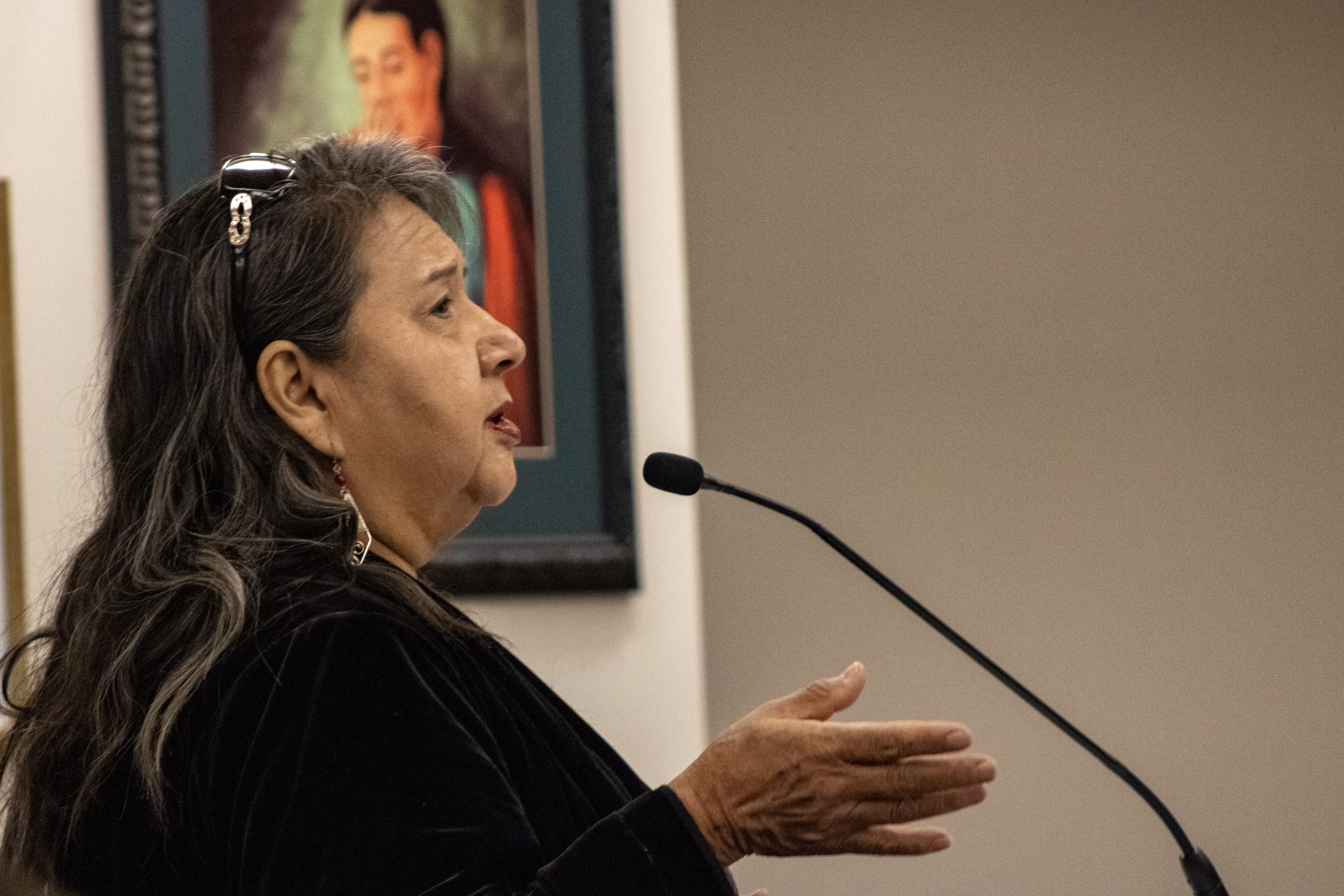
“Because of feces in the bandshell, I didn’t think it was appropriate to have people eating where others use the restroom,” Salamun said.
Salamun opened his remarks by apologizing for a lack of communication from the city to the community ahead of the fence being erected.
Groups can work with the parks department to have the fence removed when the area is needed, Salamun said. The city is also willing to waive the permit fee to use the area. In 2023, the city began enforcing a $100 per day permit to use the area.
“There’s a lot of people that wanted to pay the permit, that was no problem,” Big Crow said. “But the thing is we’re on treaty land. I’m not gonna ask somebody permission to do something on treaty land.”
In June 2023, the city began discussing the potential to build a new facility for homeless services at a local soccer field. Those discussions went nowhere, said Big Crow and Tom Whillock, an organizer with Oyáte kiŋ čhaŋtéwaštepi.
“But who should really be at those conversations? The unhoused people, the marginally housed people,” Whillock said. “I really want to make sure, as this conversation moves forward, that we bring their voices to the table.”
The group uses the bandshell because of its proximity to the homeless community, the shelter it provides and its central location.
A fence isn’t going to stop them, Whillock said. Instead, on Nov. 1 volunteers set up and served community members on the other side of the fence rather than inside the bandshell.

This story is co-published by the Rapid City Journal and ICT, a news partnership that covers Indigenous communities in the South Dakota area.
Our stories are worth telling. Our stories are worth sharing. Our stories are worth your support. Contribute today to help ICT carry out its critical mission. Sign up for ICT’s free newsletter.

