
This story has been updated with a statement from the Cheyenne River Sioux Tribe.
Jourdan Bennett-Begaye
ICT
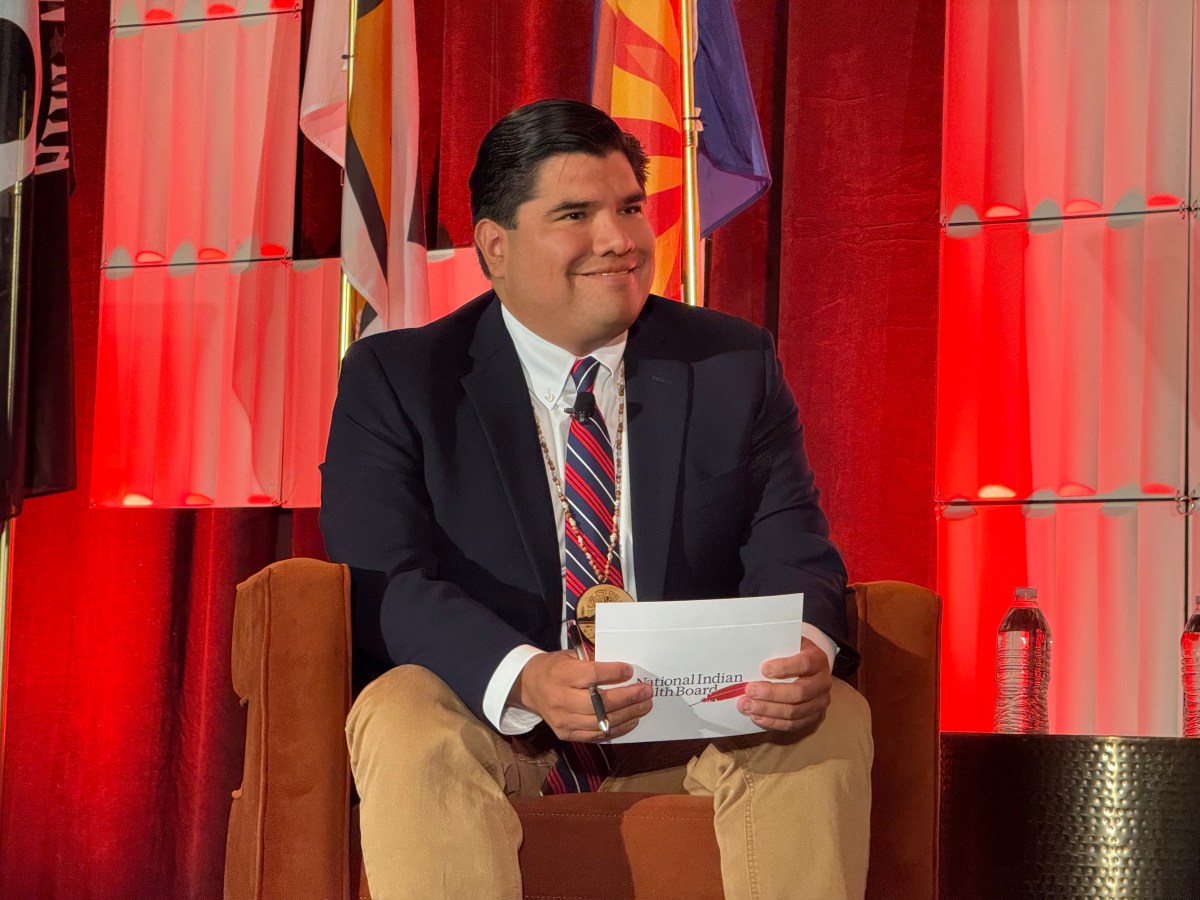
WASHINGTON — The White House nominated Mark Cruz as director of the Indian Health Service on Monday in a batch of nominations sent to the U.S. Senate.
He was nominated for a four-year term for the role in the Department of Health and Human Services after the previous IHS director and Navajo citizen, Roselyn Tso, resigned.
The role has been vacant under the Trump administration since Tso’s resignation on January 17, 2025.
Since then, IHS has had two acting IHS directors. Benjamin Smith, Navajo Nation, took on the role after Tso left through November. Clayton Fulton, who was hired as IHS chief of staff, took on the role and responsibilities of the acting IHS director in December 2025, according to a statement from IHS. Fulton is from the Cherokee Nation.
“This delegation will remain in place while the IHS director position continues to be vacant,” stated in an IHS news release from December 2025.
Since June 2025, Cruz has served in the newly created position of tribal senior advisor for Indian health to Secretary of Health and Human Services Robert F. Kennedy Jr. His job is to be a liaison for the secretary on the department’s tribal health program, a move supported by tribal nations and national tribal health organizations.
The Cheyenne River Sioux Tribe passed a resolution June 2 to show their support for Cruz’s nomination.
“Mark’s leadership and understanding of Tribal sovereignty and 1868 treaty rights qualifies him to lead the Indian Health Service,” Chairman Ryman LeBeau stated in a news release. “We look forward to working with him to improve the healthcare of our people.”
Cruz, a citizen of Klamath Tribes from Oregon, holds a master’s degree in urban education policy from Brown University and a bachelor’s degree in political science from Pepperdine University.
He previously held the role of deputy assistant secretary for policy and economic development for Indian Affairs at the Department of Interior and worked for former Republican Rep. Todd Rokita of Indiana and Republican Rep. Tom Cole, Chickasaw, of Oklahoma.
He has also done work for the Oregon House Republican Caucus and was an aide for the U.S. Department of Education.
The IHS director oversees that comprehensive health care is provided to approximately 2.8 million American Indians and Alaska Natives from 575 federally recognized tribes as part of the treaty and trust obligation from the United States federal government.
Senators, representatives, and advocates have been working to elevate the IHS director role with the Health department to assistant secretary by introducing two bills since 2025.
Promoting the director would allow the individual to recruit and retain essential IHS employees like physicians and nurses.
Nevada Sen. Catherine Cortez Masto’s office told ICT in February that if those decisions need to be made right now, the IHS director would need to relay that information to and receive approval from the assistant secretary of health, who does not fall under IHS and doesn’t have the background and training to make those choices. It can create delays and worse situations. Cortez Masto, a Democrat, introduced the Senate version of the bill to elevate the position of IHS director.
Cruz’s nomination has been sent to the Senate Committee on Indian Affairs. The committee will have to have a hearing and the full U.S. Senate will need to confirm the nomination.
ICT’s Amelia Schafer contributed to this report.

