

Renata Birkenbuel
School is in full swing for students of all ages after summer break.
But a dedicated group of educators work year-round to problem-solve persistent, complex problems among Native students in the hopes of easing their education journey.
In our ICT education roundtable, three experts discuss three nagging issues – chronic absenteeism, a severe drop in college enrollment among Natives and the ongoing importance of teaching Native curriculum.
In order to avoid a domino effect of young Native students who miss too much school for a variety of reasons, educators are highly tuned into the reasons that factor into chronic absenteeism, for starters.
CHRONIC ABSENTEEISM
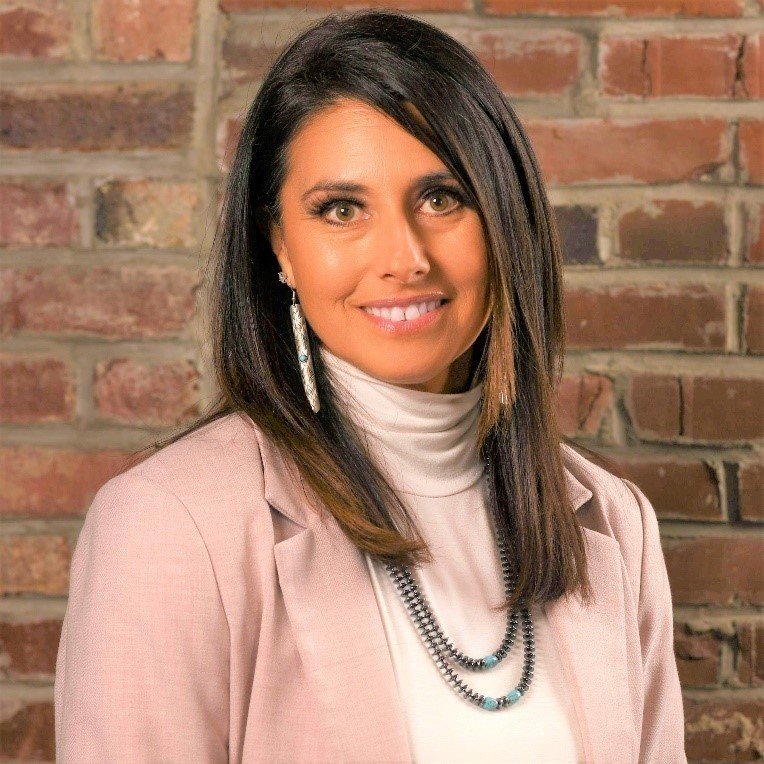
After 20 years of working in Anadarko, Oklahoma, where up to 85 percent of the students are Native, Donna Richey, Tribal Communities and Schools Program Director for the National Indian Education Association, said chronic absenteeism is an ongoing challenge.
“So, chronic absenteeism has been a huge factor for our students, for reducing students finishing school,” said Richey, Kiowa. “Usually for our native students, the number is doubled for them as opposed to other areas of race or ethnic groups.”
As absenteeism rates escalated, Richey and the National Indian Education Association started a partnership program with schools during the 2020 COVID pandemic to help lower the numbers.
“We were able to kind of stabilize that a little bit in our community,” said Richey. “I always loved hearing our superintendent say, ‘I don’t know what we would’ve done without this program.’”
Some major causes of absenteeism include lack of transportation to and from school – especially in rural areas. Others are wellness-oriented – mental and physical health, no internet access, no computer at home – even the lack of basic resources like electricity. All can hurt a student’s attendance in both rural and urban schools.
Richey said cultural identity, historical context of Native families, community support and the degree to which a family values education play into their child’s quality of education, too, in public, tribal and BIE schools.
Usually Natives tend to have double the number of absences, “as opposed to other areas of race or ethnic groups,” added Richey. “Our goal was to have 75-to-85 percent of the students that we were working with, specifically with our native students … to reduce their absenteeism.”
After relationship building with the community as a whole and close monitoring of students, Richey said as many as about 95 percent of the students the National Indian Education Association worked with decreased their number of absences. Overall, Anadarko schools reduced chronic absenteeism 10-to-20 percent.
Public schools like some in South Dakota with high Native student populations can learn from charter schools, which Richey said tend to have more “community wealth.”
“A lot of charter schools really are community-based, and they’re choice-based,” which can make a big difference in increasing Native attendance,” she said.“They have language immersion, they have cultural immersion.”
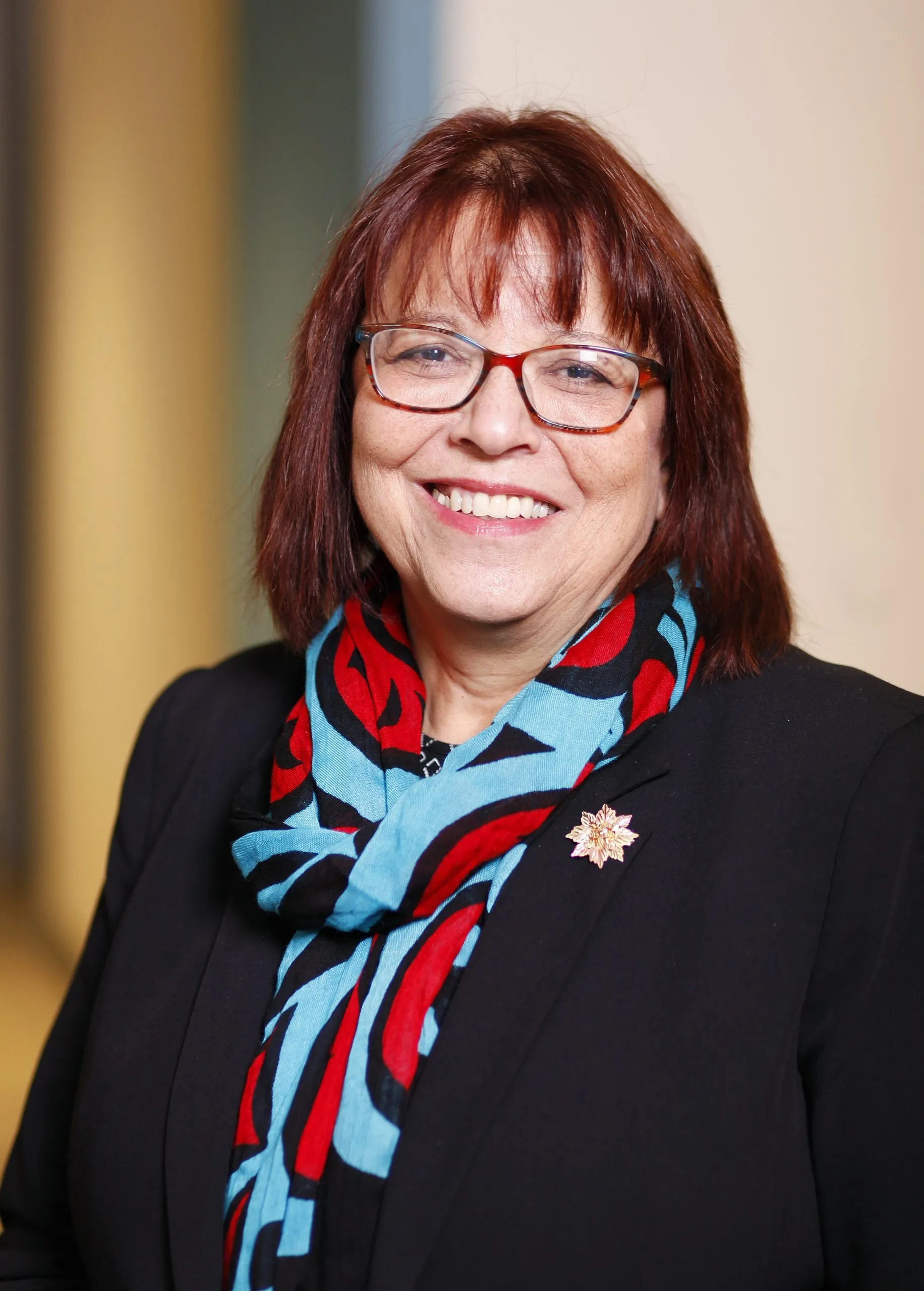
Cheryl Crazy Bull, Sicangu Lakota, President of the American Indian College Fund and a former tribal school superintendent, echoed Richey’s suggestions for a student’s later decision to seek higher education.
“How do you help people?,” said Crazy Bull. “How do you incentivize the value of learning, which is really a strong tradition among all of our people? Our people always valued learning. And so being able to make that cultural connection like you were talking about, I think is really important.”
Crazy Bull said absenteeism can decrease with K-12 school-wide cultural events and community bonding by “Creating that connection between the community, something that was really a critical issue for us as Lakota people, but also helping young people and their families see that they could have something really important to their identity.”
Richey said simply communicating regularly with families promotes cultural identity for students.
A goal is to help K-12 students realize that they, too, can eventually attend college.
LOWER COLLEGE ENROLLMENT
Crazy Bull confirmed that college enrollment among Native students has dropped drastically in the last 12 years.
“We’ve seen a drop in Native student enrollment in college of about 40 percent, which is a crisis in Indian country,” said Crazy Bull. “It’s actually a crisis for America when you have a population that isn’t able to access post-secondary education.”
Some causes remain the high cost of college and family obligations, including child care and jobs for non-traditional students.
“We find that a significant number of students, like at the College Fund, that about 40 percent of our students have dependents,” added Crazy Bull.
The American Indian College Fund, however, remains a vital resource.
“There are increased investments through scholarships, increased advocacy for raising the amount of the Pell Grant Award,” Crazy Bull said. “You know, helping students navigate that environment so they can remove that financial barrier, I think is really important.”
But first things first. Applying for financial aid as soon as possible is key.
“I just wanna give a shout out to students,” Crazy Bull added. “If you are in college and you haven’t completed your free application for federal student aid, please do so. If you’re thinking about going to college, please do that. You can go to the college fund’s website and get help on how to complete your Free Application for Federal Student Aid that will help you address the financial issues.”
Another barrier that Native students face is finding a lack of community on a college campus once they arrive.
“Does a student, or a potential student who tries college, actually feel like they belong?,” said Crazy Bull. “Often times we act like it’s the student’s fault if they struggle in an institution. I think that it’s the institution that should be responsible for removing barriers to student engagement and increasing the sense of belonging.
“I think our people have to work hard,” she continued. “We have to invest in our education, we have to take the time to do that. But I do think if you look at recruitment, for example, for post-secondary education, most of our students don’t get recruited for college. Most of our students don’t have access to school counselors to give them some advice on how to go to college.”
Anna East, who taught 22 years on the Flathead Reservation and watched generations of students head for college, echoed that institutions must work hard to recruit and retain Native students – and that upper management should listen to savvy Native instructors, professors and staff leaders on campus.
Recruiters must take into account that first-generation college students whose parents did not graduate college may not envision themselves doing so.
“We recognize that the family – even if the family’s struggling – still has to be part of the decision making around going to college,” added Crazy Bull. “When the family isn’t involved, then that contributes to that decline and student involvement.”
One College Fund resource is the Native Pathways Guidebook, a practical, culturally relevant step-by-step guide for preparing for and getting into college.
Another way to point Natives toward college is expanding Native curriculum in schools.
NATIVE CURRICULUM
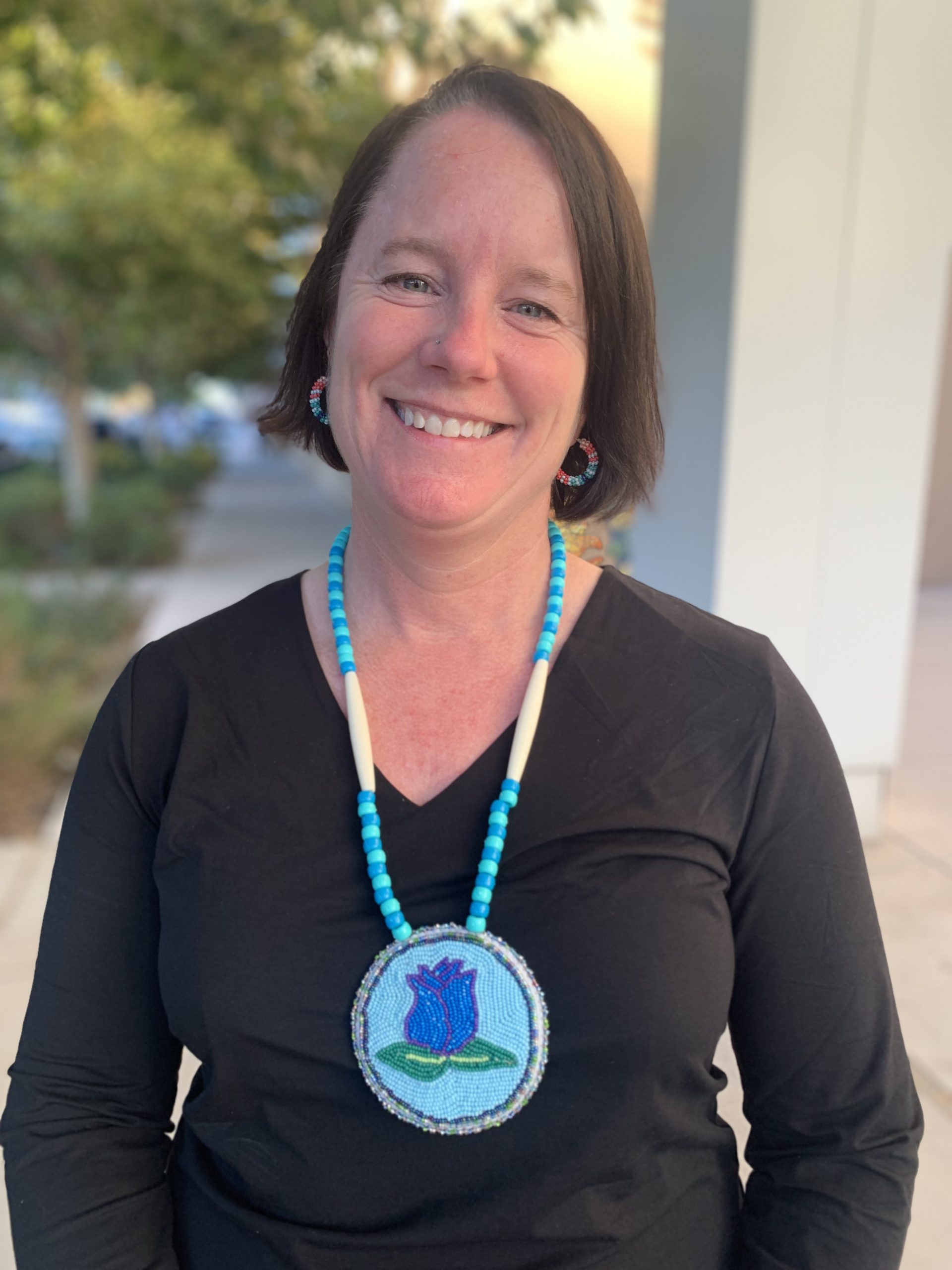
“A lot of the curriculum … could be improved or could be enhanced, said East, a non-native who teaches Native Curriculum to teachers and who works as Tribal Relations and Education fellow for the Montana Digital Academy.
Montana is unique in that it has written into its progressive 1972 constitution an Indian Education for All statute.
Indian Education for All eventually became law, so that all students in all subject areas in kindergarten through college, can learn in “culturally responsive” ways about Montana’s first peoples. Legislators eventually funded IEFA in 2005, plus an adaptive curriculum exists for teachers of all subject areas.
“It’s been an ongoing challenge to help teachers learn what they need to know for their grade level, for their subject level, and based on the background that they have or don’t have,” said East.
“Also, we have a lot of new teachers coming into the state, and, and they have to get caught up,” East added. “There’s no sort of class that everyone takes in order to get a (IEFA) teaching license here. They’re just supposed to do the work and do it well. So those are some of the things that I talk about when I talk with teachers and districts who ask me to come do workshops with teachers.
Isolated, one-time lessons about Native history are out. Ongoing merging of Native culture in all classes is in.
“What Indian Education for All does,” added East, “is it infuses the curriculum with materials that are respectful and culturally responsive, and if done well, engage students in feeling much more included. And so, for students to have that experience, teachers need to also know it. And those are Native kids.”
Some non-native teachers approach Native curriculum hesitantly, for fear of offending, said Richey. But East said it’s okay to make mistakes – as long as teachers in all subjects are incorporating some Native curriculum into their lessons.
Everyone learns on a curve – even teachers.
“We also see that there is an important impact on non-Native students, especially when they don’t live in or near a reservation,” East added. “They don’t have access to any way to break down stereotypes, to actually get to know anything about the people that are their neighbors. And so we see Indian education for all as a way of creating better neighbors.”
Incorporating Native history, culture and languages into all subjects is key for younger students to see themselves represented early on.
“It’s not a stand alone; it’s part of the whole,” said East. “And that is true of all the subjects.There’s no reason not to infuse every subject with this material.”
Resources abound for teachers. East regularly enlists Native speakers and Native colleagues in her classes for strong representation.
Successfully decreasing absenteeism and bolstering college enrollment eventually overlap, but so do Native students seeing teachers who look like them.
“I’ll put a plug in for more Native teachers,” added Crazy Bull. “Because if you have Native colleagues – just like if you have any other person of color as a colleague or people with different gender identities as colleagues – it allows you to be more comfortable being able to teach about different subject matters. And so I just, I think let’s increase Native student enrollment and higher ed by getting more teachers.”

Our stories are worth telling. Our stories are worth sharing. Our stories are worth your support. Contribute $5 or $10 today to help ICT carry out its critical mission. Sign up for ICT’s free newsletter

