Sandra Hale Schulman
Special to ICT
The latest: The true story of a Mojave manhunt gets wider distribution, a new store in Manhattan features Indigenous designs, and a Louisiana tribe goes all out for New Orleans Jazz Fest.
FILM: Star-studded tale of desert manhunt moves to streaming
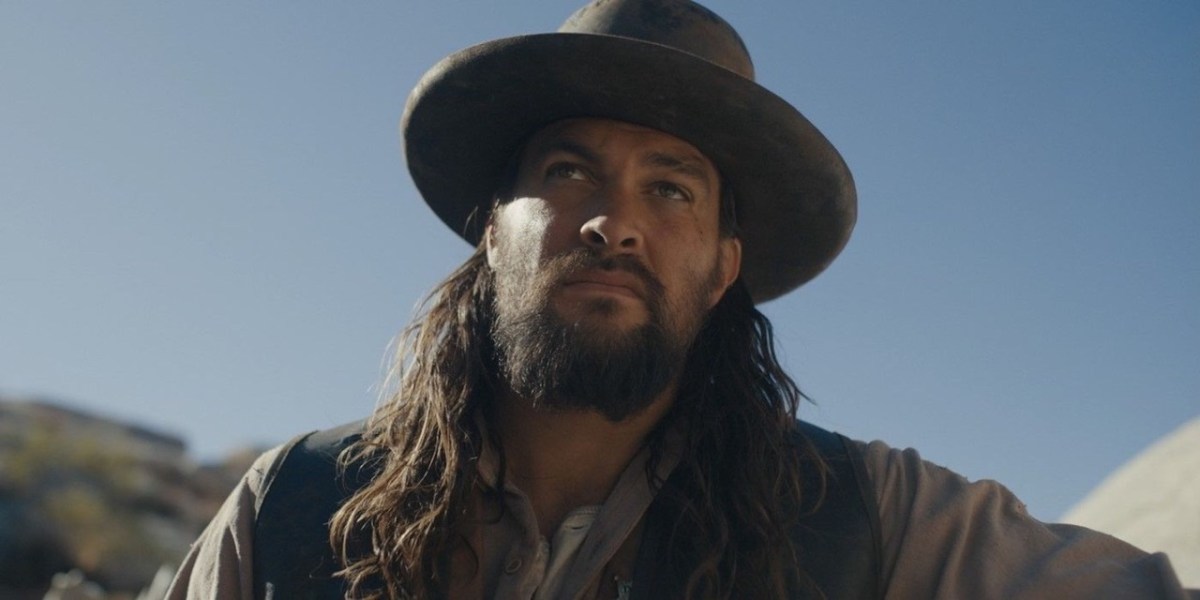
After premiering at the Pioneertown Film Festival last year, the film, “The Last Manhunt,” based on true events in the early 1900s Mojave desert, is now streaming on Showtime and other channels.
The film was produced by and features “Aquaman” star Jason Momoa, Native Hawaiian/Samoan.

In the film, Chemehuevi Willie Boy, played by Martin Sensmeier, Tlingit/Koyukon-Athabascan, and his lover Carlota, played by Momoa’s real-life cousin, Mainei Kinimaka, fall in love, despite being forbidden to be together.
When her tribal chief father refuses to give his blessing to the pair, a fatal confrontation forces the young couple to flee into the open desert with devastating consequences.
SUPPORT INDIGENOUS JOURNALISM. CONTRIBUTE TODAY.
The film features a largely Native cast, including Zahn McClarnon, Hunkpapa Lakota, as Carlota’s father; Lily Gladstone, Blackfoot, as Carlota’s mother; Raoul Trujillo, Apache, as Hyde; and Tantoo Cardinal, Cree/Métis and a Member of the Order of Canada, as Ticup. It is directed by Christian Camargo, a Mexican-American actor and director best known for his roles in “Dexter,” “House of Cards” and parts 1 and 2 of “The Twilight Saga.”

Momoa, who plays a supporting character, became fascinated by the story of the Chemehuevi desert runner Willie Boy while visiting Joshua Tree.
“The true story of Willie Boy has never been told, and it’s a beautiful one,” he said in a press statement. “I developed the story with my team because I wanted to set the record straight, and set the spirits of this story free.”
In what is the only museum exhibit devoted to the Willie Boy story, the Morongo tribe runs the small but important Malki Museum on their reservation near the Mojave. Wall displays feature original photos, maps, and news clippings about Willie Boy, the trail of the hunt through the desert, and the Willie Boy Wanted poster.
A book they sell, “Willie Boy & The Last Western Manhunt,” by Clifford Trafzer, tells the story in detail, and makes the case for Willie Boy having escaped the manhunt and living out his life in Nevada with the Paiute tribe, not caught and killed as the White manhunt posse claims with little proof of his death. The film production consulted Trafzer, a long-time researcher and scholar of California’s desert tribes.
Momoa and co-writer Pa’a Sibbett met with tribal leaders of the Twenty-Nine Palms Band of Mission Indians, a Chemehuevi people, some of whom are direct descendants of people caught up in Willie Boy’s story. They presented a script describing how Willie Boy was miscast as a savage murderer, and requested permission to adapt the story.
An earlier version of the Willie Boy story had been adapted for the screen once before, in the 1969 film, “Tell Them Willie Boy Is Here,” with Robert Blake as Willie Boy and Robert Redford as the sheriff.
DESIGN: ‘Fashion incubator’ opens in NYC
Relative Arts has opened in New York City’s East Village as of April 1, a brick-and-mortar community space, open studio and design showroom that displays “high-end contemporary Indigenous fashions and sustainable designs.”
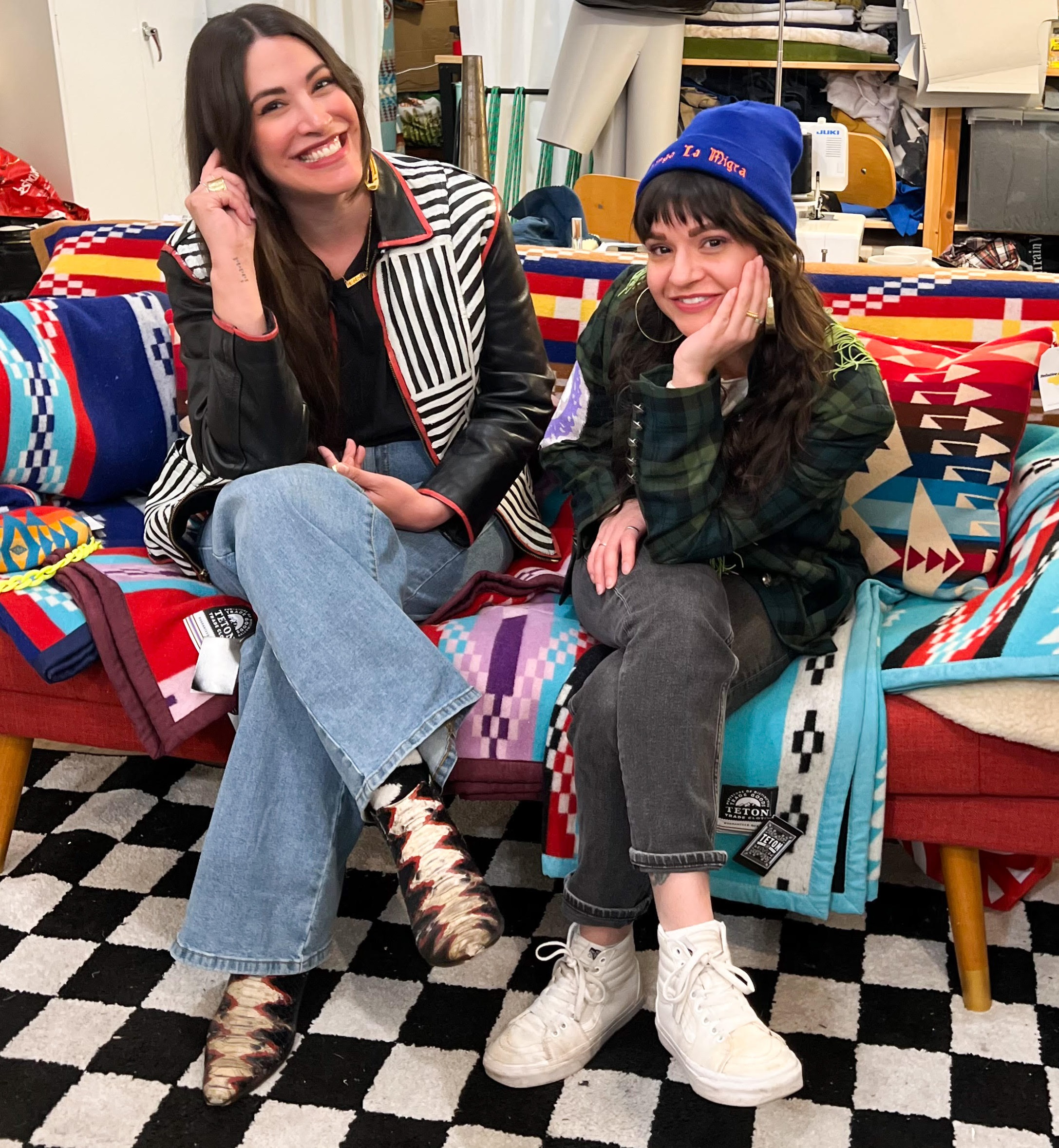
Stocked with a collection of Indigenous artists from across the U.S. and Canada, the selections include EMME Studio, Copper Canoe Woman, Quw’utsun Made, Mobilize, and more. The shop has a small in-house clothing line, along with various local artists. Relative Arts is the exclusive NYC retailer of Lenape tribe-owned Teton Trade Cloth.
“Our mission is to provide a peer-run collective space in New York City to celebrate and foster the advancement of contemporary Indigenous art and fashion through representation and education,” EMME Studio founder Korina Emmerich, Puyallup, told ICT.
Relative Arts is majority-Indigenous-owned by Emmerich, Liana Shewey, Mvskoke, and collaborator Rachel Leal. Emmerich’s interdisciplinary artwork is centered on expression, art, and culture, with a focus on social and climate justice. Her work has been featured in The Metropolitan Museum of Art, Moma PS1, Vogue, Elle, and more. She works as the creative director of Relative Arts.
Shewey is an outreach educator at the New York Historical Society and programming director at Relative Arts, and a community organizer who has led educational events, teach-ins, and speak-outs to create awareness of missing and murdered Indigenous women, the effects of fossil fuels, and Indigenous liberation.
Leal is an independent textile artist and community educator whose designs and work are
focused on sustainability. An East Village local for more than a decade, Leal has worked as an educator teaching art to children in the East Village, in TriBeCa at the Church Street School for Music and Art and through private lessons.
FESTIVALS: Houma Nation shares culture with Jazz Fest
The United Houma Nation of Louisiana returns to the New Orleans Jazz & Heritage Festival – known as Jazz Fest – with their traditional dishes and artists demonstrating crafts in the festival’s Native American Village, Folklife Village and on the Food Heritage Stage.
Jazz Fest kicks off Friday, April 28, and continues through May 7.
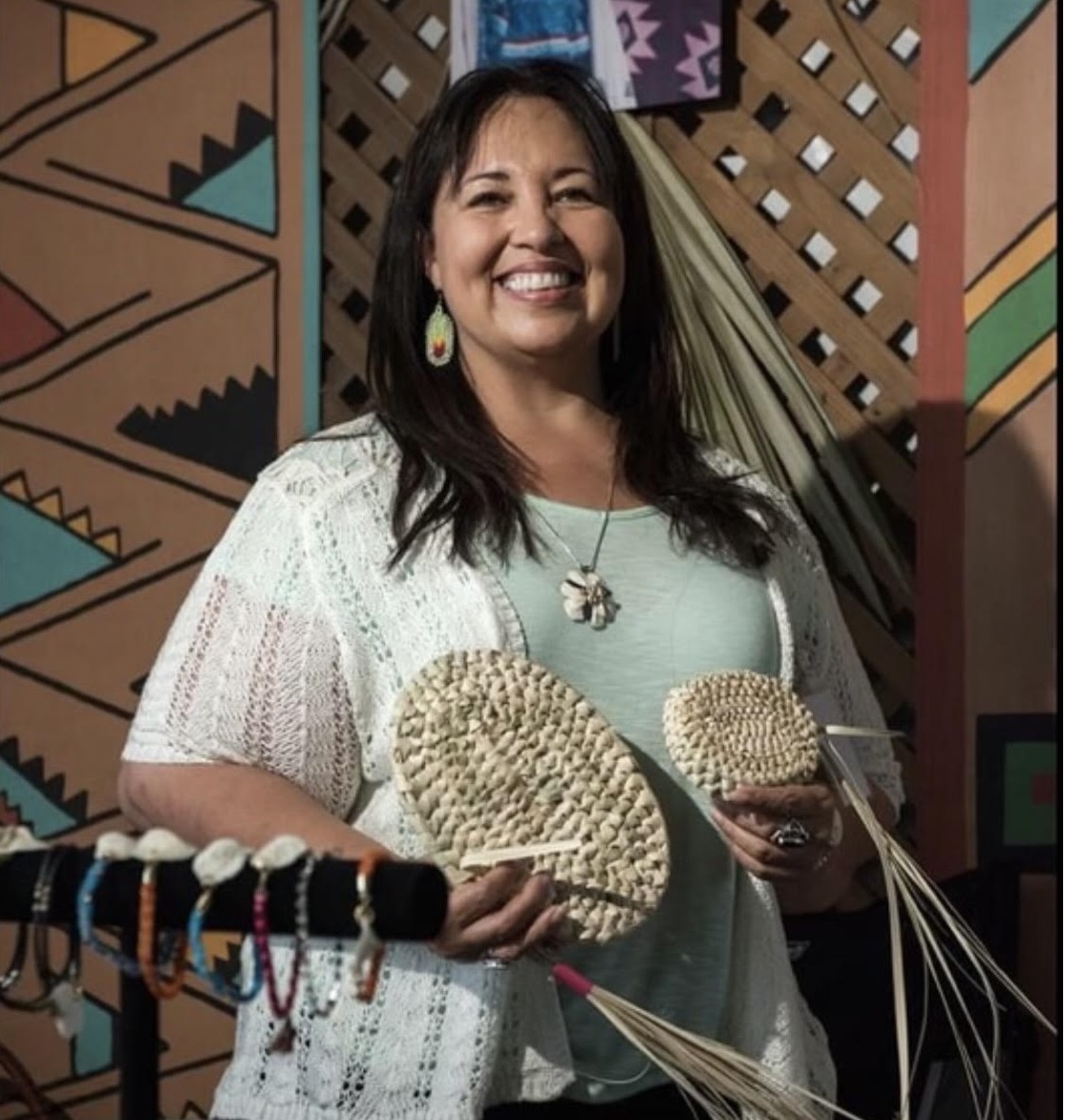
The United Houma Nation food booth will serve up fry bread and the popular Strawberry Sweet Potato Fry Bread Blossoms, as well as maque choux, an Indigenous corn dish that has become standard fare in southern Louisiana. Principal Chief Lora Ann Chaisson will demonstrate her Three Sisters dish, made with corn, beans and squash, on the Food Heritage Stage on Saturday, April 29.
Ivy Billiot and Douglas Fazzio will demonstrate woodcarving, and Grayhawk Perkins will do Houma history storytelling on Friday, April 28. New to the fest this year is the Houma Language Project team, who will provide lessons in Uma, the traditional Houma language.
Chaisson will demonstrate half-hitch coil palmetto basket weaving. Janie Luster will demonstrate basket weaving and make garfish scale jewelry. Roy and John Parfait will demonstrate woodcarving. For live music, Grayhawk Perkins and his band perform on the Lagniappe Stage at 11:30 a.m. on May 5.

Our stories are worth telling. Our stories are worth sharing. Our stories are worth your support. Contribute $5 or $10 today to help ICT carry out its critical mission. Sign up for ICT’s free newsletter.