Pauly Denetclaw
ICT
The year is ending and a new Congress with a new speaker and a new majority is just on the horizon. It was another historic, at times tumultuous, year and election cycle for Indigenous politics and policy.
During the midterm elections, 119 Indigenous people ran for state or federal office. Another 26 ran for city or county offices. Unfortunately, five did not make the ballot, they were either disqualified or withdrew.
Of those 119 candidates, 92 made it to the general election and around 70 were elected to office.
These numbers come from a database I’ve managed over the last year all while covering 22 primaries and 19 general elections. The list is not complete and just two weeks ago I added two more people. (Congratulations, Jarrod Lowery, Lumbee, who was elected to the North Carolina State House in district 47 and Sherry Gould, Nulhegan Band of Abenaki, elected to the New Hampshire State House in district 8.) So please email me at pauly@ictnews.org to be added to the list.
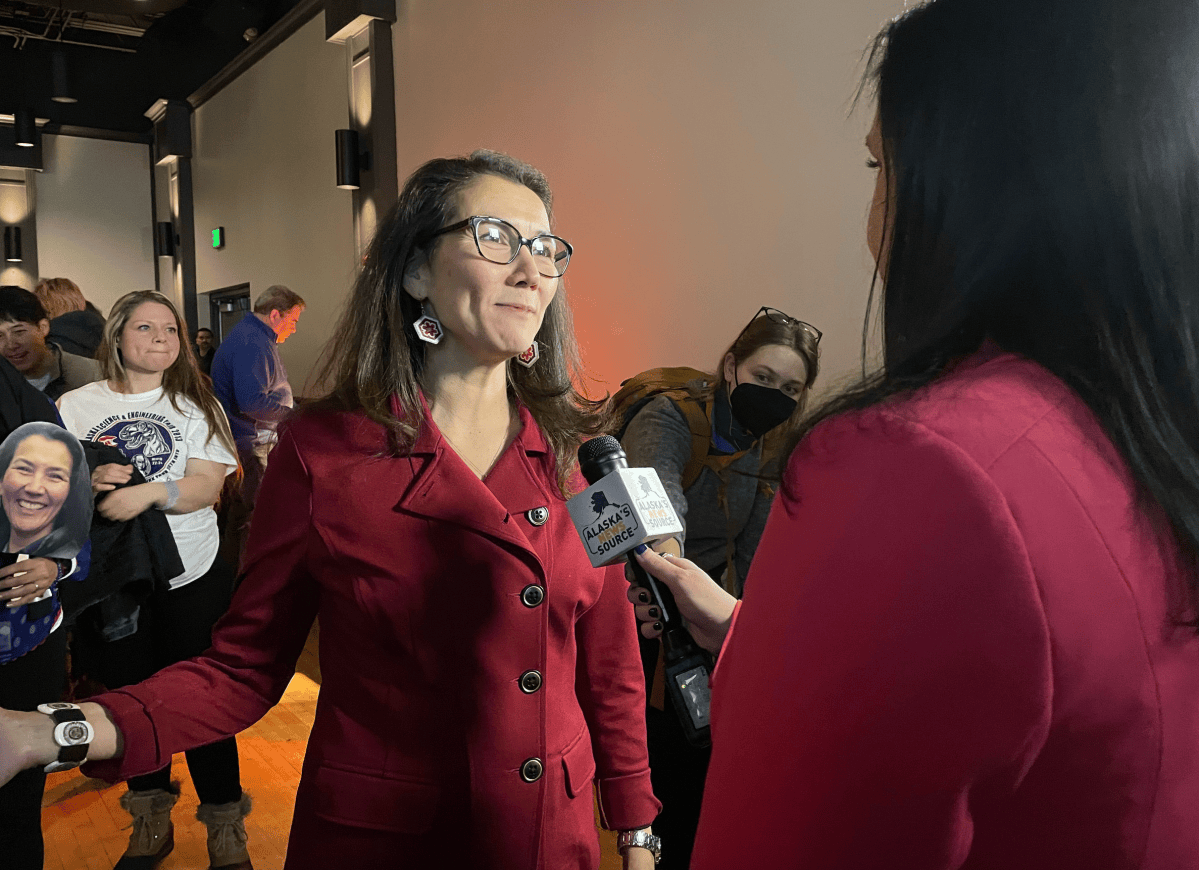
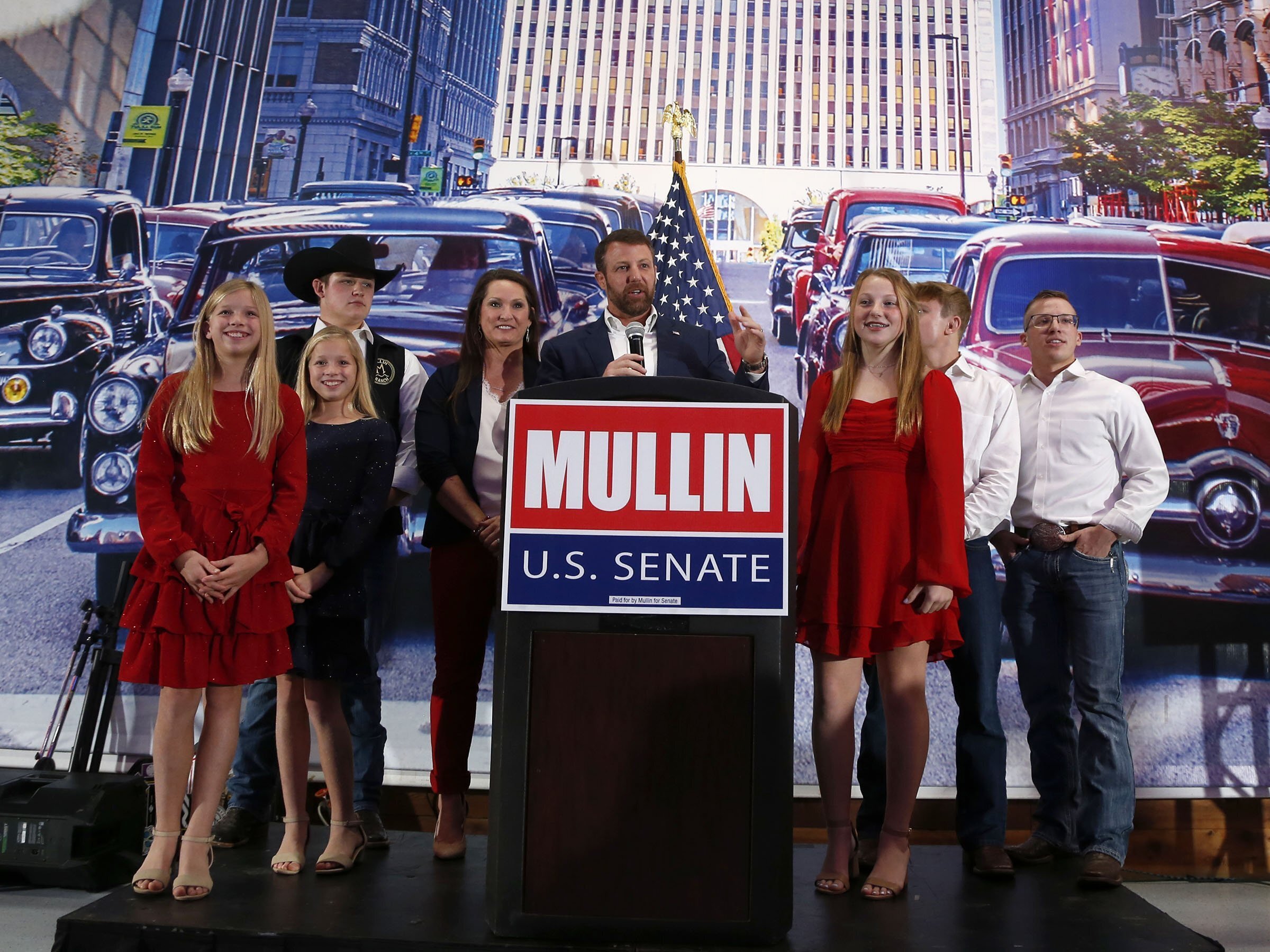
Of the 70 or so candidates elected, include Mary Peltola, Yup’ik, the first Alaska Native and the first woman elected to represent Alaska in the U.S. House and Rep. Markwayne Mullin, Cherokee, who will switch chambers, becoming the fourth Indigenous senator ever. The Senate has not had an Indigenous person since 2005 when Ben Nighthorse Campbell didn’t seek a third term.
Tom Cole was reelected to his 11th term in the U.S. House and is the longest serving Indigenous member of Congress in history. Once again, his name was being discussed as a possible compromise candidate for House Speaker but hasn’t expressed any interest in the position.
Notably, Alicia Kozlowski, Ojibwe, a Democrat representing state House 8B in Minnesota, became the first nonbinary legislator in the state’s history.
Bryan Terry, Choctaw, continues to be the lone Indigenous representative in Tennessee and was elected to his fifth term in office. Angela Romero, Fort Peck Assiniboine & Sioux Tribes, starts her sixth term in the Utah state House, where she is the only Indigenous representative. In the 2020 elections, Shea Backus, Cherokee, lost her seat in the Nevada state House but ran again in the 2022 midterm election and won. She started her second term as the sole Indigenous state representative on Nov. 9, 2022.
Oklahoma leads the nation in Indigenous representation at the state and national level with an Indigenous governor, U.S. Senator and U.S. Representative. Nine Indigenous people were elected to the state House this past midterm. Ajay Pittman, Seminole, is the lone Indigenous Democrat with the other 11 elected officials being Republicans.
Coming in a close second is Montana who elected seven Indigenous people to the state House and one in the state Senate.
This past year 12 Indigenous people ran for Congress and five were elected.
In September, two of President Joe Biden’s appointments were sworn into office. Chief Lynn Roberge-Malerba, Mohegan Tribe, is the first Native American person to be the Treasurer of the United States. Roselyn Tso, Navajo, is the head of Indian Health Service.
The first in-person White House Tribal Nations Summit since 2016 was held at the Department of Interior and Biden addressed tribal leaders touting the year’s accomplishments that included $45 billion in funding to Indigenous nations over the last two years.
This year’s federal budget also included for the first time ever an advanced appropriation for Indian Health Service, a historic move and one that’s been decades in the making.
The laws that guaranteed the right to access abortion were struck down in June by the Supreme Court. However, the Hyde amendment has long impacted Indigenous women and people who birth’s access to abortion care. Over 60 Indigenous nations were impacted by trigger laws that would ban access to abortions.
A week after the striking down of Roe v. Wade, the Supreme Court limited the scope of the historic McGirt decision. “In a 5-4 vote, the high court ruled in Oklahoma v. Castro-Huerta that the state of Oklahoma has concurrent jurisdiction and the ability to prosecute non-Natives when the victim is Native and the crime is committed on tribal land,” wrote ICT reporter Kolby KickingWoman.
During Native American Heritage Month, the Indian Child Welfare Act went before the Supreme Court in Brackeen v. Haaland, a case that directly challenges tribal sovereignty. With the current make-up of the court it’s difficult to predict which way the decision will go. The decision will come sometime in spring 2023.

Our stories are worth telling. Our stories are worth sharing. Our stories are worth your support. Contribute $5 or $10 contribution today to help Indian Country Today carry out its critical mission.