Amelia Schafer
ICT
Alligator Alcatraz, an immigrant detention center in the Florida Everglades, cannot continue to bring in new inmates and the federal government must cease construction on the facility, including removing all generators, gas, and sewage and other waste within 60 days, following a late-night preliminary injunction issued Thursday.
The ruling means the government must also remove temporary fencing and allow Miccosukee tribal citizens access to the site, consistent with treaty and lease agreements in place allowing their unrestricted access to the Everglades.
“Honestly, this is just another battle in our decades-long, centuries-long battle to make sure our presence is still out there and we still have access to it (the Everglades),” said William “Popeye” Osceola, secretary of the Miccosukee Tribe of Florida.
The 82-page ruling from U.S. District Court Judge Kathleen Williams of the Southern District of Florida marks the potential end of Alligator Alcatraz and follows proceedings from a lawsuit filed by Florida nonprofit Friends of the Everglades and the Miccosukee Tribe.
It’s unclear how the facility will remain operational with these new restrictions in place, as the changes will likely force the facility to close.
“This ruling from an activist judge ignores the fact that this land has already been developed for a decade. It is another attempt to prevent the President from fulfilling the American people’s mandate to remove the worst of the worst including gang members, murderers, pedophiles, terrorists, and rapists from our country,” Department of Homeland Security Assistant Secretary Tricia McLaughlin said in an email statement to ICT. “This activist judge doesn’t care about the invasion of our country facilitated by the Biden administration, but the American people do. We have the law, the facts, and common sense on our side.”
Department of Homeland Security representatives did not respond when asked why the department did not contact the Miccosukee Tribe about the site’s construction.
On August 7, Williams filed a temporary restraining order in the case, barring expansion at the site for 14 days while awaiting a ruling.
For advocates and land defenders like local Miccosukee tribal member Betty Osceola, who is not related to Popeye Osceola, the ruling is a significant win, but not the end.
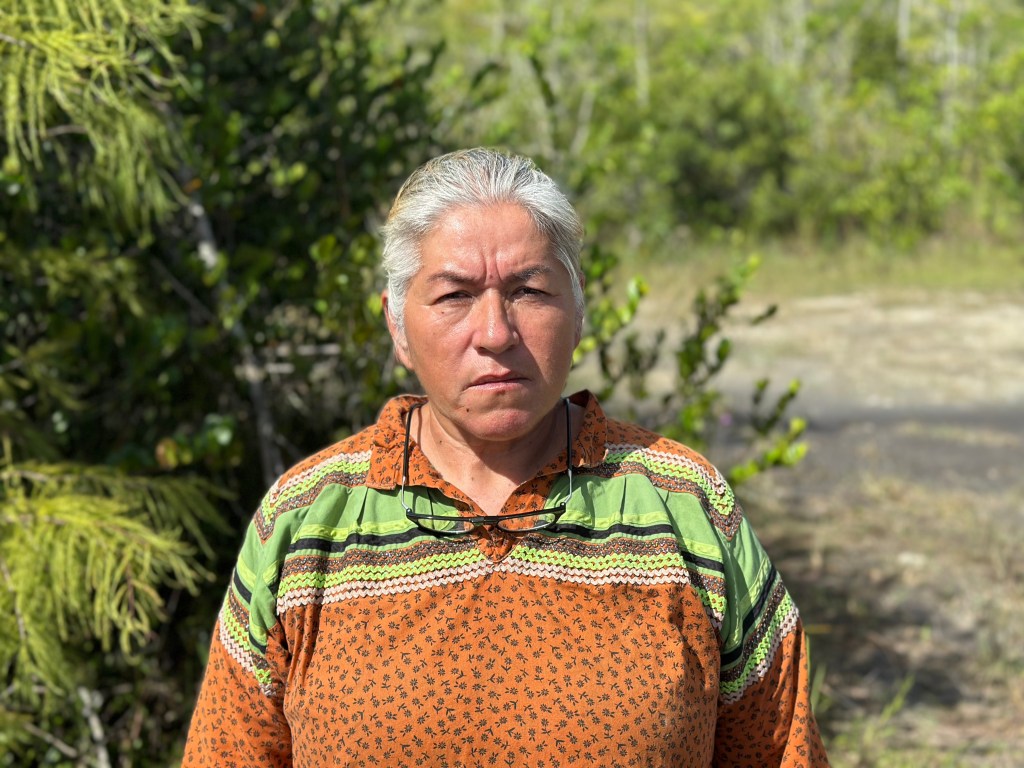
“It felt like a light at the end of the tunnel,” she said. “But the preliminary injunction means that now, more than ever, we need to make sure our documentation is on point. Anything that’s coming in, we need to get it on film and footage because we may need it later on.”
The lawsuit alleged the Department of Homeland Security and Immigrations and Customs Enforcement violated the Environmental Protection Act, National Historic Preservation Act and Administrative Procedures Act in its construction of the detention center.
The suit accused the department of failing to complete necessary environmental surveys, provide notice to nearby residents, and engage the Miccosukee Tribe as the site contains potential cultural artifacts and burial sites.
“Pretty much the only government-to-government communication we’ve been able to engage with is the courts,” Popeye Osceola said.
Betty Osceola said in July that she was concerned about light pollution from the detention center affecting endangered species in the area like the Florida panther. She said she was aware of a panther family living near the site, and was concerned the lights may distress them and other animals like the bonnetted bat.
Williams ruled on August 21 that the site’s construction did, in fact, violate the National Environmental Policy Act and was violating lease and land use agreements by prohibiting Miccosukee people from accessing their lands.
“It was starting to get really mentally exhausting (going) through this process,” Betty Osceola said. “But after hearing the news last night I felt rejuvenated and energized and hopeful that the Everglades is going to get the protection that it needs.”
Protecting the Everglades is nothing new to the Miccosukee, and the tribe is prepared to continue to fight through the courts, Popeye Osceola said. The tribe is anticipating the Department of Homeland Security to file an appeal.
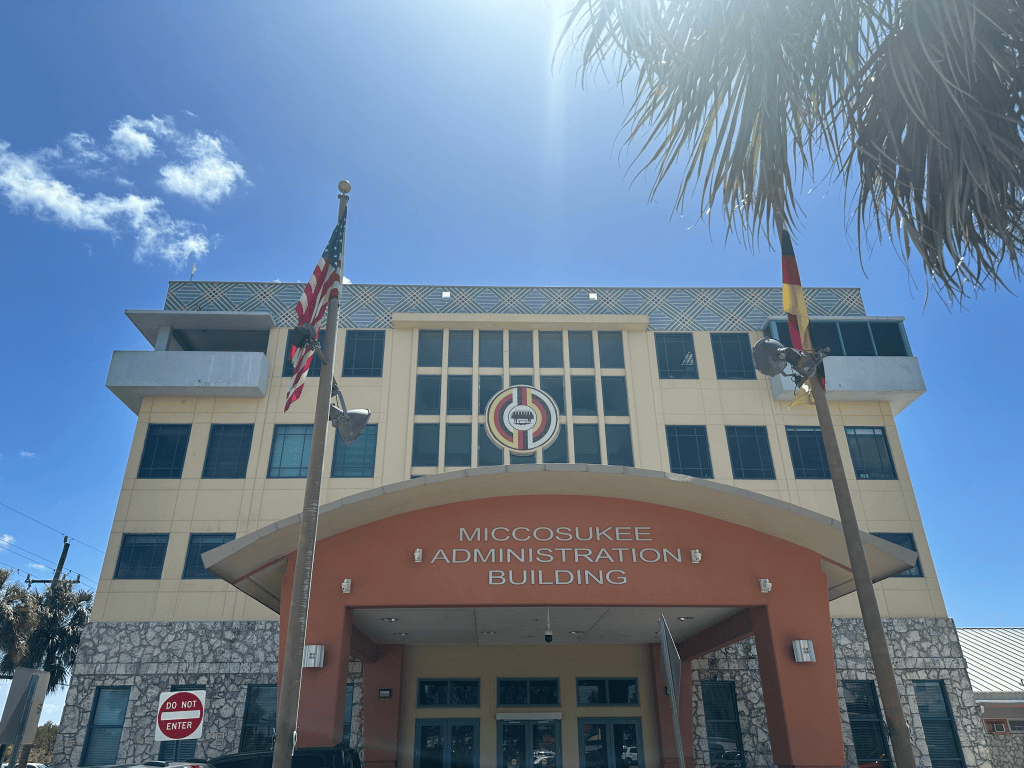
With new detention centers unveiled in places like Indiana, Minnesota and Nebraska, he said, his advice to tribes is “lawyer up.”
“Reach out to your communities, build a coalition and you have to accept the fact that this is not our system,” he said. “We just have to learn to navigate it and work with the people who run it.”