
Amelia Schafer
ICT
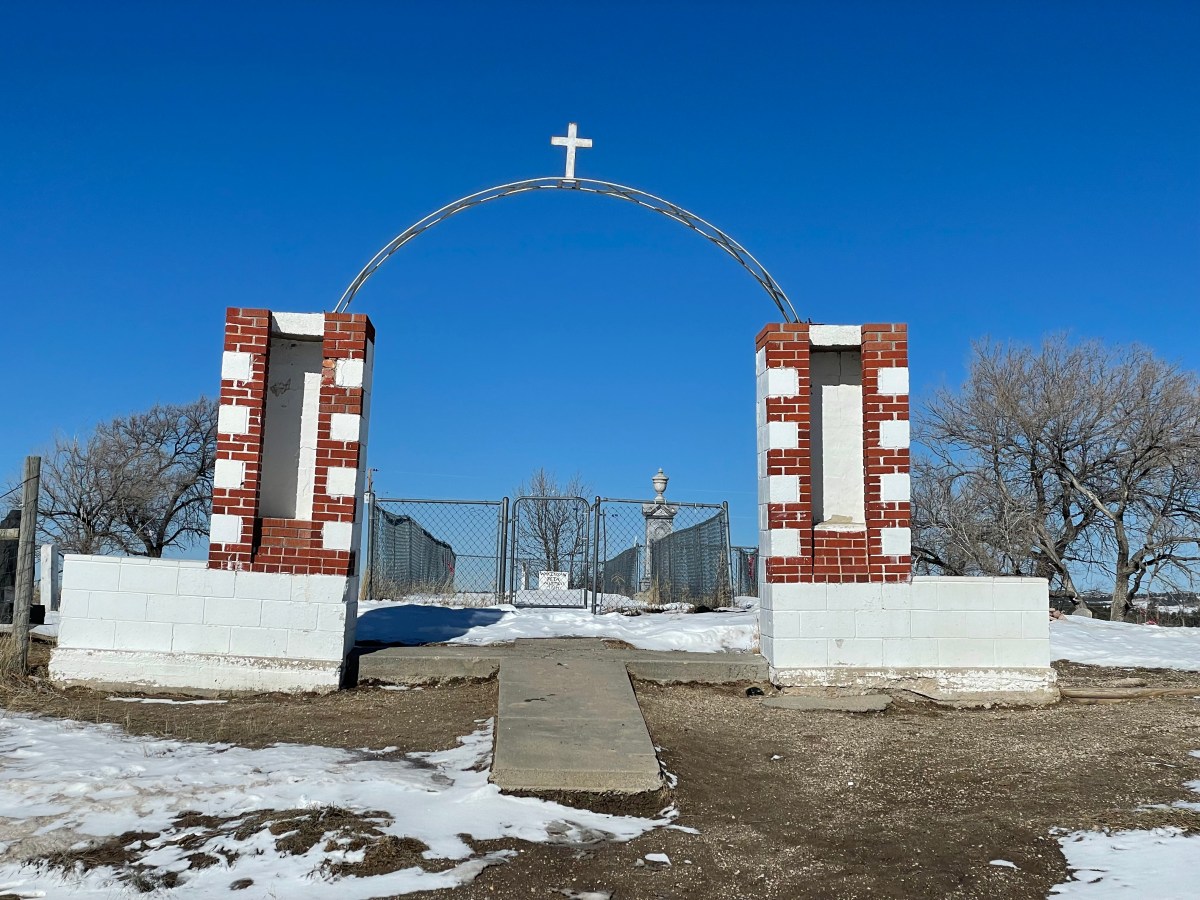
RAPID CITY, South Dakota – Medals of Honor granted to 20 soldiers who participated in the Wounded Knee Massacre of 1890 will not be revoked, Department of Defense Secretary Pete Hegseth announced in a post on X on Sept. 25.
In July 2024, the Department of Defense’s Office of the Undersecretary of Defense announced it had convened a special review panel to conduct an assessment based on standards in effect during that period. Medals of Honor are considered the nation’s highest honor.
Hegseth said the panel concluded that the soldiers should keep their medals, and stated the report was concluded in October 2024.
“Despite this clear recommendation, former Secretary Lloyd Austin for whatever reason, I think we know he was more interested in being politically correct than historically correct, chose not to make a final decision,” Hegseth said in a video on X.
Over 300 Mniconju Lakota people were killed at the Wounded Knee Massacre, which Hegseth referred to as the Battle of Wounded Knee. Those killed included women, children and elders all of whom were slaughtered by the United States military on Dec. 29, 1890 on the Pine Ridge Reservation in Western South Dakota.
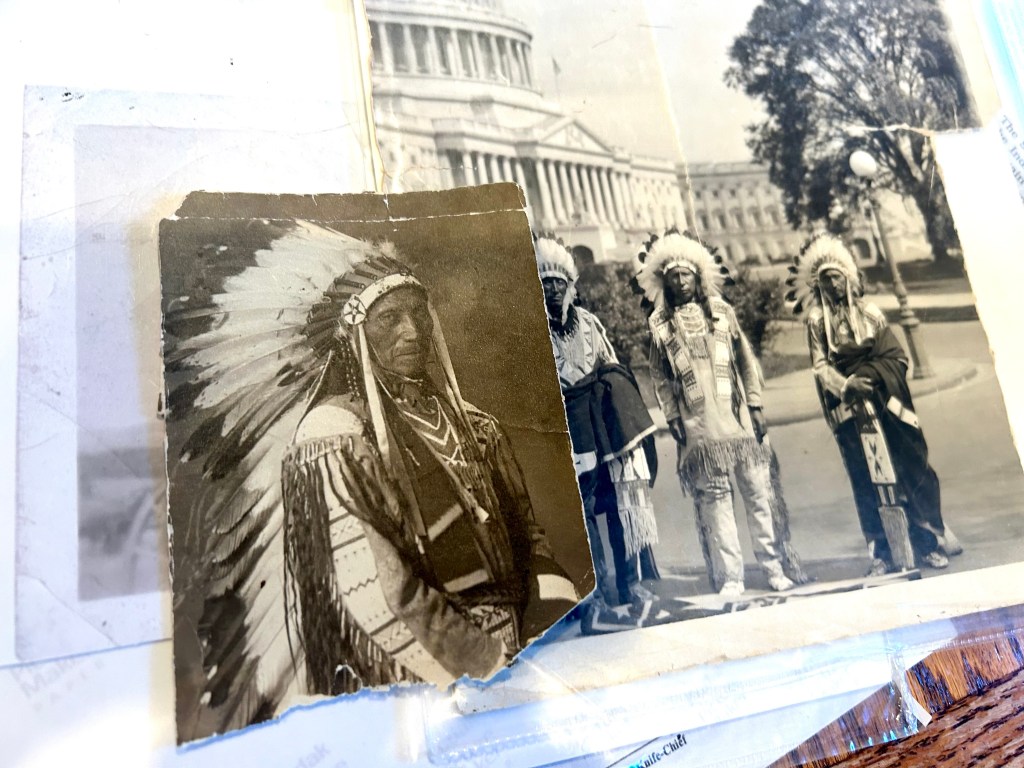
The group of Mniconju were camped by Wounded Knee creek following a move from Cheyenne River seeking relief from starvation and Sitting Bull’s death. In Wounded Knee, the group was approached by hundreds of Army soldiers. Reports indicate that the group began to perform a Ghost Dance ceremony, after which a shot rang out and chaos ensued.
“Under my direction, we’re making it clear without hesitation that the soldiers who fought in the battle of Wounded Knee in 1890 will keep their medal,” Hegseth said. “And we’re making it clear that they deserve those medals. This decision is now final and their place in our nation’s history is no longer up for debate.”
The massacre was condemned in 1890 by many, including Maj. Gen. Nelson Miles, who led the Division of the Missouri which included soldiers responsible for the incident. Miles referred to the massacre as: “the most abominable military blunder and a horrible massacre of women and children.”

