
Stewart Huntington
ICT
The Winnebago Tribe of Nebraska is much closer to bringing Samuel Gilbert and Edward Hensley home.
The tribe filed a federal lawsuit in 2024 against the U.S. Army demanding the return of the two boys, who died at the Carlisle Indian Industrial School in Pennsylvania more than a century ago.
On Thursday, the Fourth Circuit Court of Appeals reversed an earlier ruling from Claude S. Hilton, a judge for the U.S. District Court for the Eastern District of Virginia. The federal court found that the federal Native American Graves Protection and Repatriation Act, or NAGPRA, applies in the case and that the tribe is entitled to retrieve the boys’ remains and honor them according to its customs and practices.
“The Fourth Circuit’s ruling brings joy to the tribe,” said Winnebago Chairman Coly Brown in a statement. “NAGPRA is an important statute our relatives fought for.”
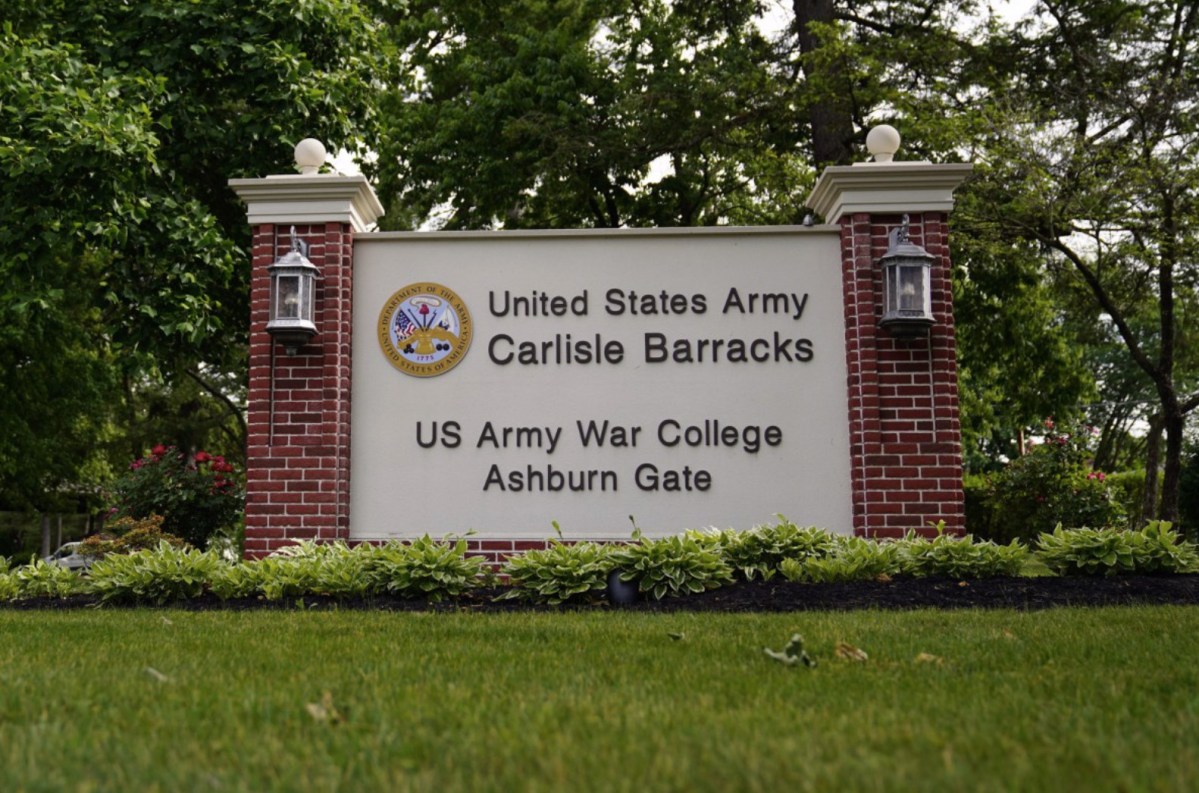
The suit came after the tribe received notice in December 2023 that the U.S. Office of Army Cemeteries had denied the tribe’s request for the remains to be returned under NAGPRA. The Army took over the school after it was closed in 1918 and asserted that only relatives could seek the return of students’ remains, according to the Army’s protocols. Tribes, including the Winnebago, have disagreed.
The federal court’s two-to-one ruling Thursday directed the case be returned to the lower court “for further proceedings consistent with this opinion.”
Writing for the majority, federal appellate court judge Pamela Ann Harris wrote, “At the end of the day, the U.S. government kept and buried the remains of two Native American schoolchildren, Samuel Gilbert and Edward Hensley, without their families’ or tribe’s consent after forcing them from their homes and after they died in the government’s care. Nearly a century later, Congress passed a statute that, by its terms, entitles their tribe finally to bring their remains home and to bury them according to their tribal and religious traditions.”
Harris continued, “All signs indicate that the Tribe’s repatriation request is precisely the kind of remedy of historic wrongs that NAGPRA was designed to facilitate.”
Only Judge Allison Jones Rushing dissented.
Native leaders hailed the ruling.
“This is a step forward,” said Ponka-We Victors-Cozad, Tohono O’odham and southern Ponca, director of policy and advocacy for the Native American Boarding School Healing Coalition. “We are very happy for the Winnebago Tribe to get those boys home. Even if it’s more than 100 years. We have not forgotten.”
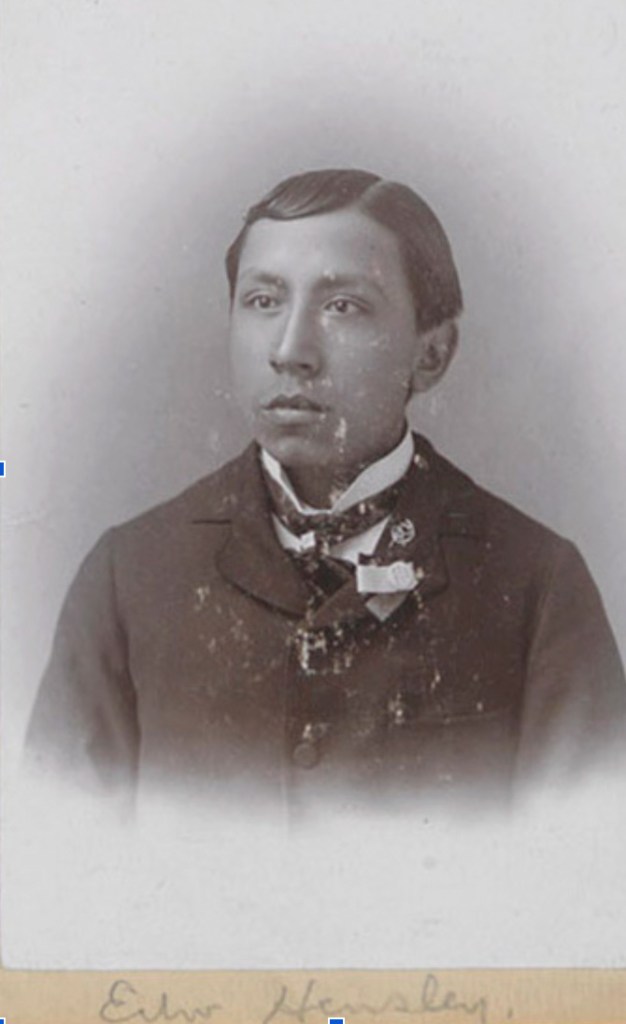
The two boys were taken from their Nebraska homes and shipped to the notorious Carlisle Indian Industrial School, the flagship institution of the U.S. government’s failed boarding school experiment, which sought to strip Native children of their lifeways and assimilate them into the dominant society.
The boys arrived together at Carlisle on Sept. 7, 1895, and were expected to remain at the school for five years each.
Gilbert, who was 19, died about six weeks later, on Oct. 24, 1895, of what school officials said was pneumonia. Hensley, 17, stayed for almost four years, mostly working off-site for local families, known as “patrons,” before he also died of pneumonia on June 29, 1899, according to school archives.
Both boys are buried in marked graves in the school cemetery, which the Army now manages.
“Winnebago’s lawsuit demonstrates its commitment to honor its ancestors and its children. Winnebago continues to advocate for its rights under NAGPRA to bring Samuel and Edward home and provide them with the Tribal burials they were denied over 125 years ago,” said Beth Margaret Wright, Laguna Pueblo and a staff attorney for the Native American Rights Fund, which is representing the tribe in the suit. “The Fourth Circuit recognized that Congress enacted NAGPRA as a remedy for this ‘shameful injustice.’”
“This is an extraordinarily important decision not only for the Winnebago Tribe, but for tribal nations across the country seeking to ensure that federal agencies finally comply with the laws enacted to help address the profound and multigenerational trauma inflicted by the federal Indian boarding school system,” said Greg Werkheiser of Cultural Heritage Partners, co-counsel for the tribe.
At least 177 other children died and were buried at Carlisle before the U.S. government shut down the school, which was plagued by reports of children’s deaths, physical and emotional abuse, and rampant financial corruption.
U.S. Army Office of Cemeteries officials did not immediately return ICT’s calls and emails.

