Sandra Hale Schulman
Special to ICT
It’s a big business and getting bigger. From coast to coast, the adobe dwellings, herds of buffalo, majestic carved totems, pulsating powwows, dark sky viewing, pre-contact Native food and vibrant fashion lure visitors to explore Native America’s rich culture.
But how to learn of all these far-flung treasures? And just how big a business is it?
A first-ever study, the Economic Impact of U.S. Indigenous Tourism Businesses, found staggering numbers, in the billions of dollars, generated in local economies by Native tourism, according to Sherry L. Rupert, Paiute/Washoe, CEO of the American Indian Alaska Native Tourism Association, or AIANTA.
Data culled from the 2019 U.S. Census found Native tourism generated $15.7 billion to the U.S. economy, but they dropped to $11.6 million in 2020 because of the COVID-19 pandemic. The association is working to update the numbers now that the pandemic has subsided.
“We’re hearing from our members and others across the industry the increased demand for Indigenous tourism,” Rupert told ICT. “The National Parks are at overcapacity and many of our Native communities are at those gateways. We work with the parks to drive those visitors to our communities, and to spend their dollars in our communities as well.”
Culture and communities
In response to demand, particularly among international visitors to the U.S., the association started a consumer website, NativeAmerica.travel, to provide details about traveling to Native communities.
“A lot of people out in the world are very interested in learning more about our culture and our people, but not understanding how to find us, even to the point of not even knowing if they were welcome in our communities,” Rupert said. “That’s why we decided to establish NativeAmerica.travel, so it could be a one-stop shop for visitors that are coming to the United States and want to participate in learning more about our culture and our communities.”
Rupert says that one in four of the Indigenous-owned hospitality businesses are tourism-related. There are over 133,000 in the hospitality industry. It follows that tribes would step up and provide a unique kind of accommodation for their attractions, including golf courses.
“Our largest market is the international market,” Rupert said. “And many of those people aren’t into casinos or into gaming, but what we’re trying to do is connect gaming to cultural aspects within their community. If a tribe is fortunate enough to have a gaming resort, we’re seeing many of those resorts cater more towards families, having large pools and other water features plus a museum. The Choctaw in Oklahoma, not only has an amazing casino resort, but they also have a cultural center museum just across the road from them.”
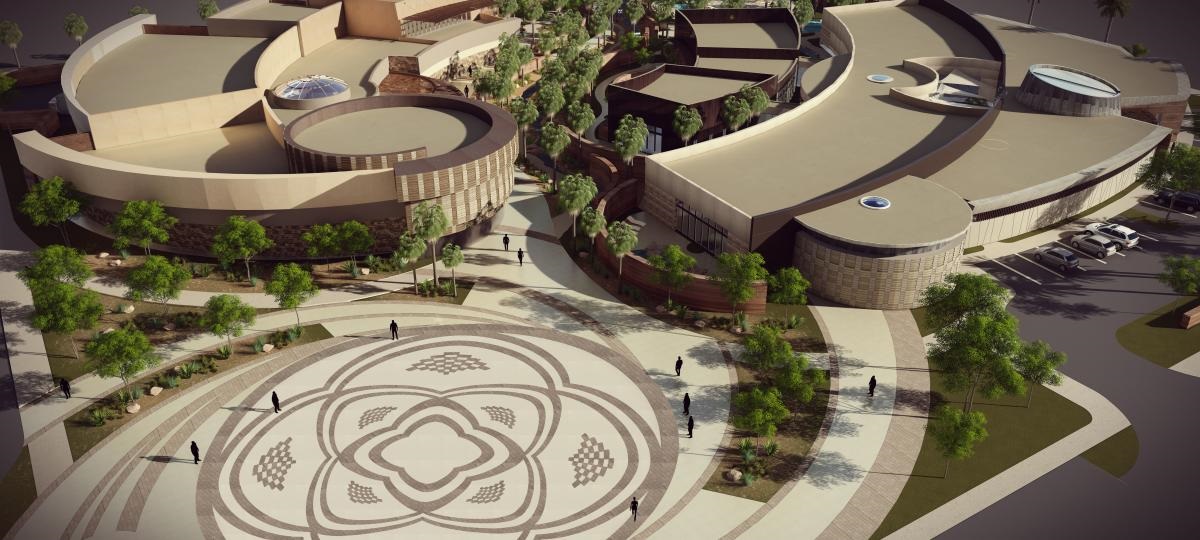
Other tribes that have built on the reservation museum connection to a casino/resort the Cherokee in North Carolina, the Seminole in Hollywood, Florida, the San Manuel Tribe in Highland, California, and the Agua Caliente in Palm Springs, California, who invested heavily in a spa that draws from the original spring the tribe thrived on. The spa has drawn over a million visitors since the opening.
“The opening of The Spa at Séc-he is a defining moment for the tribe,” Agua Caliente Chairman Reid D. Milanovich said in a statement. “The hot spring water means everything to us. It’s at the heart of tribal life and has been a cultural resource for us and our ancestors for thousands of years. It’s not a myth; these waters are truly healing waters.“
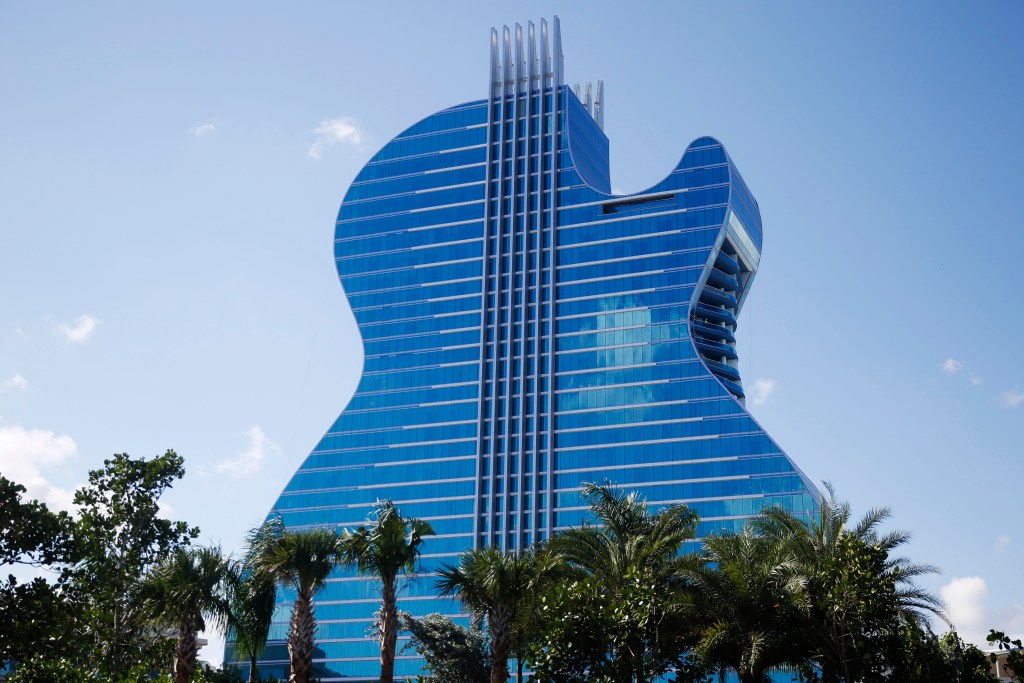
The Seminoles have been sharing their traditions with Florida tourists for over a century as an unconquered tribe. The tribe operates the $8 billion Hard Rock enterprise across the world, with luxury hotels, casinos, restaurants, bars, spas, branded merchandise, live entertainment, theaters, and recently, sports betting. But tourists to Florida can also visit Seminole artisans at the Ah-Tah-Thi-Ki Museum in the recreated village modeled after tourist camps of the early 20th century.
“The economy of the Seminole Tribe of today looks much different than it did even a handful of decades ago,” wrote Deanna Butler on the tribe’s website about trade and tourism as acts of resistance and survival.
“While many things have stayed consistent, such as cattle, farming, and crafting, other new additions have diversified the economic portfolio and cemented the Tribe as a financial and business powerhouse,” she wrote. “Bingo halls and casinos are one of these incredible economies that have transformed not only the Seminole Tribe of Florida, but Indian Country as a whole.”
Jim Shore, the Seminole Tribe of Florida’s general legal counsel, told ICT this summer that the tribe took charge of its own opportunities.
“If you wait for the federal government to plan your destiny, you’ll have to wait a long time,” Shore said. “You have to use your imagination and take risks, and that is what the Seminoles claim to fame is – being able to take risks on business opportunities.”
Casinos, of course, generate their own revenue. The National Indian Gaming Association reports gaming alone generated $41.9 billion in 2024.
From fashion to food
Where does Rupert see the most popular and trending areas for tourism?
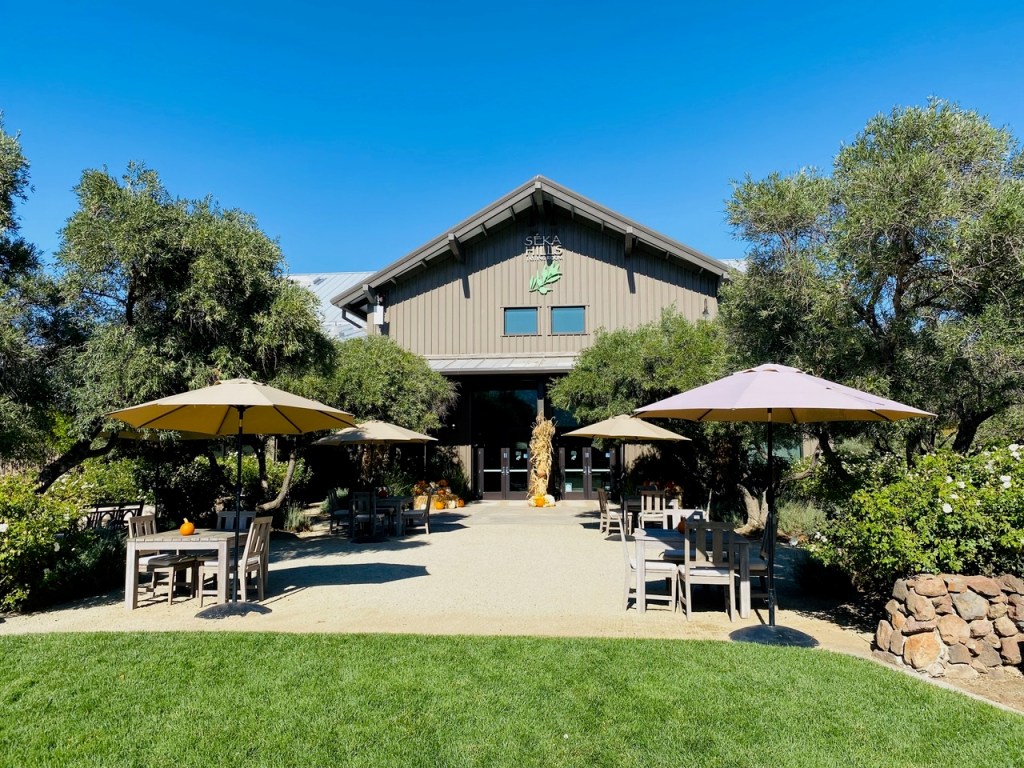
“The culinary and agritourism are areas that are growing,” Rupert said. “We’re seeing more and more Indigenous-owned restaurants and food trucks across the nation, utilizing some of our traditional foods in contemporary dishes.”
Native food eateries can be found in Minneapolis at Owamni, Scottsdale at the Frybread Lounge, Denver at Tocabe, and Washington, D.C. in the Native food court at the National Museum of the American Indian.
“Another area, I think, that is kind of new and exciting and a great opportunity for our communities is the dark skies,” Rupert said. “Many of our tribes and communities are in very rural areas where the stars and planets can be seen brightly. Tours focus on observing, learning about constellations and photographing the night skies. It’s unique and fascinating.”
Along with cultural sights is a rise in interest in Native fashion. The recent Native Fashion Week in Santa Fe in May brought in dozens of Indigenous designers who unveiled close to 1,000 original looks on over 200 Indigenous models. More than 10,000 people attended at both the Santa Fe Railyard and the Convention Center. Star models included Navajo weaver Naiomi Glasses, “Dark Winds” actors Kiowa Gordon and Jessica Matten, and former Secretary of the Interior Deb Haaland. The shows were covered by Vogue, Forbes, Native Max, Native American Art Magazine, and of course, ICT.
“There is a lot more interest in the fashion industry with our Indigenous designers and all of the beautiful patterns and designs that are coming out of that,” Rupert said. “I know I wear a lot of Indigenous jewelry and now contemporary clothing. I think it really sets us apart.”
There’s also a growing interest in so-called “slow tourism,” a mindful and sustainable approach to travel that emphasizes deeper connections with cultures, environments, and communities. Travelers to slow down, spend more time in fewer places, and engage with destinations in a more meaningful way, rather than rushing through tourist attractions.
Looking ahead
A recent project Rupert is proud of is a travel guide along the Juan Batista de Anza Trail, which goes from Mexico through Arizona, up to San Francisco, a five-year project in partnership with the National Park Service. The guide has Indigenous place name maps of Arizona, Southern California and Northern California that she worked with 60 tribes to acquire. Tribes are now adding signage with Indigenous names along with English on the trails to teach their language.
“It has not only information on each of the tribes along the Juan Batista de Anza Trail, but their businesses, the contact information, and their relationship to that particular trail, because many of these national historic trails were the first trade routes,” Rupert said.
The changes appeal to a new group of tourists.
“All these trails were trails that were here before, and most trails throughout American Indian country that people are using now for slow tourism, were our trails, wherever you go,” said Judi Gaiashkibos, Ponca, the executive director for the Nebraska Commission on Indian Affairs. She said the deed to the Chief Standing Bear Trail now belongs to the Ponca, and educational kiosks and signs along the route help tell their history. Gaiashkibos hopes to attract travelers “to come hear new stories, to slow their lives down and to be connected to the land.”
Rupert said interest continues to grow in Native America.
“I always say that our international visitors know so much more about our Indigenous people here in the U.S. and our culture than the Americans that live here,” she said. “After COVID, people are looking for that authentic, unique experience and what could be more authentic and unique than the Indigenous people that are here in this country?”