Help ICT make strides in 2024. Our goal is to raise $150,000 by the end of the year with generous contributions from funding partners and collaborators like you. We’re thankful for your support, and we’re thriving because of it. DONATE TODAY!
Dalton Walker
ICT
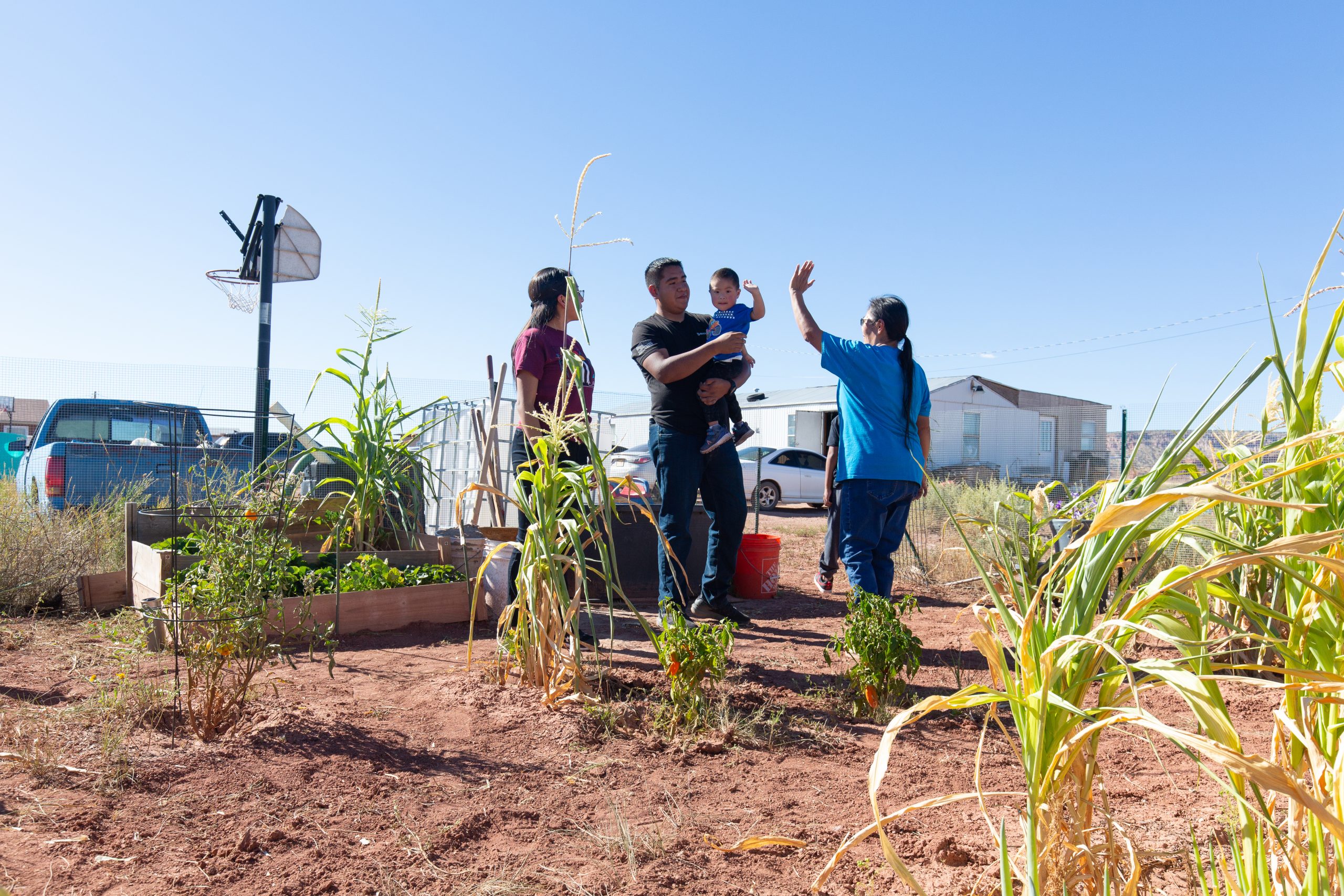
The start of COVID-19 pandemic in 2020 shut down any plans for an in-person Zuni Pueblo community garden in New Mexico. The Zuni Youth Enrichment Project found a way that spring to bring the garden to the community.
The youth enrichment project partnered with the Zuni Agricultural Committee to create and distribute gardening kits and rain barrels to dozens of families stuck in their homes as a way of reintroducing traditional gardening practices and providing critical resources.
“Coming together is one of Zuni’s strengths so to be stripped of the ability to do that was new territory for everybody,” said Joe Claunch with the Zuni Youth Enrichment Project.
“That project, that initiative was really well received. We saw a 400 percent increase in the number of people that were gardening from the first year of COVID compared to prior to COVID. We always struggled with our community garden program unless we were bussing kids to our gardens, people were not participating. Then we were seeing gardens everywhere throughout the community.”
That effort by the Zuni Pueblo and many efforts like it were awarded Thursday by a well-known foundation.

The Robert Wood Johnson Foundation announced its 2023 Culture of Health prize winners on Thursday and the list of nine featured Zuni Pueblo and the Fond du Lac Band of Lake Superior Chippewa in Minnesota. The Culture of Health prize celebrates communities collaborating to build solutions to barriers that have created unequal opportunities for health and wellbeing. It includes $250,000.
“When a community is entrusted with leaning into their strengths and culture, amazing things can happen,” said Tahlia Natachu, Zuni Youth Enrichment Project executive director. “We saw that with our own eyes through the various initiatives ZYEP and Zuni collaborated on. We hope that this prize will elevate our story and allow other communities to see that they can also accomplish wellness and health through the teachings of our ancestors. We must return to our roots.”
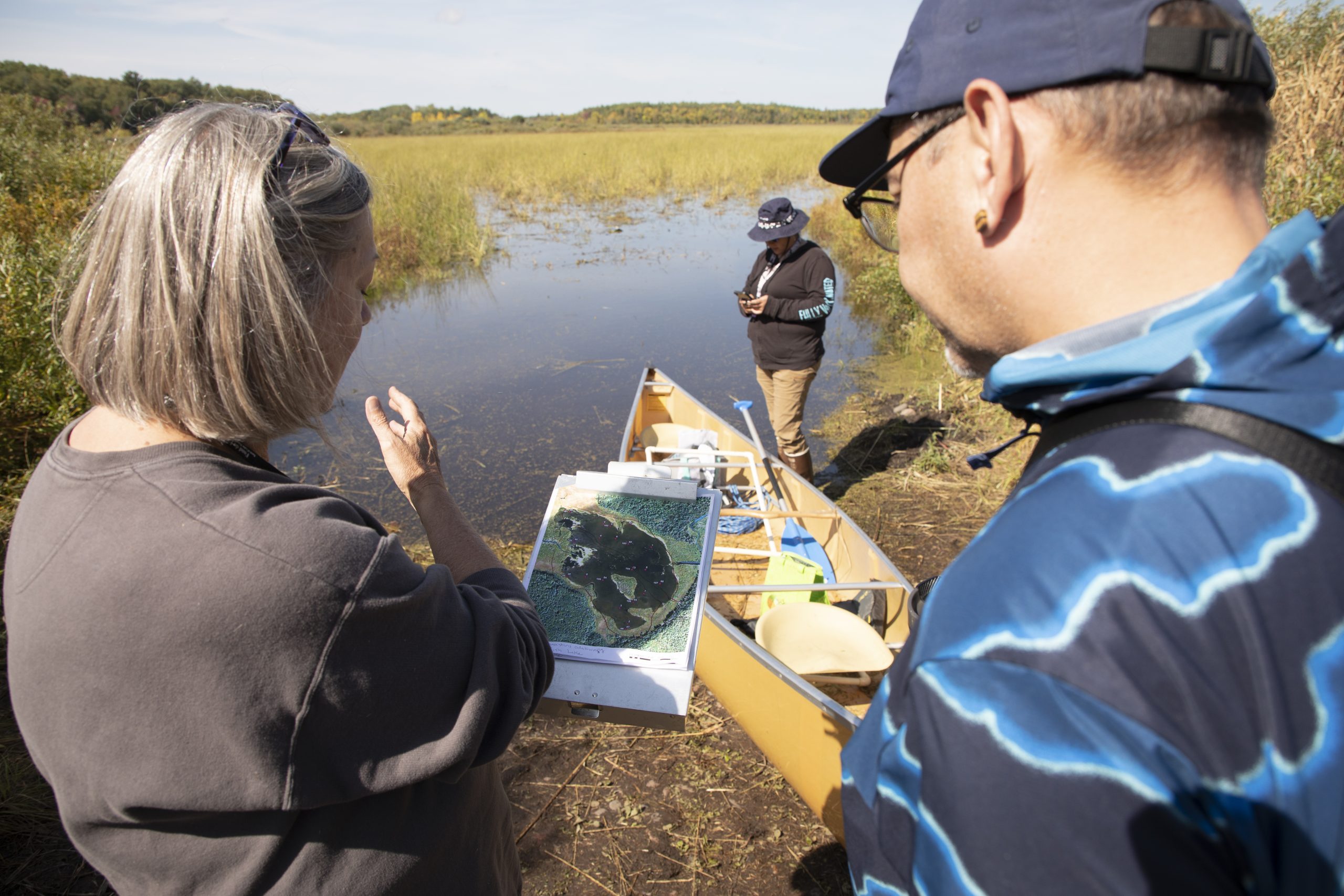
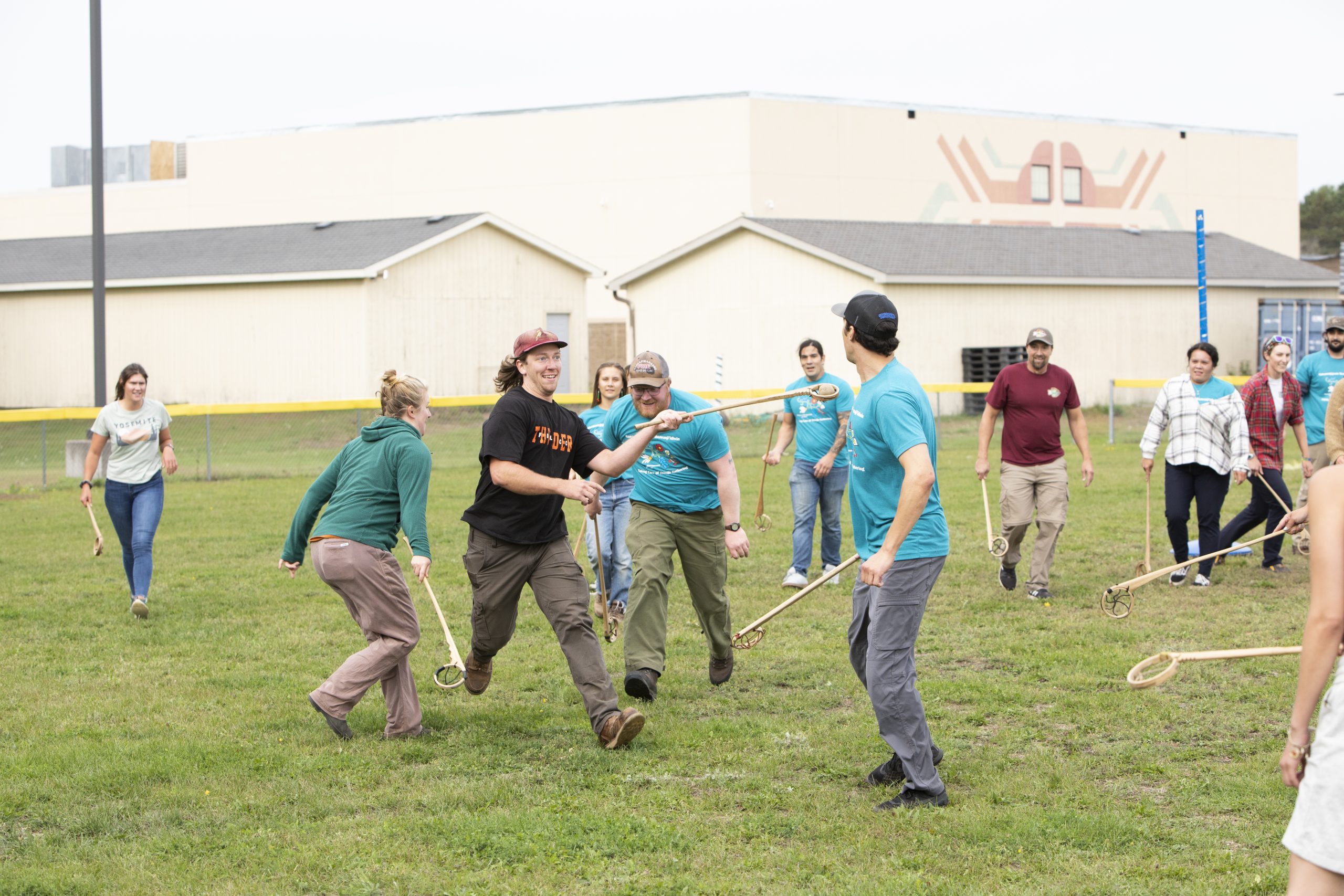
The Fond du Lac Band was recognized for its work to bring back traditional ways of living. Multiple programs and citizens have been collaborating on cultural practices like food sovereignty and language revitalization and preservation.
Naawakwe is one of them. He’s the band’s Ojibwe language project manager.
“The concept of collaboration, and sort of interdependence, to me, is something we’ve always had as an Ojibwe community,” Naawakwe said, “and maybe some of that has gone away over the years of assimilation and forced acculturation, things like that. But, we hope to bring that back and we know that collaboration is an important part of building a strong community.”
The prize money will continue these efforts, he said.
SUPPORT INDIGENOUS JOURNALISM. CONTRIBUTE TODAY.
The foundation champions itself on improving health and health equity. It was formed in 1936 by Robert Wood Johnson II, then called the Johnson New Brunswick Foundation, and in 1972 became the foundation it is known as today.
Other 2023 winners are Houston, Texas; Los Angeles County; Ramsey County, Minnesota; Tacoma, Washington; Austin, Texas; Baltimore, Maryland and Detroit, Michigan.
“This year’s winners demonstrate what’s possible when we work in partnership and ensure that community members with lived experience take the lead to identify and dismantle barriers to health and wellbeing,” Julie Morita, executive vice president of the foundation, said in a written statement.
Here is what the foundation wrote about Zuni and Fond du Lac winners:
- “Members of the Fond du Lac Band of Lake Superior Chippewa have built collaborative strategies that bring back traditional ways of living that have been with them forever, but were dormant or taken away because of colonial and racist oppression. For example, after advocating for the legalization of their language, traditional games, and other cultural practices, the band has revitalized the Ojibwe way of life throughout the community. Members developed a robust food system based on cultural practices; and successfully brought about public health-driven policies and programs related to mitigating smoking, youth detention, and incarceration.”
- “For Zuni Pueblo, fostering a Culture of Health centers on reclaiming sovereignty by reintroducing centuries-old farming practices and working across generations to preserve language and cultural practices. Because partners have focused their work on language and culture reclamation, they have been able to uplift culture as an avenue for achieving community health. At the center of it all is Zuni’s deeply unifying approach. The Zuni Youth Enrichment Project collectively addresses issues such as food sovereignty, community education, cultural preservation, sustainable agriculture and gardening, and water conservation. For example, during the COVID-19 pandemic, partners worked together with the Zuni Agricultural Committee to create and distribute gardening and rain harvesting kits to over 500 families, reintroducing traditional gardening practices and providing critical resources.”

Like this story? Support our work with a $5 or $10 contribution today. Contribute to the nonprofit ICT. Sign up for ICT’s free newsletter.