
Kalle Benallie
ICT
ALBUQUERQUE — Seventeen-year-old Cheyenne Anderson has a mission of advancing accessibility and representation, through art, to bigger audiences.
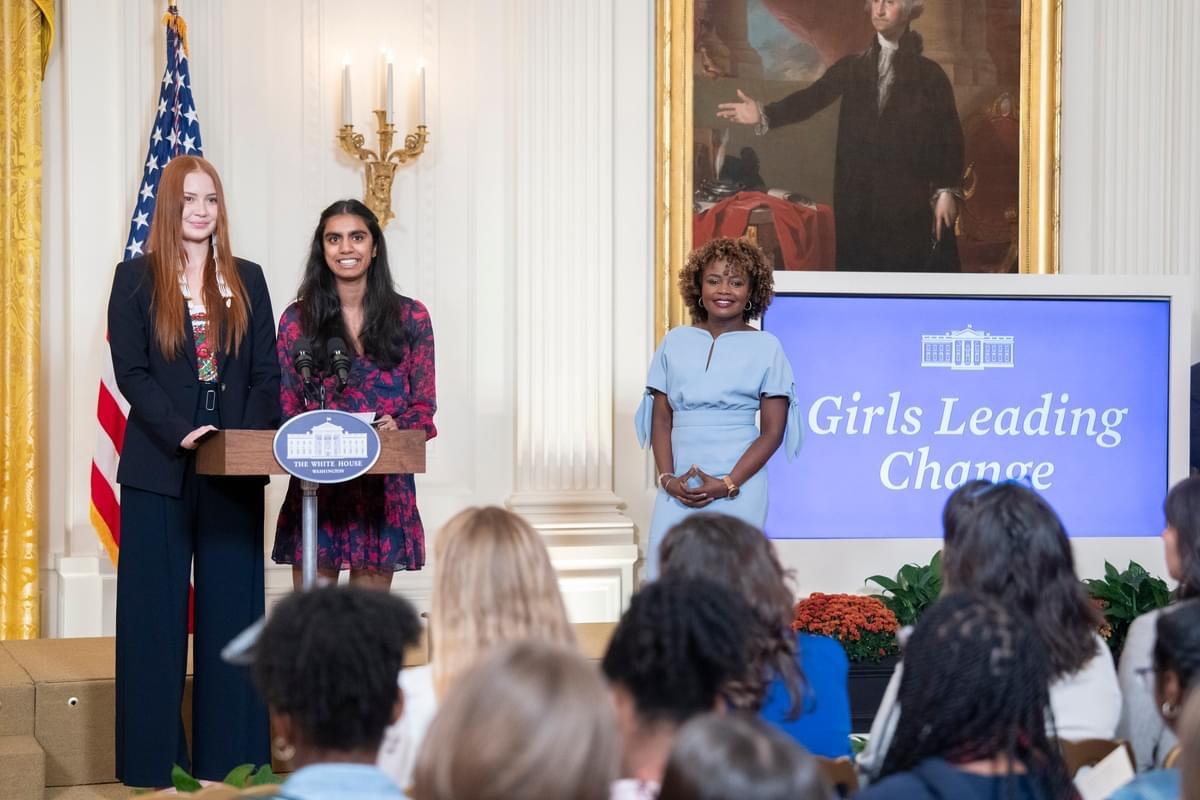
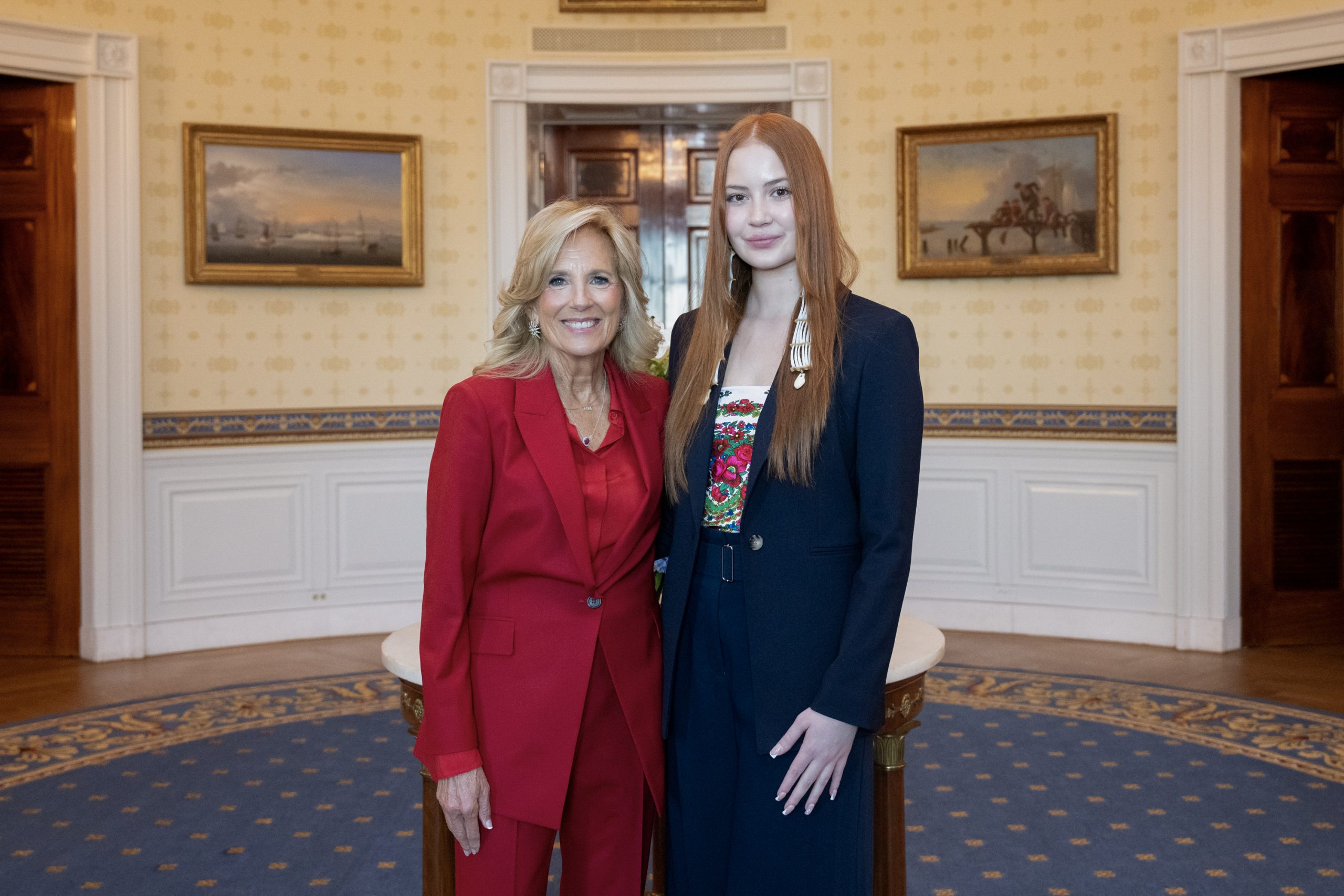
So far, she’s been doing well. In October 2024, the White House Gender Policy Council chose Anderson as part of former First Lady Jill Biden’s “Girls Leading Change,” recognizing the impacts young women are making in their communities.
Anderson — Jicarilla Apache, Chichimeca and Mexica — was the first nominee from New Mexico and the second Indigenous honoree.
“They picked really diverse groups. Some of the girls were STEM, some of the girls were more art-based but all it was surrounding uplifting their communities and trying to help out humanity. I really admired that,” Anderson said.
Some of the work Anderson has done in her community include co-authoring and self-publishing a book “South Valley” with friend Isabel James. The book features the community youth and the imagery of the South Valley, a neighborhood that sits south of the Albuquerque metropolitan area.
At 15, she began the idea of the book from hearing people’s negative ideas like gang violence and poverty in South Valley.
“They were receiving this media, and they were seeing in the news all these stories and they weren’t seeing stories about what our community actually does with each other, who we uplift, what we come together as a community. So, by creating the book we are able to put media out there that shows who we are,” Anderson said.
The book features poems and words from youth and acclaimed writers like Jimmy Santiago, Luis J. Rodriguez and Mary Oliver.
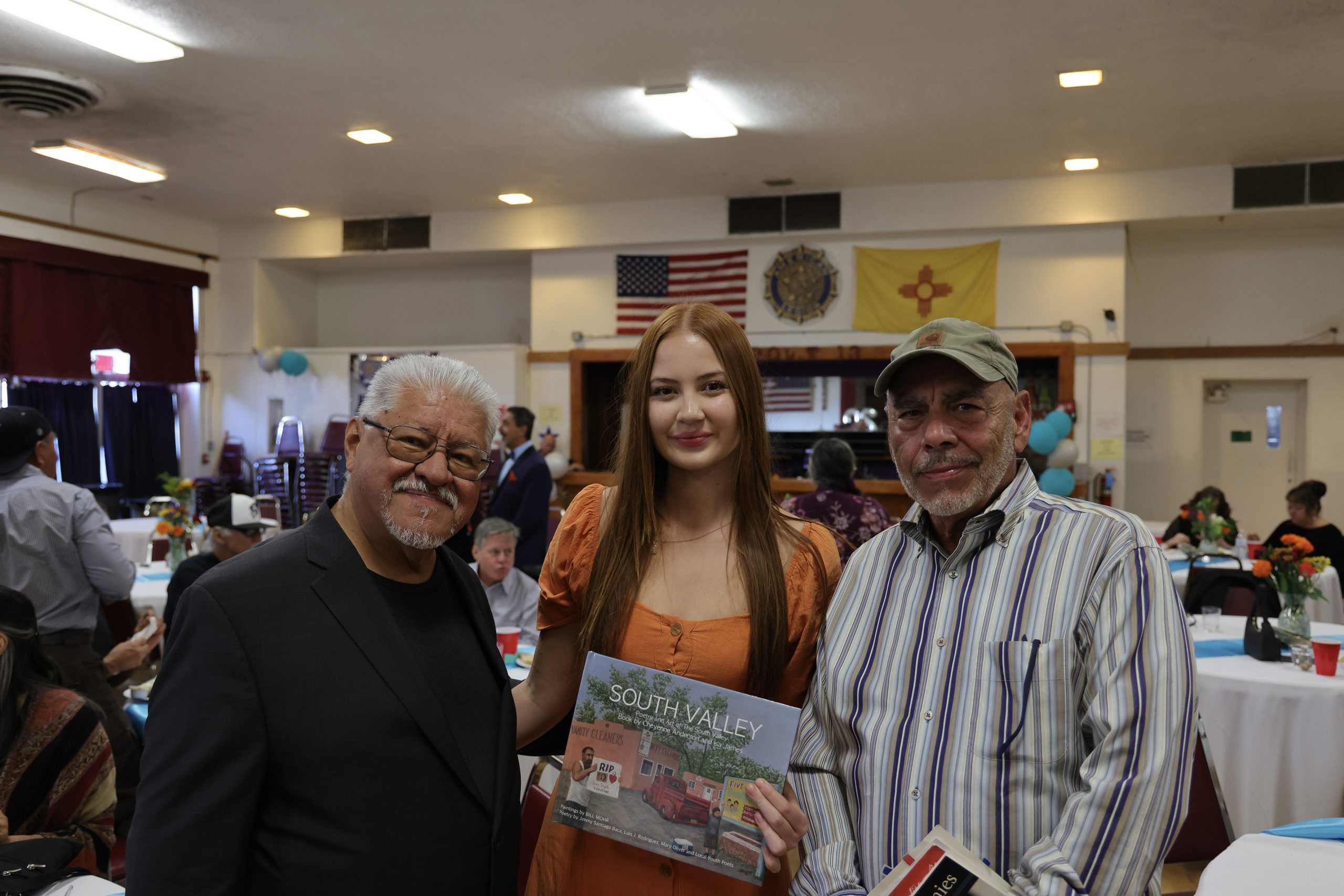
The process of self-publishing and putting together the book took about a year. Soon after its release in July 2023, the book was available at every public library in New Mexico — a goal for Anderson.
“Originally my goal for this project was to get it in the classrooms, get it to the kids and get it to the next generation,” she said.
Her advice for other young prospective authors is to portray yourself, culture and community authentically.
“It doesn’t matter if it’s in a newspaper or if it’s online, as long as you’re getting your writing out there. People are going to see it and people are going to continue to feel inspired,” Anderson said. “Keep storytelling. Keep it alive.”
Anderson also helped create a mural with a classmate in downtown Albuquerque to highlight natural medicine in the light of the COVID-19 pandemic that Indigenous communities were affected by. The mural is placed on a women’s organization center “Crossroads for Women” that works to help women who are formally incarcerated.
“We wanted to kind of put out a reminder that you need to heal yourself with both traditional and non-traditional medicine,” she said.
One of her future goals is to create a photography essay book on a Two-Spirited Initiative in the South Valley that connects Native youth and LGBTQ+ youth.
“I think that a lot of times, especially in the media, we’re underrepresented as Indigenous people. We don’t have our imagery out there, and it’s a lot of the times kind of altered to fit a different narrative, especially Indigenous LGBTQ+ members,” Anderson said.
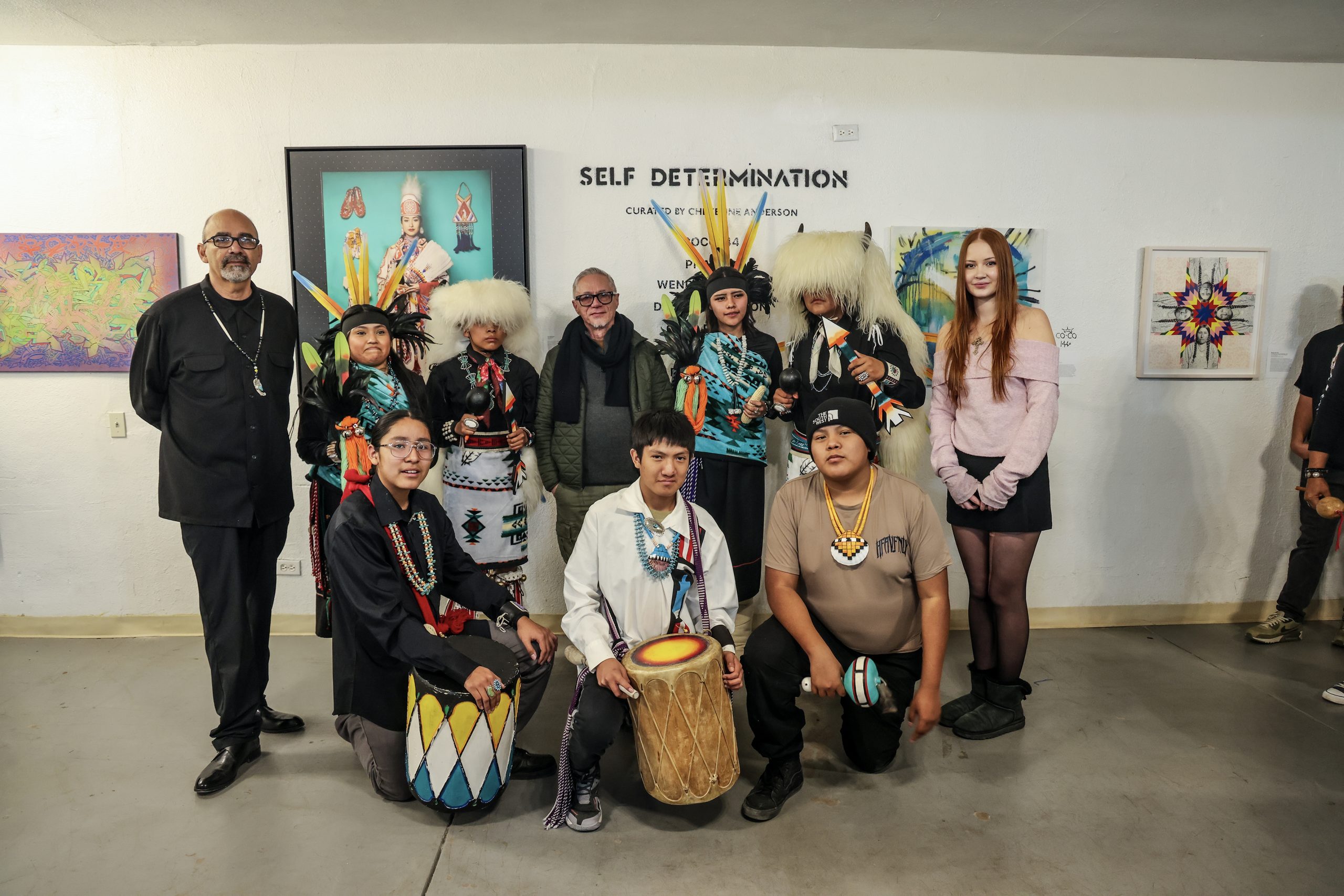
On Jan. 11, Anderson curated an art show called “Self Determination” at the La Plazita Institute that included pieces from teens at the Bernalillo County Juvenile Detention Center and art alongside respected artists Cara Romero, Wendy Red Star, Shepherd Fairey and more.
Anderson helped create the art show to provide the teenagers the message that it doesn’t matter where they come that can reach their highest potential.
“I’m hoping to do a similar show like that but bring it to more rural places. My dream is to kind of like make a museum bus…because a lot of the times we don’t have museums in really rural places in New Mexico but rural places across the United States they don’t have access to museum-quality art,” she said.
She said her love for art comes from growing up around artists and taught the positive impacts it can have on communities. Particularly, art can make diverse voices visible outside of Eurocentric or Western perspectives, Anderson said.
“Through art, through poetry, through creative outlets you’re able to show your authentic self
and you’re able to not only show yourself, you’re able to give representation to others, you’re able to for the next generation they’re able to see pieces of art that look like them, that speak to them,” she said.

Our stories are worth telling. Our stories are worth sharing. Our stories are worth your support. Contribute $5 or $10 today to help ICT carry out its critical mission. Sign up for ICT’s free newsletter.
