
Mary Annette Pember
ICT
The last days of my drinking before the turn of the millennium were joyless, empty times.
Opening my eyes in the morning after a night of using, my brain would slowly reorder itself. Was I animal, vegetable, or mineral? I had hit bottom and reached out to Alcoholics Anonymous.
SUPPORT INDIGENOUS JOURNALISM. CONTRIBUTE TODAY.
Alcoholics in AA frequently talk about hitting bottom, the thing or event that made them see that they had to quit drinking or die. For me, it was seeing myself in my daughter Rosa’s eyes. I’d gotten black-out drunk during a family vacation when she was nearly 2 years old. I woke up with my face against the cool tile of the hotel’s bathroom floor where I’d passed out after vomiting. Looking in her eyes that morning reminded me of my little girl-self, the helplessness, fear, and the smell, that awful smell, associated with many of my relatives. I didn’t want her to have to live with those memories and trauma.
I received the gift of sobriety 24 years ago this summer, and Josephine Mandamin’s walk for water helped me learn to live sober.
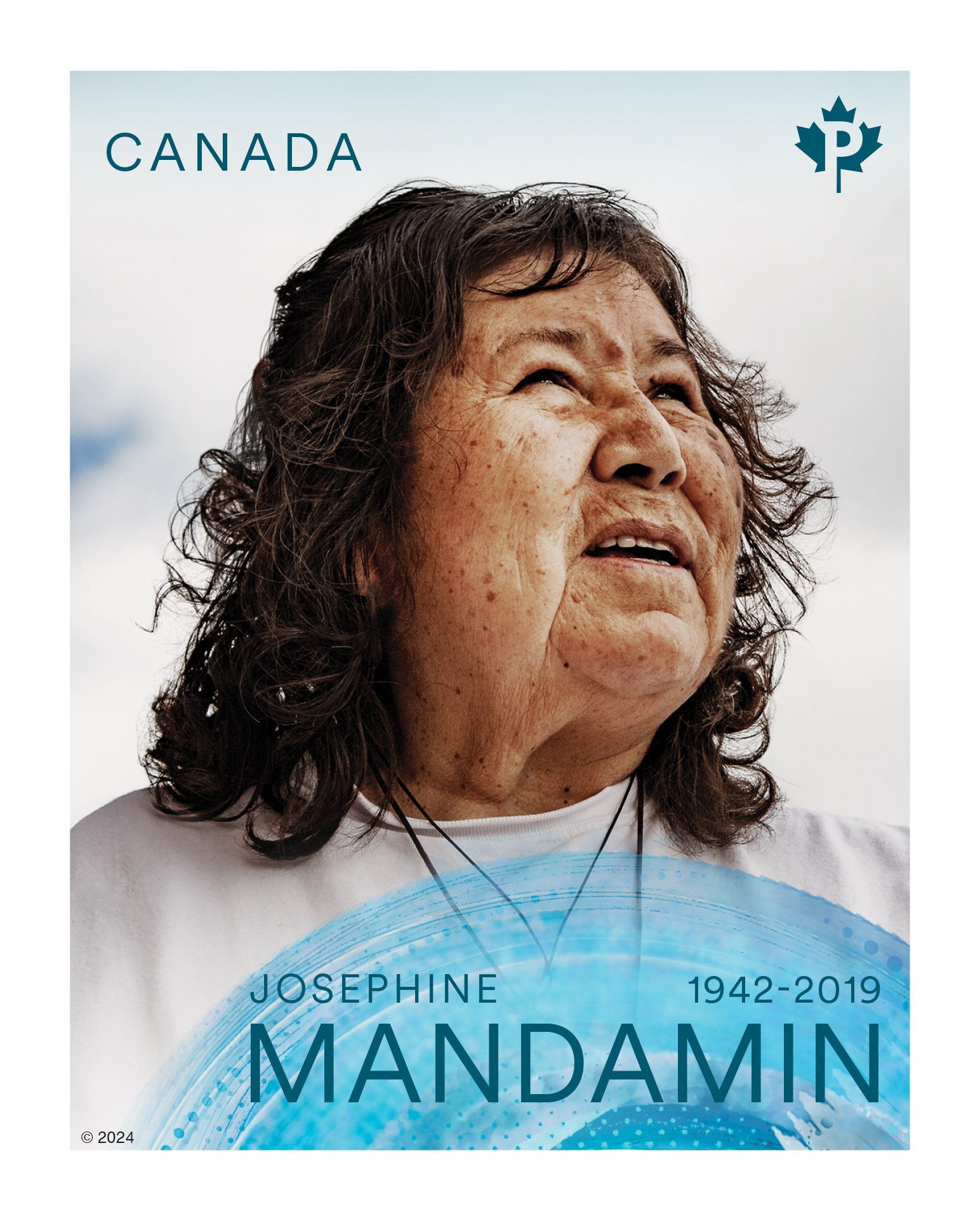
My recent story about Mandamin and two other Indigenous women in Canada who were honored with their images on postage stamps took me back to those wondrous days when every heart seemed to reveal itself.
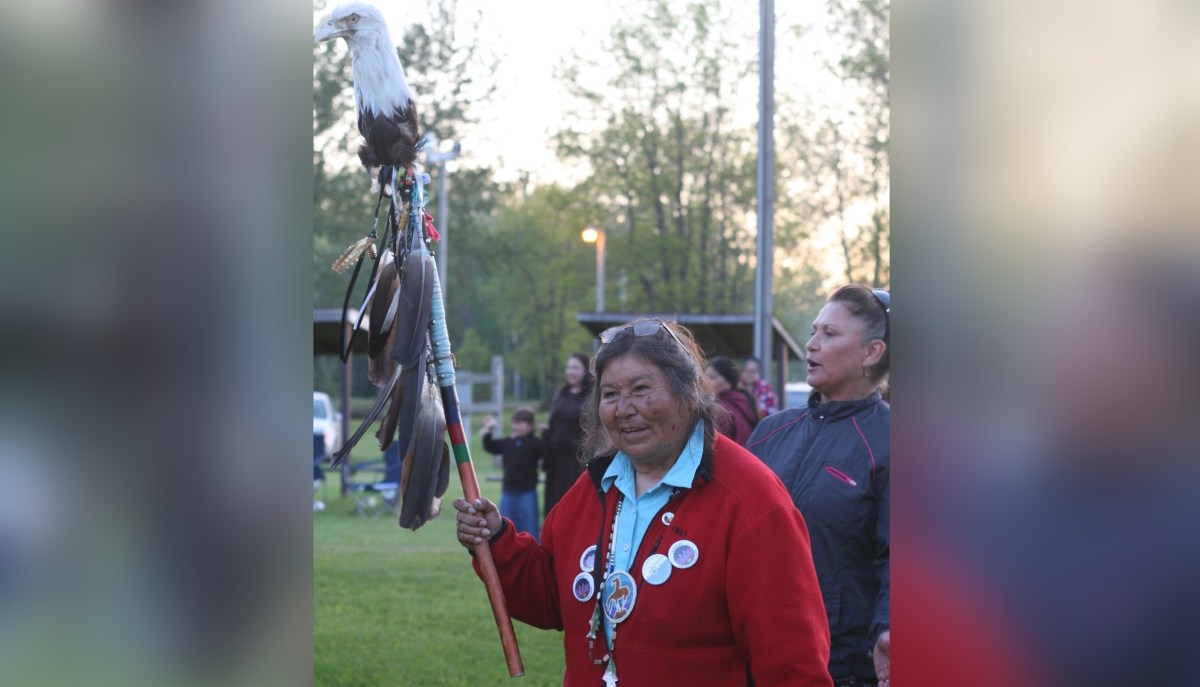
It was August 2000 and I was working as a freelance journalist when I scored an assignment with the Discovery Channel to photograph Ojibwe people for the entire month for their “Picture of the Day” series. Mandamin, Anishinabe from the Wikwemkoong Unceded Territory in Ontario, had started her first water walk around Lake Superior, Gichee Gumee.
Mandamin’s simple mission — to bring awareness to the importance of fresh water and the threats of pollution and environmental degradation to our most precious resource — gave birth to a movement, the Mother Earth Water Walk. Although she died in 2017, her message is as important today as it was in 2000.
She began and ended her walk that year on the Bad River Ojibwe reservation in Wisconsin where my mother was born and raised and where many members of my family still live. Throughout that month, I frequently circled back to Mandamin, meeting up with her and the water walkers as they made their way around the lake, approximately 1,300 miles.
When Mandamin grew tired, others carried along the eagle staff, symbolizing a mission greater than themselves. I camped and shared meals with them and helped ferry tired walkers to the next stop.
The walk and the people on it, unknown to them, became my touchstones that summer as I drove hundreds of miles around the Great Lakes region visiting various Ojibwe people and communities. Although I didn’t know it at the time, I was also learning how to live life without drinking, learning that I am a part of, rather than apart from, other humans and the earth.
In those days, I couldn’t imagine life without alcohol. Drinking in my family was our only coping mechanism and I embraced it enthusiastically. And it worked. Until it didn’t. Honestly, if it had worked, I’d still be drinking today. Alcohol was the answer to everything. I drank to relax, to celebrate, to socialize. I drank to ease the rage and anger over a racist, unfair world, my discomfort with myself, my family, and my mother, most of all. As a fellow recovering alcoholic described his end-stage drinking, “I drank because it was Tuesday.” Reluctantly, I attended my first AA meeting. I was so ashamed by my lack of willpower and was sure everyone would be shocked by my behavior.
Amazingly, at least to me, the people in AA were neither shocked nor surprised by my story. If anything, they appeared underwhelmed; I was just another drunk. I heard far worse stories than mine in the rooms and came to see how incredibly lucky I was to have found what they call “the gift of desperation” before I’d killed myself or someone else.
I found the help and support I needed to build a new way to live life without alcohol in the rooms of AA. But it was the acceptance and love from my own Ojibwe people during the summer of 2000 that really made sobriety possible for me, giving me a spiritual roadmap in living life on life’s terms.
Sobriety is a prerequisite for participation in ceremony so for years it held little interest for me; I’d politely decline the occasional invitations extended by friends and relatives. But during that summer, ceremony was unavoidable. Everywhere I went, it seemed, there was ceremony, and the people simply included me, opening their arms.
There was no judgment; no one asked for explanations. People could see I was fragile, even if I couldn’t admit it, and they cared for me. I was on my moon when I visited my friend Winona’s naming feast for her son; I was a little embarrassed and worried about breaking traditional rules. (Typically, Ojibwe women curtail ceremonial activities during their menses.) Winona said, “Sit down, my girl; I’ll feed you.” And she did. I was so tired during those early days of sobriety; my body couldn’t seem to get enough sleep. Winona and others I met along the way, friends, relatives and Ojibwe I’d never met before, fed me and gave me safe places to rest.
In addition to covering the Water Walk, one of my first assignments was photographing Jim Simon, Mishibinijima (birch bark silver shield man) in Wikwemikong. Jim is a painter in the Indigenous woodlands or legend artists style, which is influenced by spirit writing. Before contact, Ojibwe used mnemonic symbols or spirit writing to record visions and teachings on birch bark scrolls and rock faces throughout the Great Lakes region.
My hands were still shaking from alcohol withdrawal and my legs were wobbly as I walked up to Jim’s tiny studio far out in the bush. A big man, he stood in the doorway silently watching me approach. Holding up his hand, he said, “Wait right here, I have something for you.”
He returned with some dried plant medicines and said, “I can see you’re struggling.” After giving me instructions on what to do and how to use the medicines, he showed me his paintings and posed for photographs. I left Jim’s studio in a daze. These medicines, teachings, ceremonies and simple gifts of love and acceptance had been there waiting for me all along.
I remember thinking, “If the Creator is going to this much trouble for me, maybe I better pay attention.” Finding the photo from those days of Mandamin triumphantly carrying an eagle staff brought it all back, reminding me of my own triumph and the importance of caring for my sobriety, a priceless honor.
The memories make holidays especially sweet for me. I can celebrate the Fourth of July, once a notorious opportunity to drink to excess, without alcohol. And amazingly, I’ll have fun. Once a surprise, it’s now an accepted gift. Have fun and stay safe.
Resources
If you want to seek help for addiction, here are some places to start:
*Substance Abuse and Mental Health Services Administration (SAMHSA) national helpline, 1-800-662-4357
*Alcoholics Anonymous, find a meeting near you.
*Narcotics Anonymous
*Suicide and Crisis hotline, Dial 9-8-8

Our stories are worth telling. Our stories are worth sharing. Our stories are worth your support. Contribute today to help ICT carry out its critical mission. Sign up for ICT’s free newsletter.

