
Greetings, relatives.
A lot of news out there. Thanks for stopping by ICT’s digital platform.
Each day we do our best to gather the latest news for you.
Okay, here’s what you need to know today:
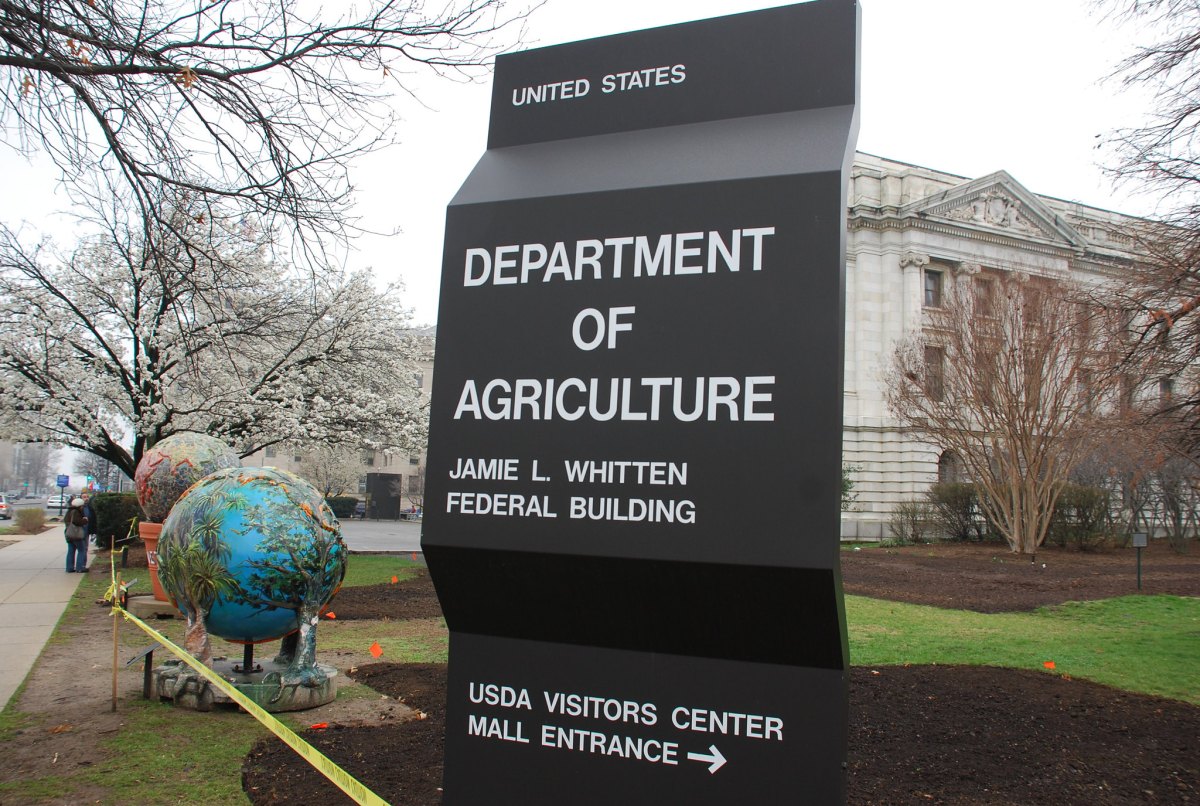
Tribes nationwide are reporting delivery delays on federally provided food packages after a spring consolidation of all U.S. Department of Agriculture warehouses into one.
“Imagine going to your grocery store, and the trucks just didn’t show up. You might get some of your items, but that’s it,” said Mary Greene-Trottier, director of the Spirit Lake Nation food distribution program in North Dakota. “The government has an agreement with tribal nations. They need to uphold their agreements.”
Greene-Trottier said more than 50,000 Native American families rely on these food package deliveries.
The Food Distribution Program on Indian Reservations works as an alternative to the Supplemental Nutrition Assistance Program, often called “food stamps” or SNAP. The Food Distribution Program is intended for tribal citizens who live in food deserts so those far from grocery stores can go to the warehouse store locations on their reservations and get a package of essential foods – known colloquially to many Natives as “commods.” Those foods include: eggs, milk, cheese, bread, cereal, canned goods, fresh and frozen vegetables.
Several treaties and the federal-tribal trust relationship state that the government is responsible for supplying Indigenous nations with food. READ MORE.— Felix Clary and Amelia Schafer, ICT + Tulsa World + Rapid City Journal
SUPPORT INDIGENOUS JOURNALISM. CONTRIBUTE TODAY.
TRIGGER WARNING: This story contains material regarding sexual misconduct allegations involving a minor.
The last remaining criminal charge against Yakama-Pawnee artist Walter “Bunky” Echo-Hawk Jr. was abruptly dropped Friday after prosecutors said they needed further investigation into the allegations against him.
The dismissal comes as an Oct. 28 trial date was approaching for Echo-Hawk on a charge of lewd behavior with a child under 16 years. Another charge of felony possession of juvenile pornography was dropped earlier this year after questions were raised about the search warrant that led to seizure of the materials.
The dismissal was made “without prejudice,” meaning new charges could be brought at a later time. READ MORE. — Felix Clary, ICT + Tulsa World
Cedar Wilkie Gillette, citizen of the Mandan, Hidatsa, Arikara Nation and a Turtle Mountain Band of Chippewa descendant, stepped into her role as federal MMIP Coordinator in Oregon in June of 2020. One of her priorities was the creation of guidelines for law enforcement agencies handling cases of missing and murdered Indigenous people. Though she completed that task in April 2022, her office won’t publicly share guidelines essential to holding law enforcement accountable.
The guidelines Wilkie Gillette’s office created were extensive. Required under Savanah’s Act, a 2020 law intended to be a federal response to the MMIP crisis, they include guidelines for law enforcement jurisdiction, best practices when searching for missing persons, standards on data collection, reporting and analysis, and identification and handling of human remains, law enforcement agencies responsible for entering information into appropriate databases when tribal law enforcement agencies do not have access to such databases, improving law enforcement agency response rates and follow-up responses to missing persons cases, and access to culturally appropriate victim services.
“Basically, it’s like a roadmap to handle missing persons cases expeditiously,” Wilkie Gillette told Underscore Native News + ICT. READ MORE. — Luna Reyna, Underscore Native News + ICT
A ballot measure that could repeal Alaska’s ranked choice election system is headed to a vote in November, the Alaska Supreme Court confirmed Thursday.
In a brief order, the court’s five members upheld a lower court decision that certified Ballot Measure 2, which would repeal the laws that created the state’s ranked choice general election and open primary election.
The order came shortly after justices heard oral arguments in an appeal claiming that the Alaska Division of Elections improperly certified the measure.
“Today the Court quickly affirmed that the Division of Elections properly interpreted and applied the law in qualifying this initiative for the November ballot,” said Senior Assistant Attorney General Lael Harrison, in a statement issued by email. “The Department of Law is grateful to the Court for their timely review and decision on this issue, in plenty of time for the Division’s upcoming ballot printing deadlines.”
At issue in the appeal was whether the Division of Elections could legally allow petitioners to correct some flaws with petition signature books after they had been submitted to the division. READ MORE. — Alaska Beacon
Sign up here to get ICT’s newsletter
A group of Apache opposing a copper mine in the Oak Flat area of Arizona stopped to make their case in New Mexico on their way to Washington, D.C., where they will file a petition asking the U.S. Supreme Court to hear their case against the federal government.
Apache Stronghold, a nonprofit group of San Carlos Apache and others, has been fighting the proposed Resolution Copper mine planned for development in Oak Flat, an area in Tonto National Forest outside of Superior, Arizona.
Oak Flat, known in Apache as Chi’chil Bi∤dagoteel, is ancestral land of the San Carlos Apache Tribe. In English, the name means “Emory Oak Extends on a Level.” For the Western Apache, Oak Flat is a “direct corridor to their Creator and the site of essential religious practices that ‘cannot take place anywhere else,’” Apache Stronghold said in an April appeal to the 9th U.S. Circuit Court of Appeals. READ MORE.— Inside Climate News
Summer is the peak season to visit the splendor of America’s National Parks, to see geysers, buffalo, wolves, elk, lakes, waterfalls and mountains. These wild, untouched areas hold awe-inspiring geological and spiritual places.
But often the history of those who originally inhabited these lands gets the short end of the walking stick at visitors centers from the 325 million travelers who visit annually.
A new program, the Sacred Defense National Parks and Monuments Initiative, has been established by the Lakota People’s Law Project (Lakota Law), which has worked with Indigenous communities and leaders toward Native and environmental justice. The Lakota flourished for centuries before Europeans arrived, and the Native tradition of living in relation to all things is more important today than ever. READ MORE. — Sandra Hale Schulman, Special to ICT
- Facebook is the ‘moccasin telegraph’ for missing and murdered Indigenous people: Social media platform raises awareness, action on what still often remains hidden.
- Fort Berthold Reservation farmers market draws a lot of love: The vendors offered a mix of fresh produce and homemade quick breads, cookies, pies, and caramel rolls. Some baked goods included ingredients from produce growers in and around the town.
- An Indigenous Triqui artist embraces his roots through contemporary rap: Carlos CGH is an Indigenous artist in Mexico who aims to conserve his native Triqui language through rap.
- Farm bill still hung up on safety net changes: Ag leaders warn of tough times to come.
- Indigenous Food Lab to debut new menu items at state fair: Sioux Chef Sean Sherman’s Indigenous Food Lab is on the list of vendors with two debut menu items.
- Indian Affairs Awards $5.7 Million in Living Languages Grants.
- Phoenix Indian Center moves to bigger quarters after selling its longtime building.
- IHS Celebrates World Water Week and Sanitation Facilities Efforts with Five Events across Indian Country.
We want your tips, but we also want your feedback. What should we be covering that we’re not? What are we getting wrong? Please let us know. dalton@ictnews.org.


