Greetings, relatives.
A lot of news out there. Thanks for stopping by ICT’s digital platform.
Each day we do our best to gather the latest news for you. Remember to scroll to the bottom to see what’s popping out to us on social media and what we’re reading.
Also, if you like our daily digest, sign up for The Weekly, our newsletter emailed to you on Thursdays. If you like what we do and want us to keep going, support and donate here.
Okay, here’s what you need to know today:
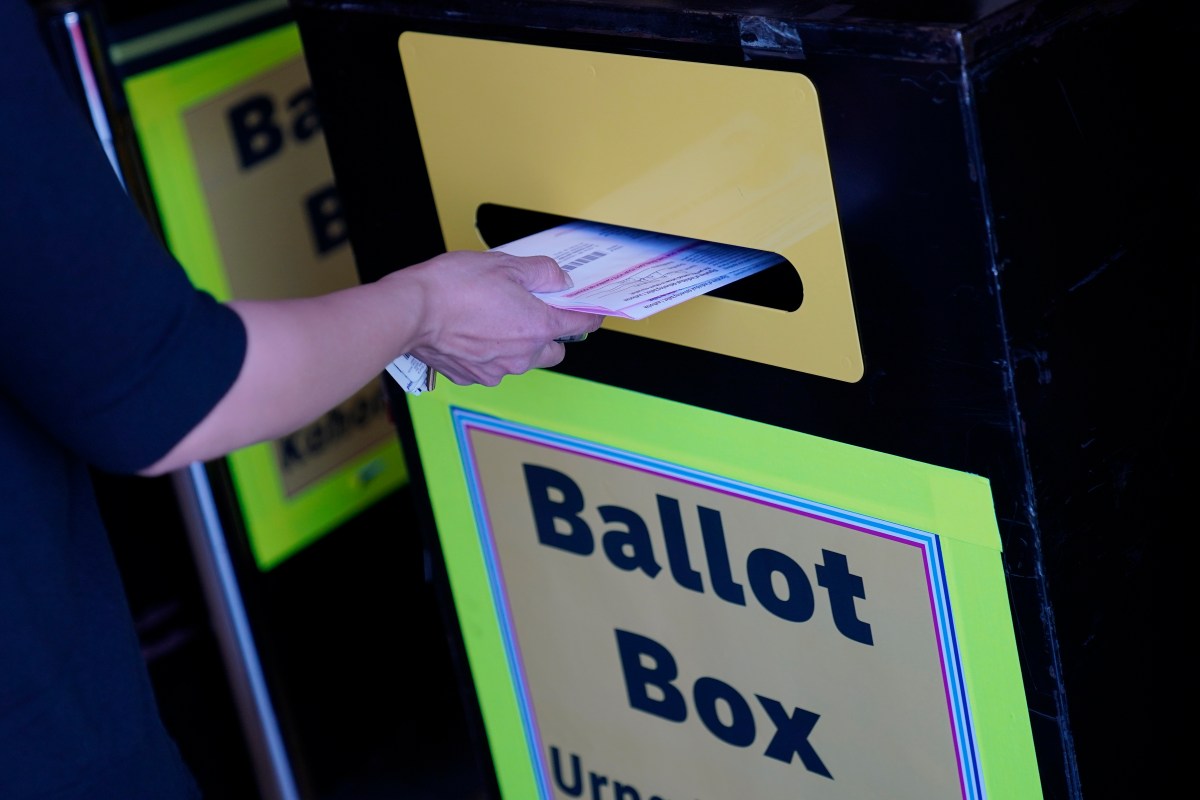
WASHINGTON — Imagine walking in to cast a ballot for the very first time, already unsure if the process will go smoothly. And then a poll worker makes a sly comment about a past criminal conviction.
“He felt embarrassed and shamed, walked out the door and never voted,” Stephanie Thompson, Lac du Flambeau Band of Chippewa, told the Native American Rights Fund during a field hearing on issues impacting Native voters in 2017.
This is the reality for many people who, despite being eligible to register to vote or cast their ballot, are often denied their voting rights or shamed.
The Native vote is critical for many state and federal elections, including in Arizona, Alaska, Montana, Wisconsin, North Dakota, New Mexico and Nevada — just to name a few. The influence of the Native vote has been strategically diluted through gerrymandering, voter laws and few polling locations on sovereign lands. READ MORE — Pauly Denetclaw, ICT
SUPPORT INDIGENOUS JOURNALISM. CONTRIBUTE TODAY
While every day is a good day to be Indigenous, each year on the second Monday of October, the United States celebrates Indigenous Peoples Day.
The holiday honors and celebrates the histories, cultures and traditions of the first people of this land.
In 2023, President Biden issued a Presidential Proclamation celebrating the day, stating in part, “On Indigenous Peoples Day, we honor the perseverance and courage of Indigenous peoples, show our gratitude for the myriad contributions they have made to our world, and renew our commitment to respect Tribal sovereignty and self-determination.”
Leading up to Oct. 14 and on the day of, events are being held throughout the country. Here you will find a running list of events that will continue to be updated leading up to Indigenous Peoples Day 2024. FIND LIST OF EVENTS HERE — ICT
For the last month I’ve been trying to think of how ICT could approach Indigenous Peoples’ Day differently. Because as many of us say, “It’s Indigenous Peoples’ Day every day for us.” So for the first time, I Googled it.
Lists and stories named land acknowledgements, supporting Native-owned businesses, reading about the history of Native peoples, and watching TV shows or movies by Native people. (Personally I’d say to support Indigenous-led media because there’s so many out there. The Indigenous Journalists Association has a list.)
It all seemed pretty redundant because we exist in these spaces all day, every day already.
Our managing editor then asked, ‘What do Indigenous nations do outside of this one day during this time of the year?’ Then I asked myself, what does this time of the year mean to me as a Diné asdzáán, or Navajo woman? READ MORE — Jourdan Bennett-Begaye, ICT
Sign up here to get ICT’s newsletter
PHOENIX – As the 2024 presidential election approaches, women of color are emerging as one of the most influential voting blocs in the United States. Their growing political power is reshaping policy debates and driving grassroots activism across the country.
Arizona, a battleground state, has seen substantial change to the racial and ethnic composition of its electorate. According to the Center for American Women and Politics, Black women became the second-largest group in voter turnout in the U.S. in 2022, behind White voters and ahead of Asian American/Pacific Islander and Latino voters. In recent elections, the number of women voting exceeded the number of men. Black voters play a crucial role in several key battleground states this year.
From reproductive justice to immigration reform, women of color are at the forefront of movements pushing for systemic change, challenging voter suppression and reimagining leadership at every level of government.
Janelle Wong, director of Asian American Studies at the University of Maryland, explained that women of color have become powerful political forces precisely because of their unique challenges. Wong served on a “Women of Color in the 2024 Election: Preferences and Power” panel put on by Latina Futures 2050 Lab, a research and community initiative. READ MORE — Cronkite News
Salmon numbers in the Yukon River and its tributaries remained low this year, continuing a yearslong trend of struggles and harvest closures, but there were some positive signs, according to late-season information from Alaska and Canadian fisheries managers.
The fall run of chum salmon, which usually comes into the river system from mid-July to October, is the third lowest in a record that goes back to the 1970s, the Alaska Department of Fish and Game said in a Yukon River update issued on Wednesday. It is expected to be less than a quarter of the historic average of about 900,000 fish, the update said.
However, the summer run of chum salmon, which arrived in the river system earlier, was strong enough this year to allow some subsistence harvests, albeit with various gear restrictions and a requirement that any Chinook salmon that were caught be returned to the water alive.
Subsistence fishing was allowed in both state-managed segments and federally managed segments of the Yukon River system. And it was allowed during the period when the two runs were overlapping. READ MORE — Alaska Beacon
- They sacrificed their lives for U.S. nuclear. Now they want justice: Native people from the Southwest gathered at the U.S. Capitol to call attention to the impacts of domestic uranium production and urge the House of Representatives to hold a vote to reauthorize and expand the Radiation Exposure Compensation Act
- Center for Indigenous Research launches Great Plains Hub: The Johns Hopkins School of Medicine created a new research hub in South Dakota
- Non-Indigenous officials representing Indigenous constituents, nations: Elected officials talk about the issues facing Indigenous voters in their districts and city
- Cherokee Nation Steps to Aid Eastern Band of Cherokee Indians in Aftermath of Hurricane Helene
- Dire warnings to flee as Hurricane Milton begins to lash Florida
- TikTok is designed to be addictive to kids and causes them harm, US states’ lawsuits say
We want your tips, but we also want your feedback. What should we be covering that we’re not? What are we getting wrong? Please let us know. dalton@ictnews.org.

Our stories are worth telling. Our stories are worth sharing. Our stories are worth your support. Contribute $5 or $10 today to help ICT carry out its critical mission. Sign up for ICT’s free newsletter.