
Greetings, relatives.
A lot of news out there. Thanks for stopping by ICT’s digital platform.
Each day we do our best to gather the latest news for you. Remember to scroll to the bottom to see what’s popping out to us on social media and what we’re reading.
Also, if you like our daily digest, sign up for The Weekly, our newsletter emailed to you on Thursdays. If you like what we do and want us to keep going, support and donate here.
Okay, here’s what you need to know today:
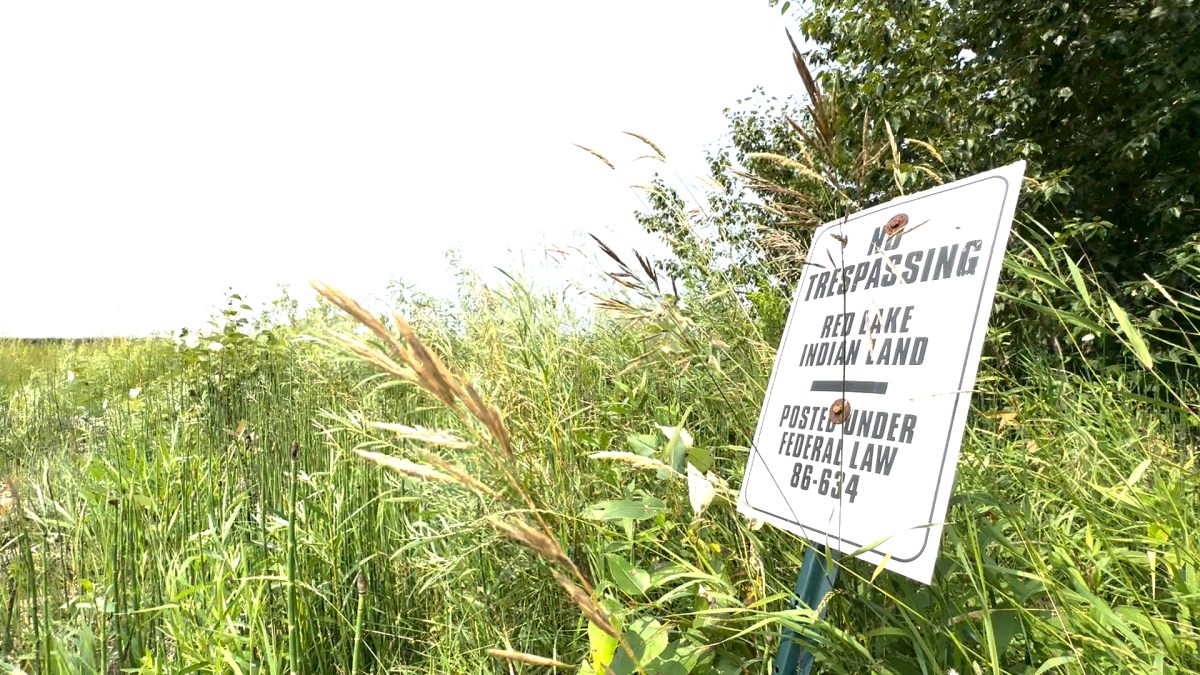
Red Lake Nation citizen Migizi Spears stands in the tall grasses along the northeastern shore of Red Lake in northern Minnesota, looking out over the vast body of water his tribe holds sacred.
“This is the stolen part of the lake and stolen pieces of our land here,” he said.
Spears has joined direct actions along the disputed shoreline since 2011, asserting tribal fishing rights and stewardship of the territory.
“This is Red Lake Nation’s land,” said the activist and educator. “Over the time we’ve proven our points here.”
On five different occasions, Spears and colleagues have fished the waters outside of the Minnesota Department of Natural Resources fishing season – and without a state fishing license. He said each time they took the actions, they notified DNR officials and the Beltrami County Sheriff’s Office about what they planned to do. So far, they haven’t been arrested or cited for their purposeful breaches of state laws and regulations. Spears said if they ever do get formal challenges from state authorities they would seek redress in federal court. READ MORE — Stewart Huntington, ICT
SUPPORT INDIGENOUS JOURNALISM. CONTRIBUTE TODAY
YAKAMA NATION, Washington — The tribal people comprising the Confederated Tribes and Bands of the Yakama Nation “have lived in this area since the beginning of time,” reads the history section of the nation’s website.
It goes on to explain that more than 600,000 acres of the nearly 1.4-million-acre reservation, situated along the eastern slopes of the Cascade Mountain Range in south-central Washington State, is forested.
“All this for future generations yet unborn according to teachings by our elders.”
The Yakama Nation Tribal Forestry Forest Development Program is tasked with managing its timberlands today and for future generations. Among the handful of program employees are three young Yakama Nation citizens, Forest Development Technicians Amelia Andy, Landon Smartlowit, and Wayne Watlamet. READ MORE— Steve Wilent, Special to ICT
The Great Lakes Lifeways Institute is joining forces with Indigenous nations in Minnesota and Ontario to build three elm bark community lodges as part of a growing effort to bring traditional lodges back to the region.
The lodges are among the first traditional lodges built in Minnesota in more than 100 years.
The institute has been working to build the lodges with the Prairie Island Indian and Lower Sioux communities in Minnesota, and the Aamjiwnaang First Nation in Ontario just south of the southern tip of Lake Huron.
“These grassroots projects brought together dozens of people, created powerful collaborative synergy between diverse communities and nations, all to create and reestablish traditional spaces for healing, growth, learning, teaching and even birthing,” said Great Lakes Lifeways founder and executive director Kevin Finney, in a recent Facebook post. READ MORE — Dan Ninham, Special to ICT
Grand Canyon West and its Skywalk attraction and helicopter tours was back in business Wednesday, a day after one person was killed and at least eight others hospitalized after a tour bus rollover in northern Arizona.
Hualapai tribal officials said a private tour operator and a visitor’s personal vehicle collided near the Grand Canyon West parking lot at around 10 a.m. Tuesday within the resort’s Corp Circle in Terminal 1.
They haven’t released any other information, citing their ongoing investigation.
Cheyanne Majenty, who is with Hualapai Emergency Operations, said the resort was open and fully operational Wednesday after being closed following Tuesday’s fatal rollover.
John MacDonald, a spokesman for the tribe, said the person who died was a woman but he didn’t have her name, age or hometown yet.
Eight of the 57 people aboard the bus were flown to a Las Vegas hospital and reported to be in fair condition Tuesday night. However, MacDonald didn’t have any names or updates Wednesday.
The Hualapai Nation Police Department is investigating the rollover, but the National Transportation Safety Board said it is not doing so “at this time.”
Grand Canyon West is in northern Mohave County at the West Rim of the Grand Canyon. It is run by the tribe but has no operational ties to Grand Canyon National Park, which is managed by the National Park Service.
Skywalk, which opened as a tourist attraction in 2007, is a 10-foot (3-meter) wide, horseshoe-shaped cantilever bridge with a glass walkway on the edge of a side canyon in Grand Canyon West. — Associated Press
Sign up here to get ICT’s newsletter
Muwekma Ohlone Chairwoman Charlene Nijmeh sent a letter to Interior Secretary Deb Haaland in July asking for the National Eagle Feather Repository to be made accessible to the tribe. The repository is maintained by the U.S. Fish and Wildlife Service to distribute the feathers of golden eagles, and bald eagles, to Native Americans and Alaska Natives from federally recognized tribes. This California tribe is not federally recognized, due to a decades-old technical error.
It is salmon season in Alaska which means families are setting up camp to harvest, and preserve, precious fish for the winter. ICT’s Joaqlin Estus found one family that’s taking fish camp one step further, with the creation of Fish Camp Barbie.
WATCH:
The Minnesota Supreme Court on Wednesday ruled that the state’s Pollution Control Agency improperly granted permits to a fiercely contested copper-nickel mine and concealed environmental concerns about the project, which critics say threatens to pollute Lake Superior and hurt tribal lands.
The proposed mining project, a 50-50 joint venture with PolyMet Mining and Teck Resources, was renamed NewRange Copper Nickel in February but is still widely known as PolyMet. It seeks to be Minnesota’s first copper-nickel mine, but it has long been stalled by court and regulatory setbacks.
The Minnesota Supreme Court’s 6-0 ruling against the state’s Pollution Control Agency once again derails the long-sought project, directing the state agency to reconsider the permits.
Justices found that state regulators not only ignored concerns from the federal Environmental Protection Agency about the northeastern Minnesota mine, but attempted to conceal EPA warnings from the public. READ MORE. — Associated Press
- The economics of cannabis: Analysis: Should tribes dive into the cannabis market? Is it worth the trouble?
- Indigenous Mexican corn making a comeback: Heirloom corn in a rainbow of colors makes a comeback in Mexico, where white corn has long been king
- President Joe Biden appoints new trustees to IAIA: New board members include Indigenous artists, designers and directors
- Waves grow as Earth warms, research finds
- Should Donald Trump go to jail?
- Indigenous language interpreters unite to fill gaps
We want your tips, but we also want your feedback. What should we be covering that we’re not? What are we getting wrong? Please let us know. dalton@ictnews.org.

Like this story? Support our work with a $5 or $10 contribution today. Contribute to the nonprofit ICT. Sign up for ICT’s free newsletter.

