
A’ho, relatives.
A lot of news out there. Thanks for stopping by ICT’s digital platform.
Each day we do our best to gather the latest news for you. Remember to scroll to the bottom to see what’s popping out to us on social media and what we’re reading.
Also, if you like our daily digest, sign up for The Weekly, our newsletter emailed to you on Thursdays. If you like what we do and want us to keep going, support and donate here.
Okay, here’s what you need to know today:
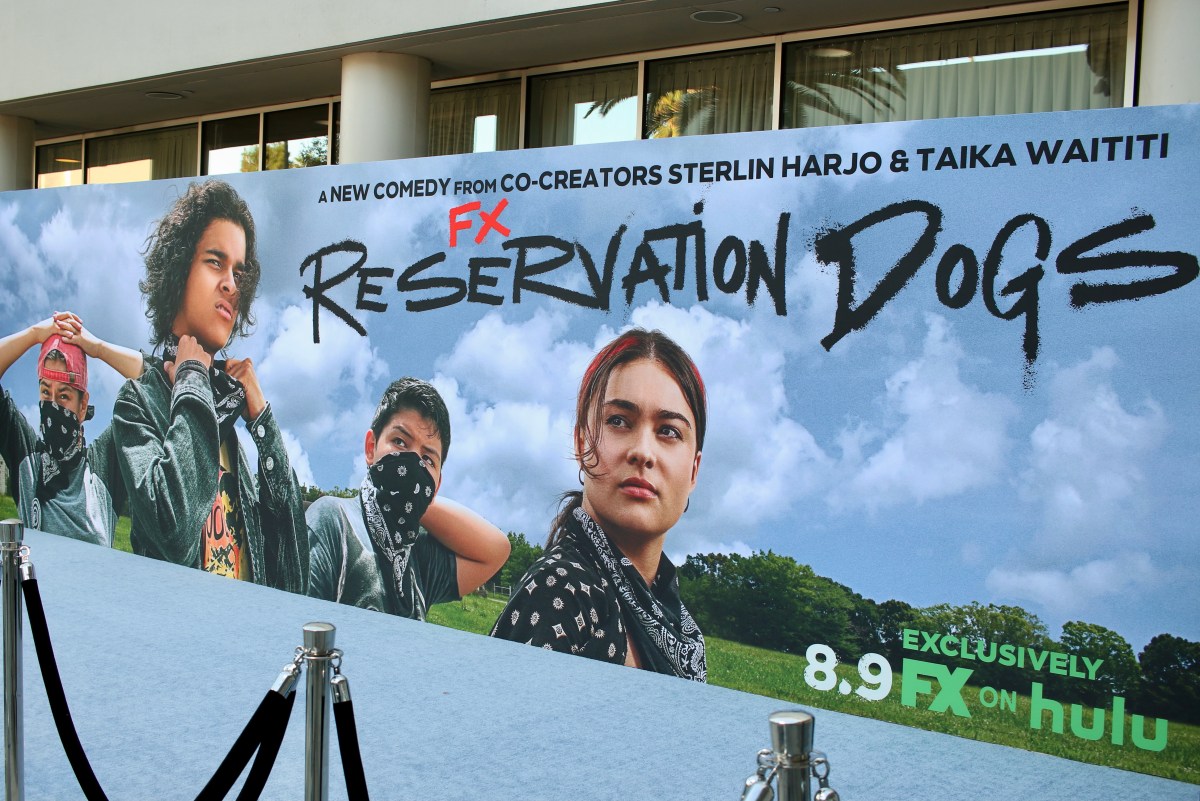
FX’s “Reservation Dogs” hosted an open call Saturday for people to appear on the show, and Native people didn’t disappoint.
An Instagram video posted by show creator Sterlin Harjo shows how many people showed. The video shows a long line outside the casting call that stretches way around the block in Tulsa, Oklahoma.
“My arm is going to get tired,” Harjo can be heard saying as he’s filming the line.
The popular show was renewed for a third season and is expected later this year. Season 1 and 2 can be watched on Hulu.
The show was created by Harjo and Taika Waititi, who are both executive producers. — ICT
SUPPORT INDIGENOUS JOURNALISM. CONTRIBUTE TODAY.
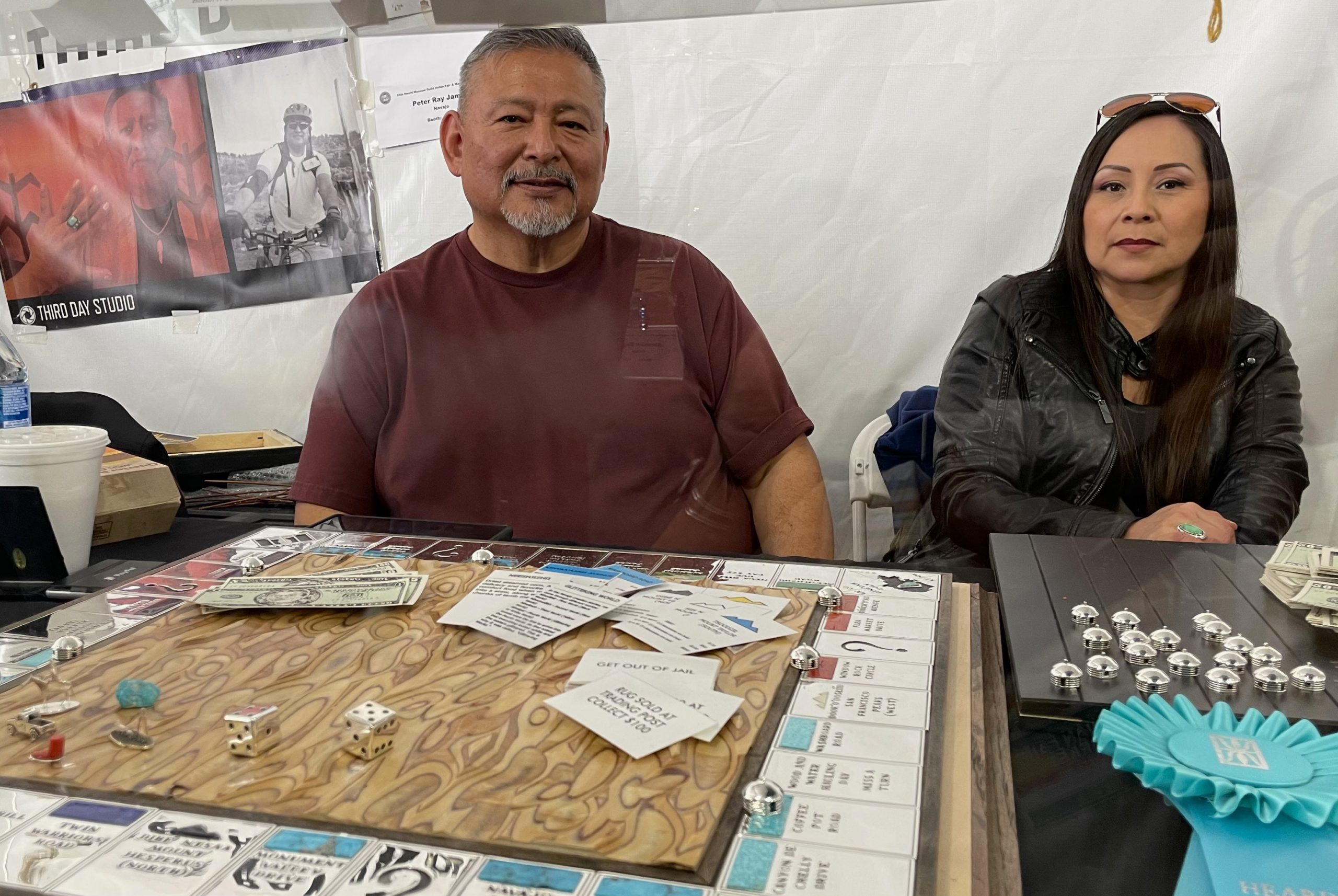
PHOENIX – With properties called “Washboard Road” and “Chief Manuelito Drive” and two sterling silver dice, “Dinetah-Poly” is Raynard Scott’s rendition of the Monopoly board game.
“One of the cards says you hit a pothole, pay $50 for a new used tire,” Scott said. “It’s things that you would experience if you were living on the reservation – up in Navajoland.”
The Diné metalsmith’s take on the popular game earned him best of show at the 2023 Heard Guild Indian Fair & Market in Phoenix. READ MORE. — Noel Lyn Smith, ICT
Thirty-three mushers and dog teams got underway on Sunday, March 5, in the 51st Iditarod Trail Sled Dog Race, leaving Willow, Alaska, at 2 p.m. local time.
In about nine days, one of them will be the first to cross the finish line in Nome some 998 miles away. By then, mushers and dogs will have traveled across a rugged landscape of forests, tundra, icy rivers, a steep mountain pass and deep gorge, and windswept coastlines. They might have had to navigate whiteout conditions, sub-zero temperatures and gale-force winds.
They’ll also experience the hospitality of volunteers at checkpoints and the warm greetings in Alaska Native villages along the route. READ MORE. — Richard Arlin Walker, special to ICT
A ballistics test could determine whether a handgun admitted as evidence in a 1978 California murder trial was the weapon used to commit the crime — or was a plant as critics have suggested.
At stake is the potential freedom of a Monache man who has spent more than 44 years at San Quentin Prison and was once sentenced to death for the murder.
Attorneys for Douglas R. “Chief” Stankewitz, of Big Sandy Rancheria, say they believe shell casings in evidence don’t match the gun presented as the murder weapon in the case. They also contend that the weapon was in police custody before the crime occurred and that Stankewitz’s fingerprints are not on the gun. READ MORE. — Richard Arlin Walker, special to ICT
Sign up here to get ICT’s newsletter
On the Monday edition of the ICT Newscast, we visit with North Dakota state lawmaker Jayme Davis about pending legislation. What hurdles stand in the way of Indigenous entrepreneurs? Plus, it’s Women’s History Month. ICT’s first female editor tells us about her story.
Watch:
Indigenous filmmaker Mark D. Williams has caught the attention once again of the film industry with his latest documentary about Choctaw stickball, one of about a half-dozen stickball games played in North America.
The film, “The Journey of Tiak Hikiya Ohoyo,” about a women’s Choctaw stickball team from Mississippi, is set for a series of showings at film festivals in Mississippi and Oklahoma in March, with others likely on the way.
It captures some of the things Williams likes best about making films — Indigenous sports, underdogs, and the cultural importance of a game still played across the southeastern United States and beyond. READ MORE.— Dan Ninham, Special to ICT
Minnesota Gov. Tim Walz will temporarily transfer power to Lt. Gov Peggy Flanagan, White Earth Nation, on Monday while he’s under general anesthesia for a colonoscopy, his office said Sunday.
The 58-year-old governor sent a letter Sunday to House Speaker Melissa Hortman and Senate President Bobby Joe Champion informing them of his plan, as per state law.
The transfer will start at 1 p.m. Monday when the procedure begins and will remain in effect until he sends the legislative leaders a written declaration that he is again able to discharge his duties. He plans to return home later that day to recuperate and is expected back in the office on Tuesday. — Associated Press
FOLLOW ICT ON SOCIAL MEDIA: FACEBOOK, TWITTER, INSTAGRAM, TIKTOK.
What’s trending on social media:
- Tribe sues BIA over police staffing levels:Chronic officer shortage, drug-fueled crime waves force Oglala Sioux Tribe to turn to courts.
- Montana bill would strengthen law requiring Indigenous education: The bill comes amid concerns that schools have not properly implemented the curriculum requirement, which is embedded in the state’s constitution.
- ‘A steady, consistent voice within Treasury’: An Indigenous woman will lead the US Department of Treasury’s Office of Tribal and Native Affairs.
- Film festival puts spotlight on Native women directors: ‘Extraordinary’ lineup presents films ‘from a Native perspective.’
- National Congress of American Indians looks to year ahead: The organization is celebrating its 80th anniversary this year.
- Thirteen Cherokees buried at Congressional Cemetery during the 1800s.
- Saskatoon high school students use coding to remix Indigenous music, learn about history, and reconciliation.
We want your tips, but we also want your feedback. What should we be covering that we’re not? What are we getting wrong? Please let us know. dalton@ictnews.org.


