
Joaqlin Estus
ICT
ANCHORAGE — Two Alaska villages have joined a federal lawsuit opposing what would be the largest pure-gold open pit, hardrock mine in the world. Five villages total and the nonprofit environmental law organization EarthJustice are suing to have permits and authorizations for the Donlin Gold project invalidated.
Tribes for the villages of Kwigillingok and Chevak cite concerns about harm to subsistence resources both during mining operations and for future generations, inadequate consultation, and a flawed permitting process as their main reasons for joining the suit.
Developer Donlin Gold said its goal is to be a good neighbor, and bring economic opportunity to the region. Native corporate landowners say the project also aligns with the vision and values of elders to be good stewards of the land and resources.
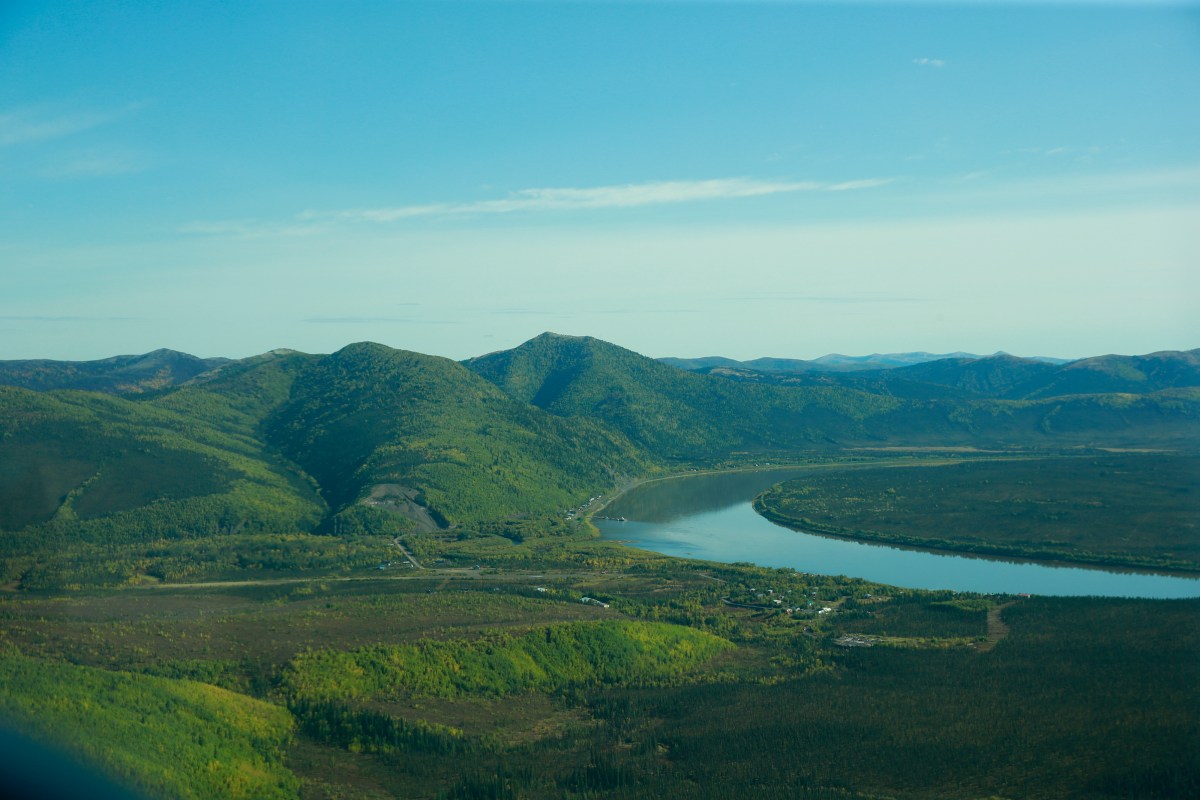
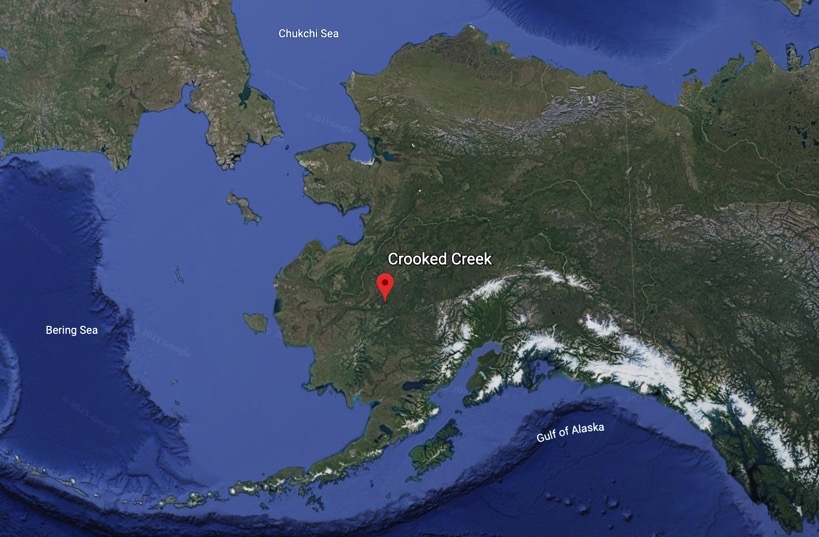
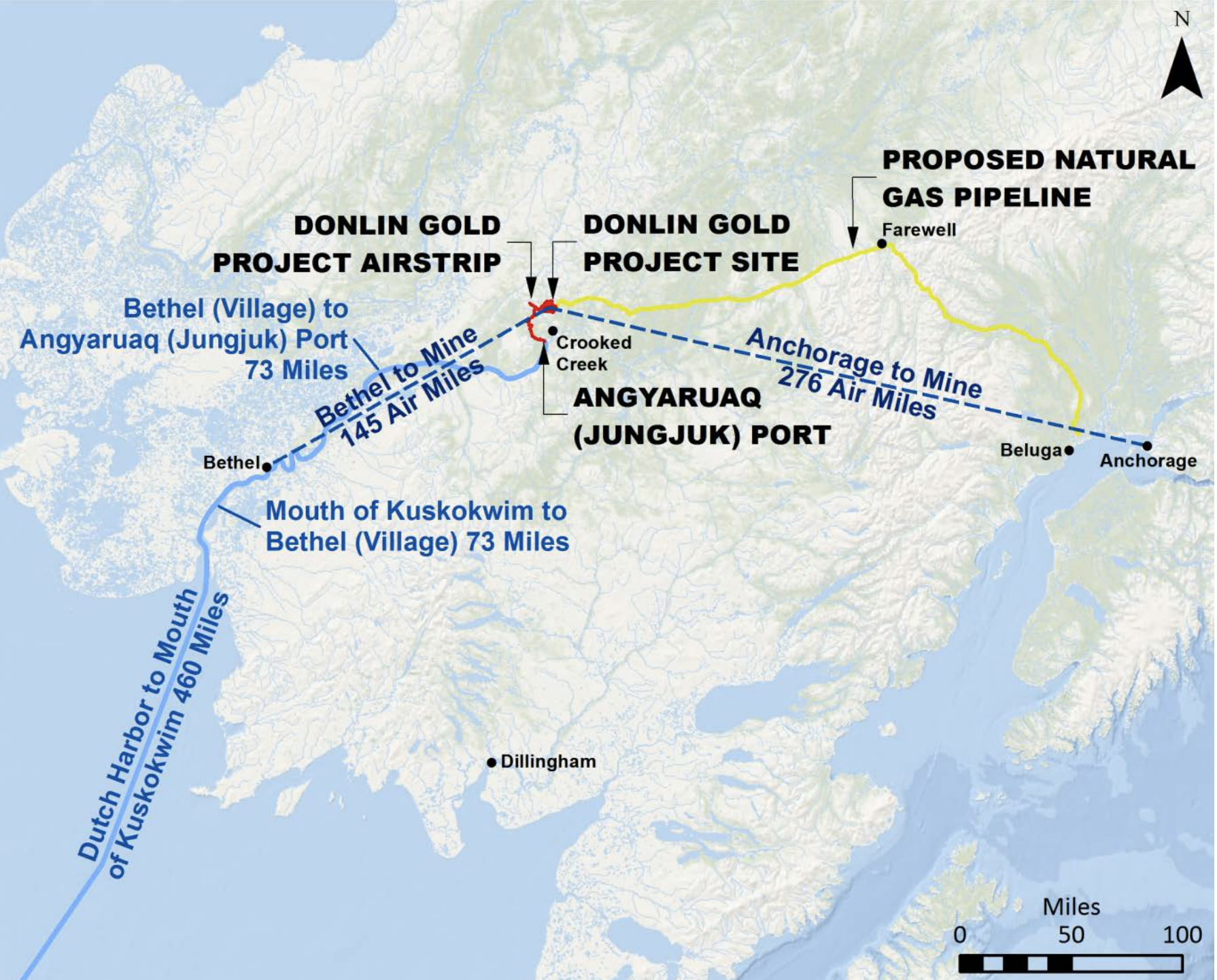
The proposed mine site is on Crooked Creek, a tributary of the Kuskokwim River, 275 miles west of Anchorage. The site is owned by two Alaska Native for-profit corporations: Calista and The Kuskokwim Corporation.
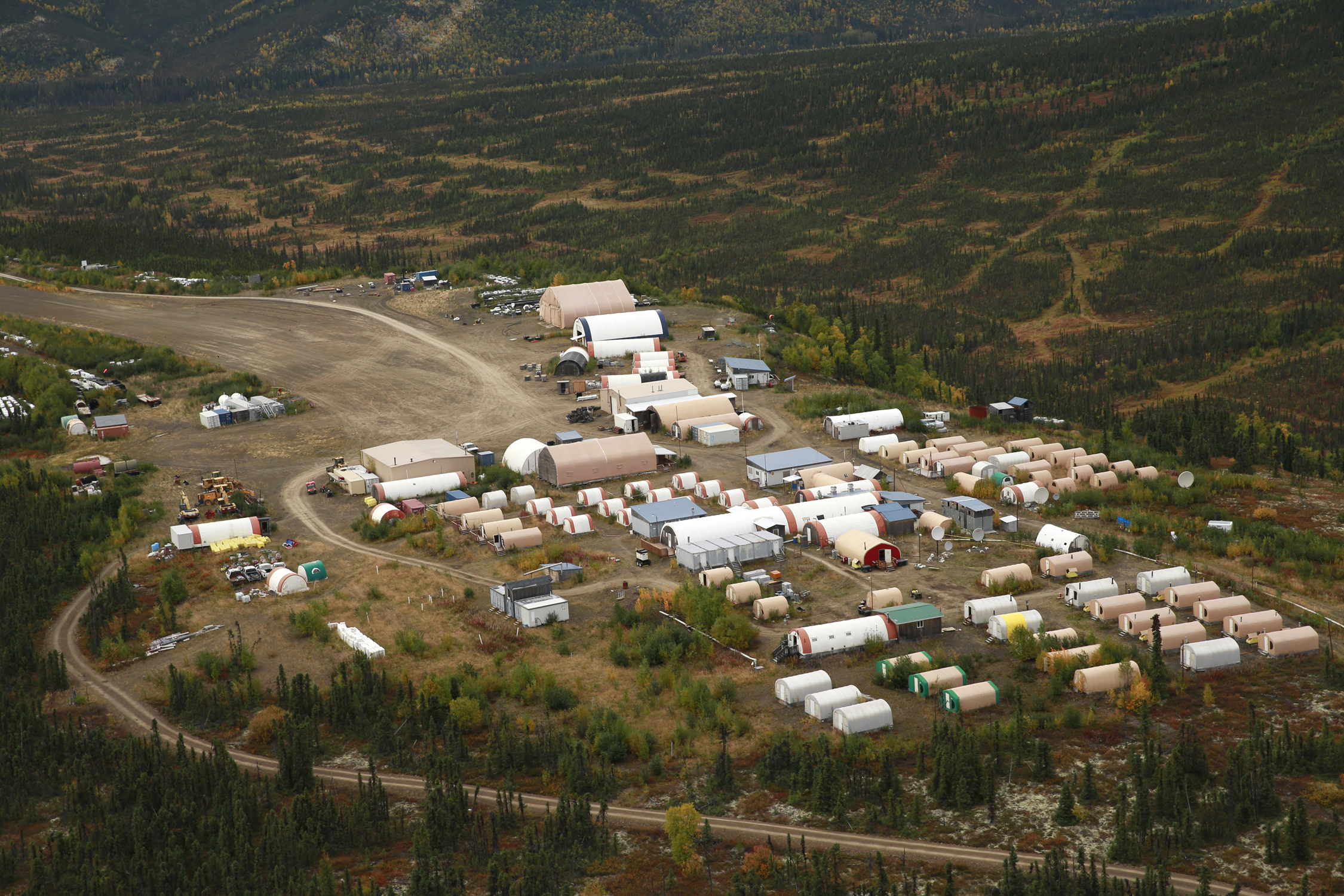
If the project proceeds, the mine holds estimated reserves of 33 million ounces to be mined over 27 years. The project calls for 3.1 billion tons of waste rock to be excavated from an open pit mine 2.2 miles long, a mile wide, and up to 1,850 feet deep. The project also calls for construction of facilities such as a port, an airstrip, a 300-mile gas line, roads, waste rock and tailings storage facilities, water treatment and power plants, and dams and reservoirs.
The lawsuit challenges the U.S. Army Corps of Engineers’ permit allowing filling of wetlands, and a right-of-way authorization issued by the Bureau of Land Management and Department of Interior allowing a natural gas pipeline to be built to power the mine.
Three Yup’ik tribes in the Kuskokwim region — Orutsararmiut Native Council, Tuluksak Native Community, and Organized Village of Kwethluk — and Earthjustice initially filed the suit on April 5, 2023.
Kwigillingok
The Yup’ik Native Village of Kwigillingok Council passed a unanimous resolution opposing the mine in 2018. In its resolution, Kwigillingok expressed concern that negative impacts to salmon and other fish species could harm villagers’ cultural, traditional, spiritual and economic well being now and for future generations.
“With climate change, salmon bycatch from pollock factory trawlers and other factors that are causing salmon declines, it’s become even more important for us to protect salmon and other natural resources that we depend on for our existence,” said Native Village of Kwigillingok President Gavin Phillip, Yup’ik, in a prepared statement.
“We have been opposed to the Donlin Gold mine for years, but we don’t feel our concerns have been heard. The process of gathering comments was not sufficient for us and traditional knowledge was not adequately incorporated in the environmental studies,” he said.
Phillip said, “So many things could go wrong. One example is the pit lake to hold the mine’s toxic waste that will need to be treated in perpetuity. That’s not an easy pill to swallow, to think that it will always be contaminated. Eventually, it will fail or be affected by runoff. If this project goes through, our children, grandchildren and many more generations will pay, and Donlin Gold will walk away with their money.”.
Chevak
The Cupʼik village of Chevak also joined the suit.
“All through this process, we have not had adequate consultation regarding the irreversible risks the Donlin mine poses to our region,” said Second Chief and council member of Chevak Native Council Richard Slats, Cup’ik, in a prepared statement.
“Consultation on projects this big and far-reaching must be inclusive of every village. There are 56 Tribal Communities in the Yukon Kuskokwim Delta, including 13 downriver from the proposed site which would be directly affected by a disaster at the mine,” he said.
“This would be one of the biggest pure-gold mines in the world, in an area that is critical to our past and our future. Donlin Gold, the company developing the mine, says it’s working with stakeholders in the region to build safely and responsibly but many of us in the region do not feel comfortable with this moving forward. But Donlin has been moving forward anyway,” Slats said.
Earthjustice
EarthJustice said in a prepared statement, “The lawsuit targets flawed environmental and subsistence studies and permits for the mine that are deficient in three main areas:
1) The Final Environmental Impact Statement downplays and does not fully disclose health impacts from the mine identified in a health impact assessment done by the State of Alaska;
2) The impact statement failed to consider how a catastrophic spill from the tailings dam would irreparably harm the region’s people and its environment and subsistence resources;
3) When the Corps issued its permit, it violated the Clean Water Act by not protecting rainbow smelt from increased barge traffic on the Kuskokwim River. Rainbow smelt are critical for human subsistence and are also an integral part of the river ecosystem, especially as a prey species for declining salmon stocks.”

The lawsuit asks the court to invalidate the federal authorizations for the Donlin project and to require federal agencies to identify and require measures to prevent predicted harms to rainbow smelt from Donlin’s barges.”
Earthjustice and tribes including Chevak have also filed a state lawsuit opposing the state right-of-way lease across state land.(See the Earthjustice case website).
Related:
— Tribes file suit to halt massive Alaska gold mining project
— Alaska affirms water certificate for proposed Donlin mine
— Proposed Alaska gold mine worries area tribes
— Tribal lawsuit puts Donlin gold project in question
Donlin Gold
Donlin Gold LLC has joined the lawsuit as an intervenor, or a party that will be affected by the outcome. It said in an email it’s working to develop the project and bring economic opportunities to the region. General Manager Dan Graham of Donlin Gold said the company is doing this, “through regular consultation with our landowners Calista Corporation and The Kuskokwim Corporation, communities, tribes, and other entities in the Yukon-Kuskokwim region, regardless of their stance on the project.”
He said it has held “hundreds of public meetings to encourage open engagement and create opportunities for residents of the region to share their concerns and questions. We have a longstanding history of investing in the region’s communities to share our values of safety, environmental stewardship, community wellness, cultural preservation and education.
“While we are disappointed (two more villages joined the lawsuit), we continue to extend invitations to have open dialogue about concerns, questions and information, and we don’t see that changing,” Graham said. “Our goal is to be a good neighbor and follow through on our community investments and continue to review and update the safeguards to the environment where appropriate as we work toward advancing the project in a safe and responsible manner.”
Calista
Calista Corporation also has joined the lawsuit as an intervenor, or a party that will be affected by the outcome. Calista Vice President for Corporate Affairs Thom Leonard, Cup’ik, said the company does not comment on pending litigation, however, he shared comments, including the following.
“Formed under the Alaska Native Claims Settlement Act, Calista is dedicated to promoting the economic well-being of our Alaska Native shareholders, many of whom are also tribal members. Each of our board directors are also tribal members,” said Leonard in a statement.
“Calista respects our tribes. We live the same values with respect to ensuring protections for the resources, especially salmon, that are the foundation of our traditional subsistence way of life. This is why we are committed to ensuring that the Donlin project is implemented in a way that does not compromise our environment or our subsistence-based way of life,” Leonard said.
He said the Yukon-Kuskokwim region is characterized by few economic opportunities, a high cost of living, high unemployment, and low incomes. He said even subsistence is becoming unsustainable due to the high cost of equipment and supplies. “Many people are therefore left unable to find economic opportunities or provide for themselves or their families through subsistence,” he said.
“Consistent with the vision and wisdom of our Elders, as the steward of the mineral resources for the Yukon-Kuskokwim Region, it has always been Calista’s priority to balance economic development needs with environmental protection and the preservation of subsistence practices,” Leonard said.
The Kuskokwim Corporation
President and CEO Andrea Gusty, Yup’ik, with The Kuskokwim Corporation, said in an email, “the Donlin project has undergone a thorough review and approval process, including with Calista. The Environmental Impact Statement and the permit were the culmination of this extensive process, which involved significant input from Calista and our shareholders, other Alaska Native corporations, tribes, communities, and other in-region stakeholders. This process continues with the state of Alaska’s permitting of the Donlin project. This process has ensured the project will avoid impacts to the utmost extent possible, and will include extensive oversight, monitoring, adaptive management, and mitigation measures.
“The Kuskokwim Corporation’s (TKC’s) priorities are, and always have been, supporting our Shareholders and protecting our land,” Gusty said. “We support development of our resources when it can be done in a responsible way. While we have no control over the state or federal permitting processes, we believe TKC’s contractual rights to oversight of the proposed Donlin Gold project add a layer of protection for our people and the resources they rely upon.
“TKC feels that the permitting process to date has been thorough and viable, and we will continue in our role of oversight of our lands and transparent information distribution,” she said.
“We feel that any challenges to the permitting process allow for robust information sharing about the extensive studies that have gone into the permitting process,” Gusty said.

ICT is a nonprofit news organization. Will you support our work? All of our content is free. There are no subscriptions or costs. And we have hired more Native journalists in the past year than any news organization ─ and with your help we will continue to grow and create career paths for our people. Support ICT for as little as $10. Sign up for ICT’s free newsletter.
