Sandra Hale Schulman
Special to ICT
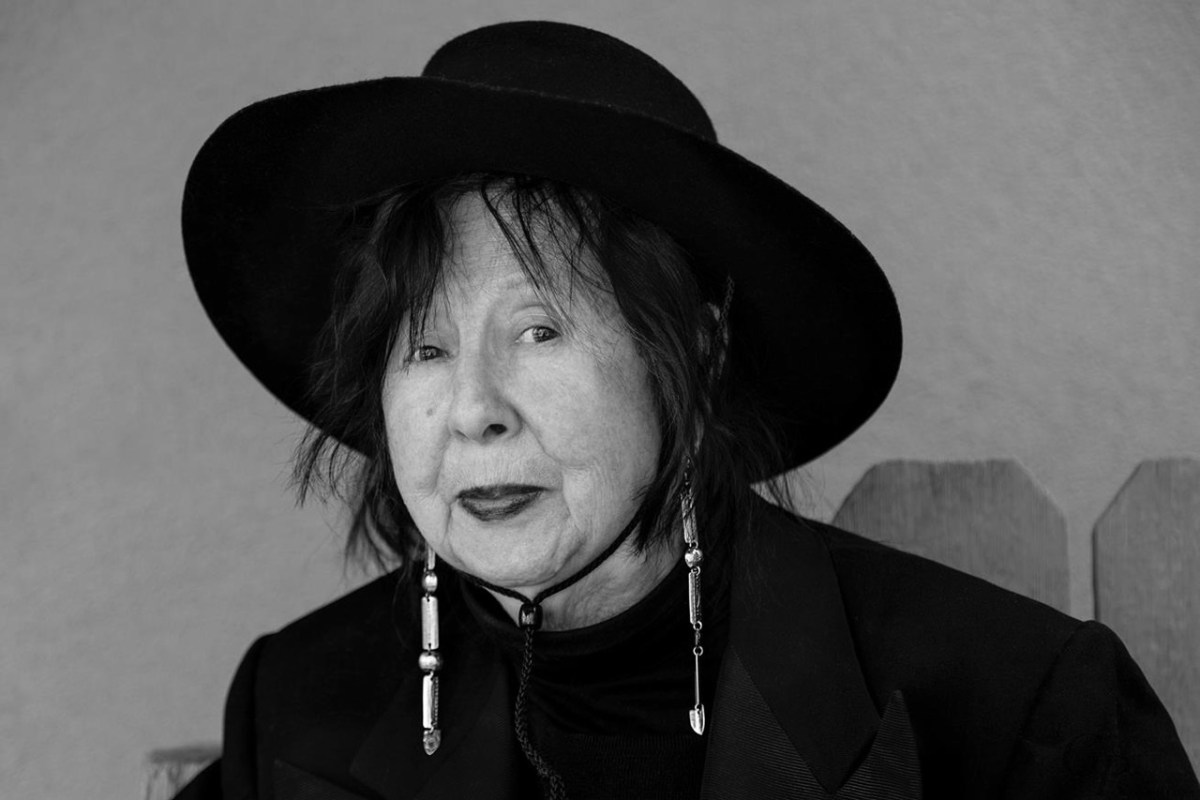
Jaune Quick-to-See Smith – a groundbreaking artist, activist, curator and educator – died Jan. 24 of pancreatic cancer, her New York City gallerist, Garth Greenan, has announced. She was 85.
Smith, a citizen of the Confederated Salish and Kootenai Nation, had been an artist for more than 50 years and was the first Native woman to have a blockbuster solo show at the Whitney Museum of American Art in New York City in 2023.
SUPPORT INDIGENOUS JOURNALISM. CONTRIBUTE TODAY.
Her works are included in collections in virtually every major museum in the United States — an unprecedented honor – and in 2020 she became the first Native American artist to have a painting purchased by the National Gallery of Art.
She humorously said she “broke the buckskin ceiling.”
“She changed the world. That’s simply true,” Choctaw/Cherokee artist Jeffrey Gibson, whose work was the subject of a solo show at last year’s Venice Biennale, said in a Facebook post on Tuesday. “She was always kind, generous, intentional and just a fierce advocate for all of us. She will be sorely missed but her spirit will continue to live within many of us.”
To Smith, he wrote, “I met you about 30 years ago and was lucky enough to be in your presence many times and always walked away having learned something new and deeply meaningful. Thank you Jaune.”
Over the past three years, the Zimmerli Art Museum had been collaborating with Smith on her curation of “Indigenous Identities: Here, Now & Always.” The exhibition is set to open as planned on Saturday, Feb. 1 , at the museum at Rutgers University in New Jersey.
Featuring the work of 97 artists representing 74 Indigenous nations and communities across the United States, the Zimmerli exhibition marks Smith’s most ambitious curatorial undertaking and reflects the expansive community of Native artists who Smith convened and uplifted throughout her long career.
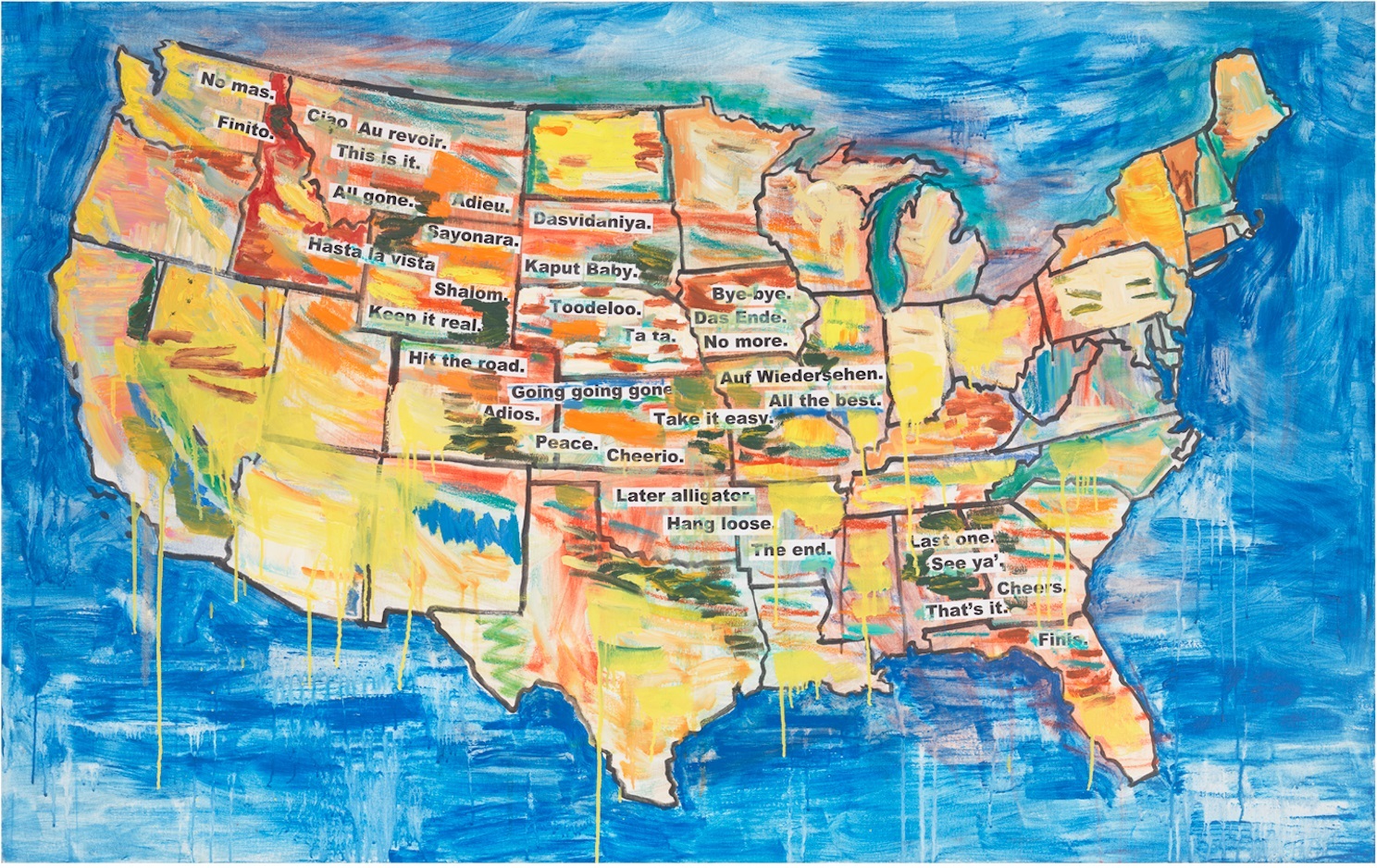
Paired with a separate show of Smith’s own work from the Zimmerli’s collection, the two exhibitions are a testament to her groundbreaking and impactful artistic and curatorial practices, examining the complexities of Indigenous identity through wit and provocation.
“Jaune’s legacy is immeasurable,” said Maura Reilly, director of the Zimmerli. “She was a trailblazer who ceaselessly endeavored to challenge assumptions around Indigenous identity and contemporary Native American art. She championed justice, amplified Indigenous narratives, and inspired countless individuals to use their voices and creativity to enact change. Many of those voices are on display in ‘Indigenous Identities.’”
Reilly said she and Smith began discussing the project more than a decade ago.
“It has been an honor of a lifetime to make space for her to realize her vision at the Zimmerli,” she said. “We join the world in mourning the loss of an extraordinary artist and visionary.”
Despite her late career success, Smith had told ICT that her road had been difficult.
“Being a painter or a printmaker or any kind of artist is a hard job and not one that society deems is necessary,” she told ICT in 2023. “Society treats artists like parasites on society, like we just sit around and play and don’t really do any work. When I’ve hired someone to come and do electrical work at my studio or fix the roof and they ask what I do, I lie and say I’m a teacher and if they ask what I teach, I say cultural history or social studies.
“Because if I say I am a painter, they tell me about their grandmother or their aunt who paints landscapes or pictures of their dog,” she said. “Then I know I’m sunk, (that) anything I say after that is going to be quicksand.”
But don’t look for meaning in her moniker. Quick-to-See Smith said her name was not visual-art related.
“My name is an old family name. It doesn’t have anything to do with art,” she said. “It is not about seeing art; it is about insight. I’ve been making art as far back as I can remember. When I was in the first grade, I didn’t know the word artist; I had never heard that word. I didn’t know anything about it. I just knew that it was my zone — I wanted to be where I could use those materials.”
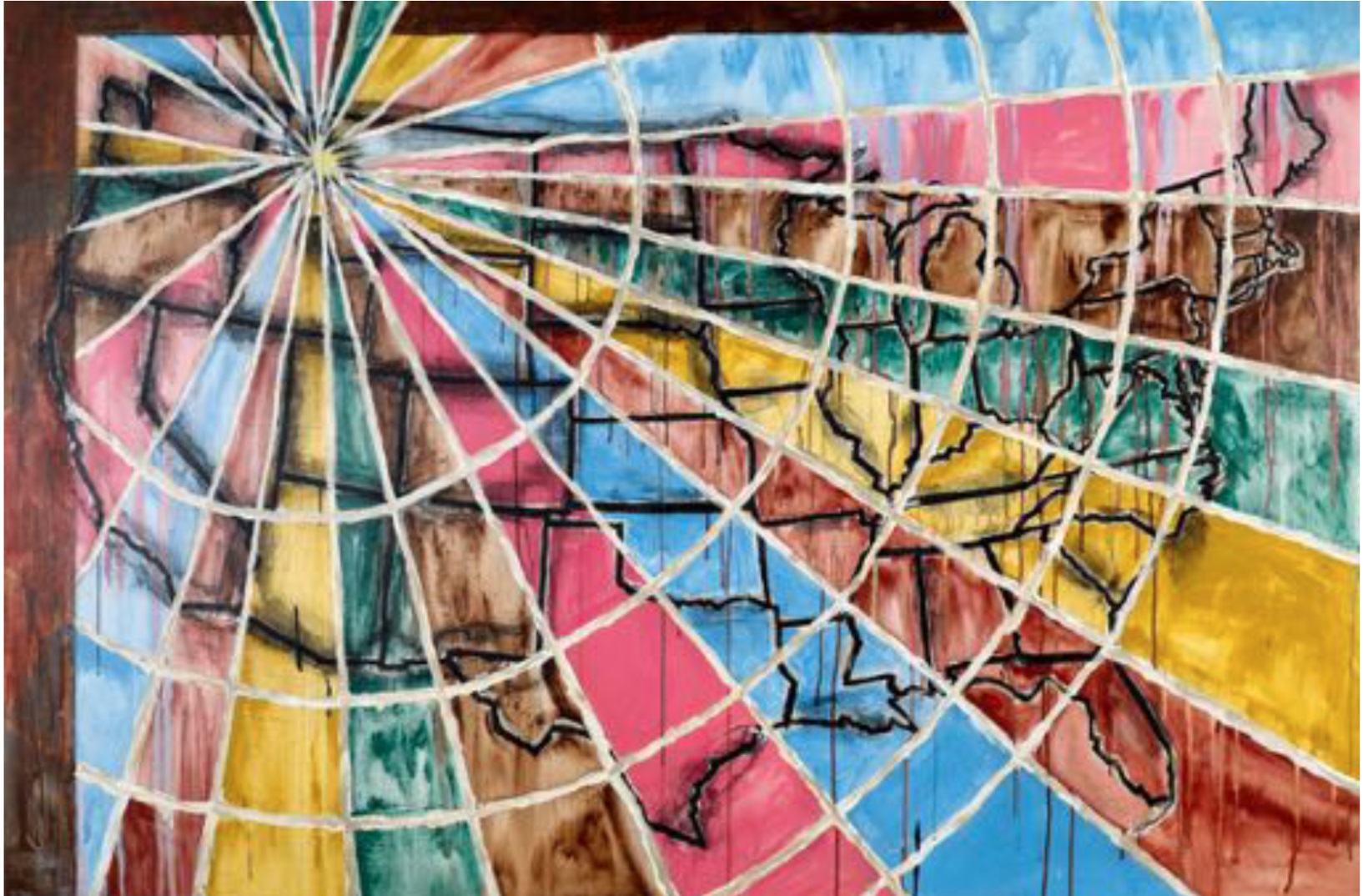
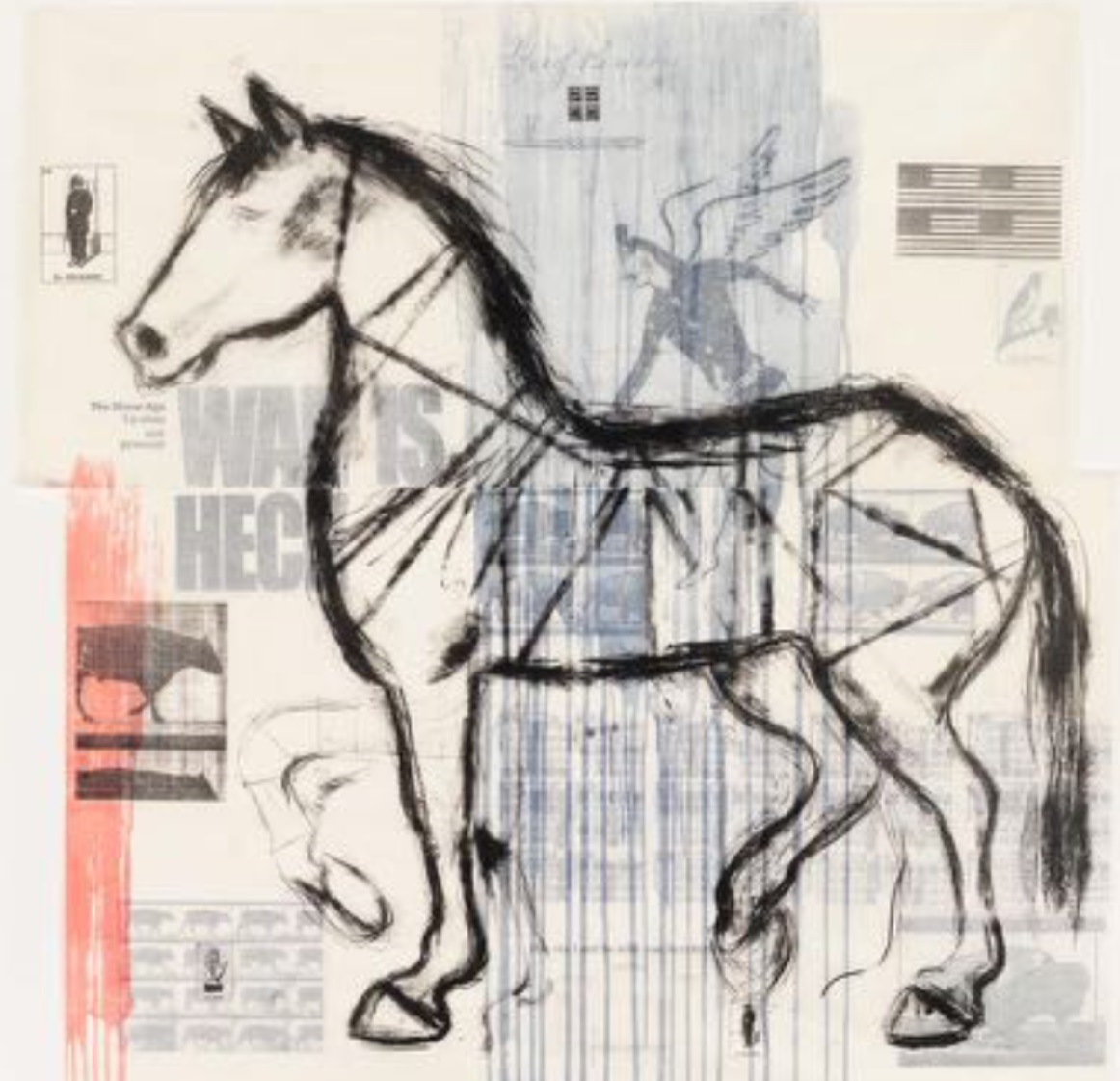
Her vibrant artworks feature maps, paintings, and other materials that she often pairs with objects such as canoe paddles and small globes to become sculptures. Words and collages add to the multimedia work she calls landscapes.
“The maps that I’ve been doing, I see them as landscapes, and they all tell stories,” she said at the time. “My art practice has grown over the years. I always see my works as inhabited landscapes. From early pastel abstract swaths of color to where we are now, even figures, to me it is still landscape.”
Smith lived in Corrales, New Mexico, north of Albuquerque, in a small farm community of about 15,000 people. She is survived by her son, Neal Ambrose Smith, a painter, sculptor, printmaker and professor at the Institute of American Indian Arts in Santa Fe.
In 2018, Smith collaborated with her son to create large wooden frames of canoes that hold physical objects: fry bread in one and single-use food containers and wooden crosses in the other. The works were exhibited at the Whitney retrospective.
In such a long life, Smith said she had the luxury to look back and learn.
“Being Indigenous and making art means that you are looking at the world through lenses that are curved or changed by your upbringing and by your worldview as an Indigenous person,” she said. “We get together and talk amongst ourselves about how we can change things or make things better — how we can put messages out there that have a relationship to the Indigenous world. Indigenous peoples believe that we live in harmony with all of the plants, animals, fishes, and cosmos. We really do believe that. So that’s the first thing that is really distinct in our work and in what we present to the public.
“The creator, inventor, satirist, must show the flip side of things,” she said. “What makes us do this is a good question. We can’t help ourselves. We have to do this. Coyote makes us do it.”

Our stories are worth telling. Our stories are worth sharing. Our stories are worth your support. Contribute today to help ICT carry out its critical mission. Sign up for ICT’s free newsletter.