

Sandra Hale Schulman
Special to ICT
The Screen Actors Guild officially went on strike early Friday, July 14, effectively shutting down Hollywood and threatening to cut off production of Native film and streaming projects for the coming year.
The actors’ strike, which went into effect at 12:01 a.m. Pacific Time Friday, comes more than two months after the Writers Guild of America went on strike and marks the first joint strike in more than 60 years.
SUPPORT INDIGENOUS JOURNALISM. CONTRIBUTE TODAY.
It likely won’t affect the release of movies through the end of the year but puts into question production work that is set to begin for the following year. It also brings a halt to all promotional appearances, interviews for films, screenings and award shows, and could impact the Emmy Awards in September.
The heart of the contract issues are over new contracts with studios and streaming services as the industry has been upended financially by the rise of streaming.
“A strike is an instrument of last resort,” said Duncan Crabtree-Ireland, executive director of the Screen Actors Guild-American Federation of Television and Radio Artists.
Native actors have been voicing their support online for weeks.
Actress Sarah Podemski, Anishinaabe/Ashkenazi, who can be seen on the upcoming final season of “Reservation Dogs, said on Instagram that she is considering taking a break from streaming services.
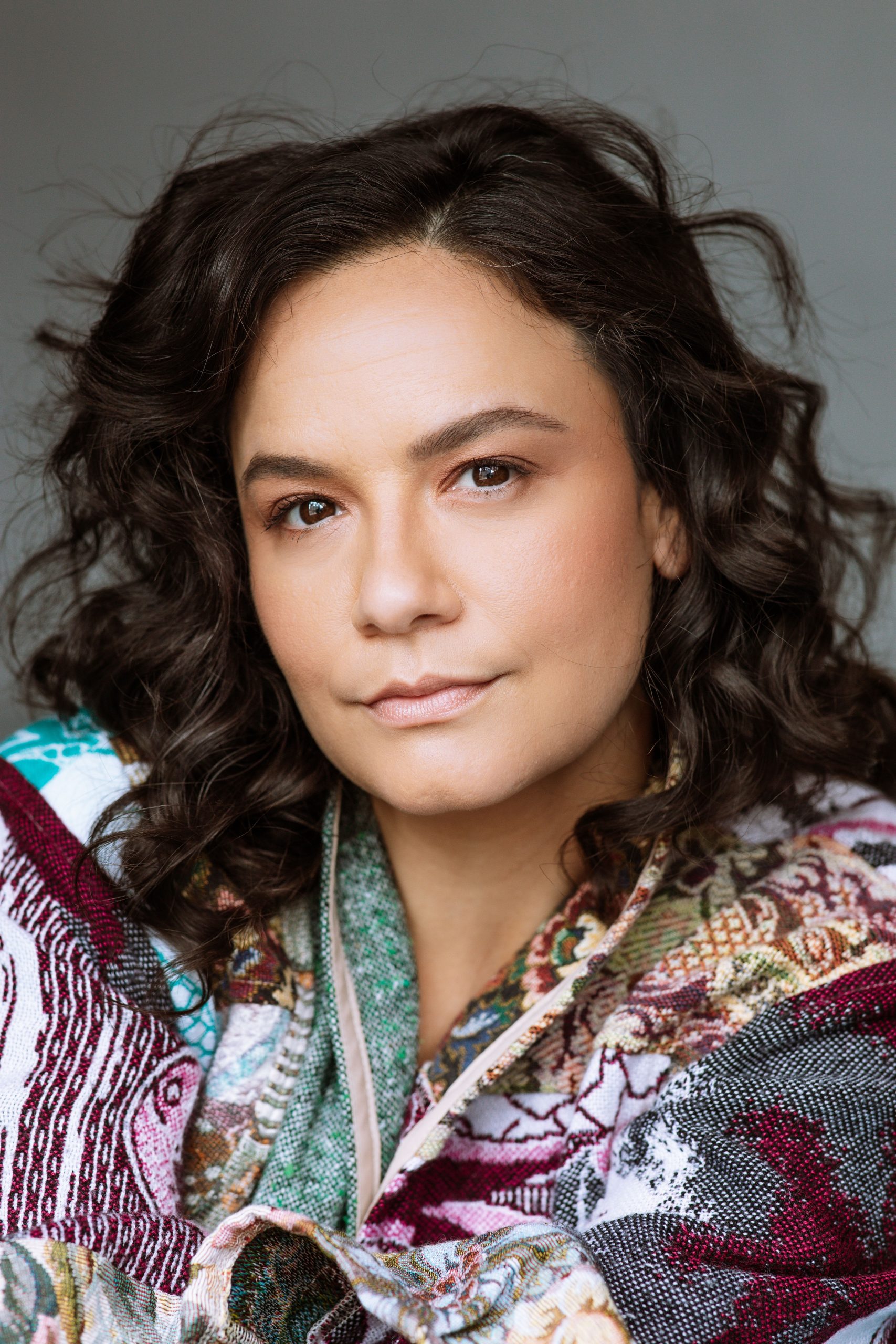
“It’s a shame they aren’t interested in negotiating a fair deal for the very people who are responsible for making their content and making them money,” she posted. “This is the future, and if you think you aren’t affected because you aren’t in the entertainment industry, you are wrong. Every single one of us is being taken advantage of by these corporations. All to make more money for the ultra-rich and keep us begging and killing ourselves to make a buck.”
She continued, “This…isn’t a conspiracy anymore. This is the world we are living in. Such a shame and a really sad day for every single person who will be affected by this strike. Just really [expletive] sad about all of it.”
Kiowa Gordon, Hualapai, who will be returning on “Dark Winds” in August, has been posting on Instagram for weeks.
“Let’s [expletive] go!” he posted. “It’s time for a new deal for everyone in Hollywood.”
Jhane Myers, Comanche, producer of “Prey,” has just seen her film nominated for six Emmy awards, a beyond-proud moment for the sci-fi genre “Predator” film that features a Native woman played by Amber Midthunder in the lead role.
But now the strike will hold up any sequel planning as well as possibly cancel the big Emmy Awards show slated for Sept. 18.
“Sometimes when there are strikes, they don’t have the Emmys just to be in solidarity,” Myers told ICT before the strike was announced. “That would be disappointing if we didn’t have it. But of course, you know, what’s important is that … everybody works, and everybody gets equality and recognition. But it would be disappointing.”
New technology
SAG-AFTRA leadership had voted for work to stop within hours after their contract expired on June 30, but had agreed to extend negotiations through July 13.
Then talks broke off with the Alliance of Motion Picture and Television Producers, which is representing Disney, Netflix, Amazon, Hulu and others.
“Employers make Wall Street and greed their priority and they forget about the essential contributors that make the machine run,” said SAG-AFTRA President Fran Drescher, an actress best known for starring in “The Nanny.”
Drescher said the two-week extension of contraction negotiations made members “feel like we’d been duped, like maybe it was just to let studios promote their summer movies for another 12 days.”
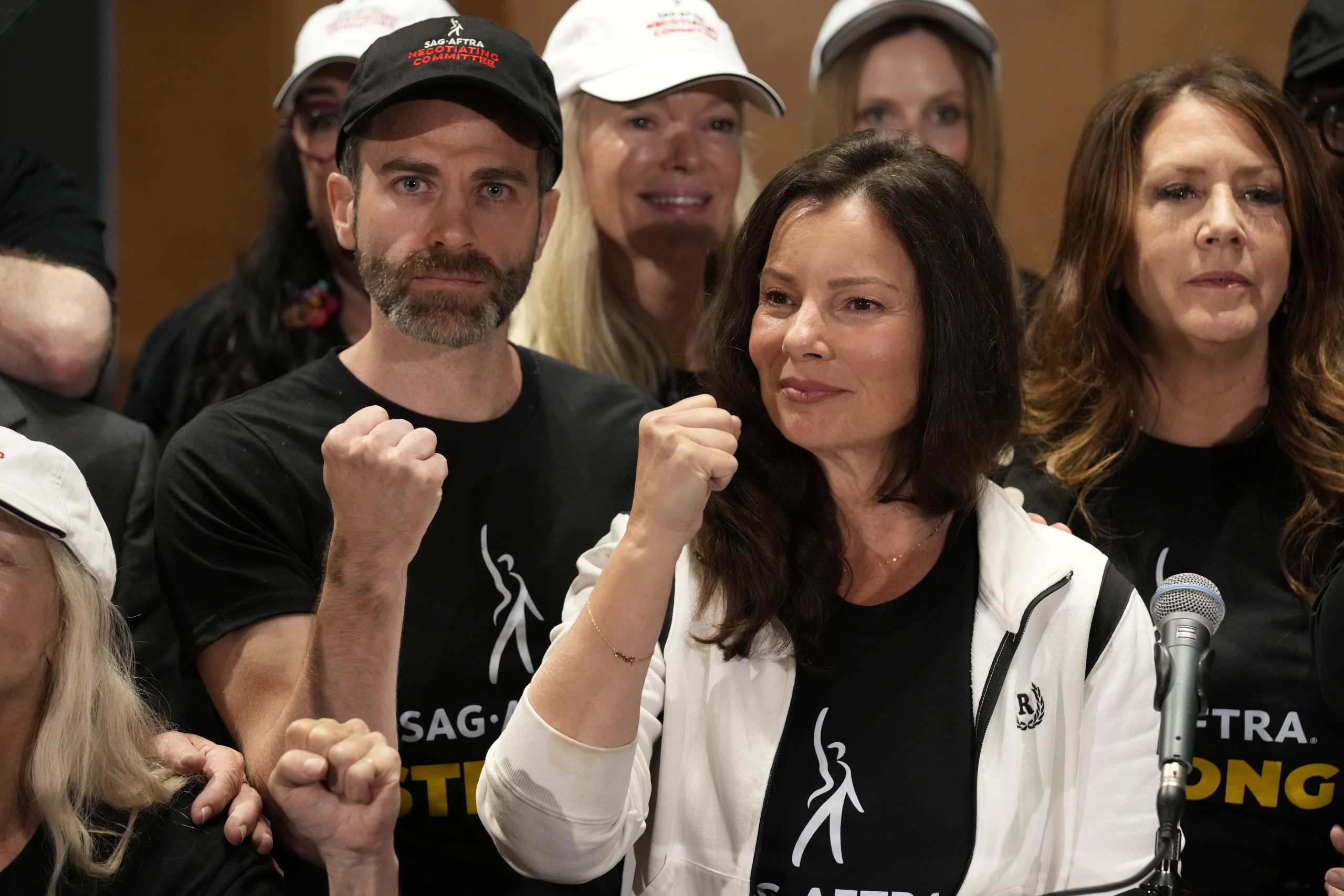
The last time actors went on strike was in 1980 in a 90-day walkout over the new profits from home videocassettes and on-demand pay television. In dramatic terms, this is a high-noon showdown that will affect the industry for months to come.
It marks the first time actors and writers have been on strike together since 1960.
The official strike notice instructs all SAG-AFTRA members ‘to cease rendering all services and performing all work covered by the TV/Theatrical Contracts. ALL COVERED SERVICES AND PERFORMING WORK UNDER THE TV/THEATRICAL CONTRACTS MUST BE WITHHELD, including, but not limited to: Principal on camera work, such as acting, singing, dancing, performing stunts, voice acting, narration and other services by members.”
SAG-AFTRA represents more than 160,000 screen actors, broadcast journalists, announcers, hosts and stunt performers, but the strike only affects the union’s 65,000 actors from television and film productions.
The Writers Guild of America, which represents 11.500 writers in film, television, radio, and online media, went on strike May 2.
Technological advances are at the heart of the strike, going back to kinescope recordings, television, cable TV, videocassettes, then DVDs, and now the internet streaming have all changed and affected how actors are compensated.
Streaming services have been ordering shorter shows along with expanding their business overseas, which cuts into lucrative licensing royalties. Inflation, fewer benefits, and the new threat of the extreme use of artificial intelligence are contributing factors.
‘Financial hardship’
Industry officials were predictably critical of the strike decision.
Disney chief Bob Iger said in an appearance on CNBC that an actor’s strike would have a “very damaging effect on the whole industry.”
“’This is the worst time in the world to add to that disruption,” Iger said. “There’s a level of expectation that (SAG-AFTRA and the Writers Guild of America) have that is just not realistic.”
The Alliance of Motion Picture and Television Producers issued a statement saying leaders are disappointed in the breakdown.
“This is the Union’s choice, not ours,” according to the statement. “In doing so, it has dismissed our offer of historic pay and residual increases, substantially higher caps on pension and health contributions, audition protections, shortened series option periods, a groundbreaking AI proposal that protects actors’ digital likenesses, and more.”
Officials added that “SAG-AFTRA has put us on a course that will deepen the financial hardship for thousands who depend on the industry for their livelihoods.”
This article contains material from The Associated Press.

Our stories are worth telling. Our stories are worth sharing. Our stories are worth your support. Contribute $5 or $10 today to help ICT carry out its critical mission. Sign up for ICT’s free newsletter.

