
Joaqlin Estus
ICT
ANCHORAGE, Alaska — The Native Village of Chitina (NVC) is calling for the protection of ancestral burial sites discovered in and near the Copper River Road state right-of-way, which passes through Chitina Native Corporation privately-owned lands.
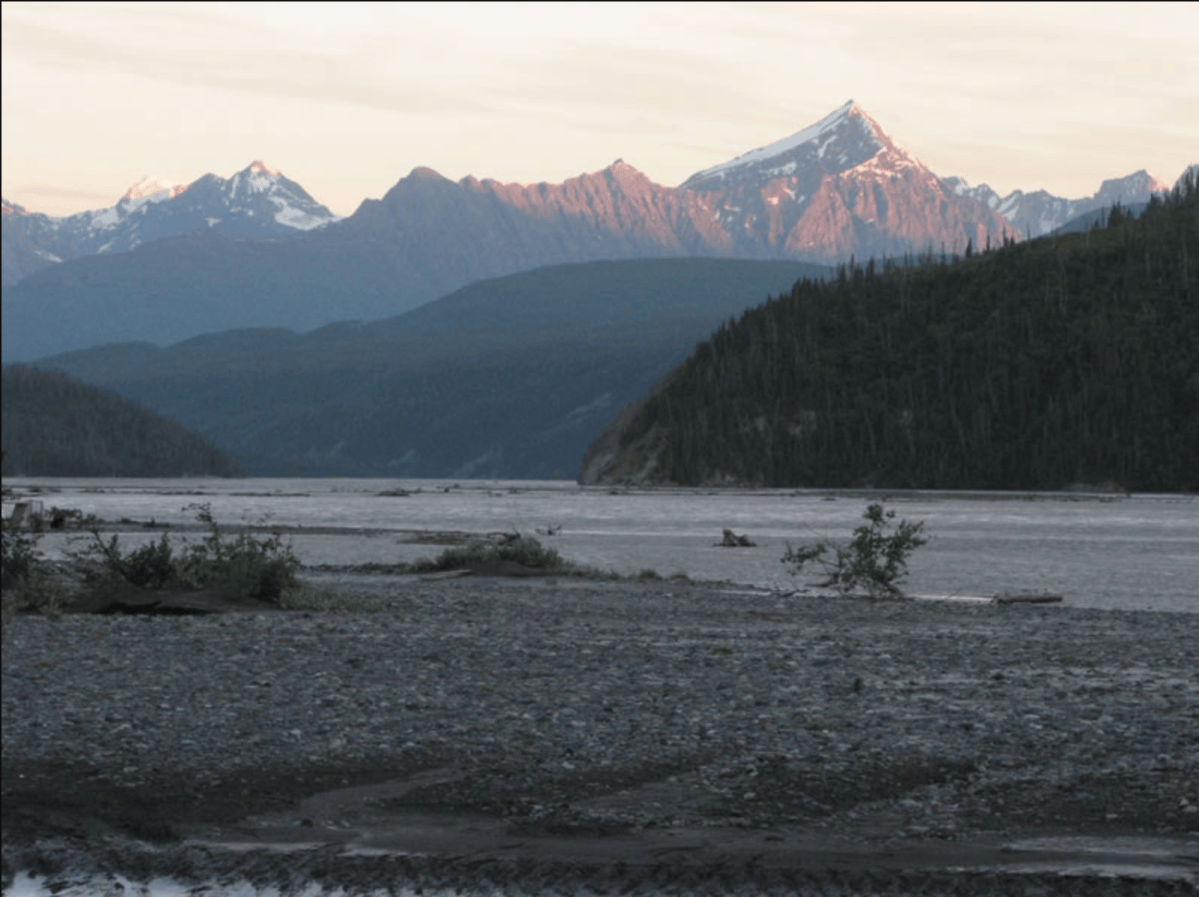
The Native village is in eastern interior Alaska about 176 miles by road from the Canadian border. The right-of-way in question provides one of the few ways to reach the Copper River for a popular dipnet fishery that usually opens in early June. The Chitina village corporation and the regional for-profit corporation, Ahtna, Inc., have long grappled with handling trespassing on their lands.
In a prepared statement, the tribe said, “recent cultural resource investigation surveys conducted by the State of Alaska have revealed multiple Ahtna ancestral burial sites in the O’Brien Creek area, part of the Deyighił’aaden (Wood Canyon) Cultural District.”
The tribe continued, “these gravesites, integral to the heritage and identity of the Ahtna people, are under threat due to frequent use of the area by fishers, recreationists, and others. Compounded by the proximity of some sites to the roadway, they have endured decades of vehicle and foot traffic.”
Tribal President Corina Ewan, who is Ahtna Athabascan, pointed to the sacred nature of the burial grounds, stating, “We never disturb or move graves. This is engee (taboo) in our culture. We owe it to our Tribe’s ancestors to honor their resting places with utmost respect and protection.
“In light of these findings, the Native Village of Chitina has requested that the State of Alaska implement a road closure until all Tribal graves along the road are protected and further cultural studies have been completed to ensure the preservation of these sacred sites,” she said.
The statement continued, “Ewan emphasized the necessity of the road closure until cultural studies are completed, stating, ‘Graves have been discovered, and we are working to find a respectful solution. We are collaborating with the State of Alaska to remedy the situation.’”
Further, “the Native Village of Chitina implores the public to respect these cultural resources and adhere to state laws protecting artifacts and sites on federal, state, and Native lands. The NVC asks all individuals to leave artifacts undisturbed and report their findings to the NVC,” the statement reads.
Situated near the confluence of two rivers, the road is accessible from both Anchorage and Fairbanks. However, use extends far beyond the state’s two largest communities, according to a biologist with the Alaska Department of Fish and Game. Last year Mark Somerville told KTVF in Fairbanks, the personal use and subsistence fisheries at the site “are both utilized by people all across the state.”
He said the site’s importance as a food source has grown in recent years. “Quite a number of people that can no longer get kings on the Yukon (River) in the subsistence fishery, come down to the Copper River and fish the Copper River for king salmon.”
“We get people all the way from southeast (Alaska) and as far up as Utqiagvik (formerly Point Barrow) that come down and fish the Copper River. A lot of king salmon caught there are shipped up to places on the Yukon and Kuskokwim (rivers) where they’re having difficulties with those fisheries,” Somerville said.
The state Department of Natural Resources, which manages historical and archeological sites, declined to comment on the tribe’s request and referred ICT to the Alaska Department of Transportation and Public Facilities (DOT&PF).
Transportation spokesperson Shannon McCarthy told ICT in an email, “We acknowledge the ongoing concern regarding the potential for ancestral burial sites located within the O’Brien Creek area along the Copper River Highway. The DOT&PF holds great respect for the cultural significance of these areas to the Ahtna people and recognizes the sensitivity and importance of preserving these sites.
“We understand the concerns raised about the potential impacts from the current roadway alignment, and are prepared to continue working on solutions in close collaboration with the Native Village of Chitina and other relevant stakeholders,” the email continued.
“We are optimistic that, working together, we can protect culturally significant sites and ensure the safe passage of people along Alaska’s public right of way,” the agency said.
The Chitina Dipnetters Association said it will hold off on commenting until it has learned more about the tribe’s request.

Our stories are worth telling. Our stories are worth sharing. Our stories are worth your support. Contribute $5 or $10 today to help ICT carry out its critical mission. Sign up for ICT’s free newsletter.

