
Stewart Huntington
ICT
A federal appeals court Tuesday sided with the Winnebago Tribe of Nebraska and ruled it will not revisit previous decisions that cleared the way for the tribe to bring home the remains of two boys who died at the Carlisle Indian Industrial School in Pennsylvania more than a century ago.
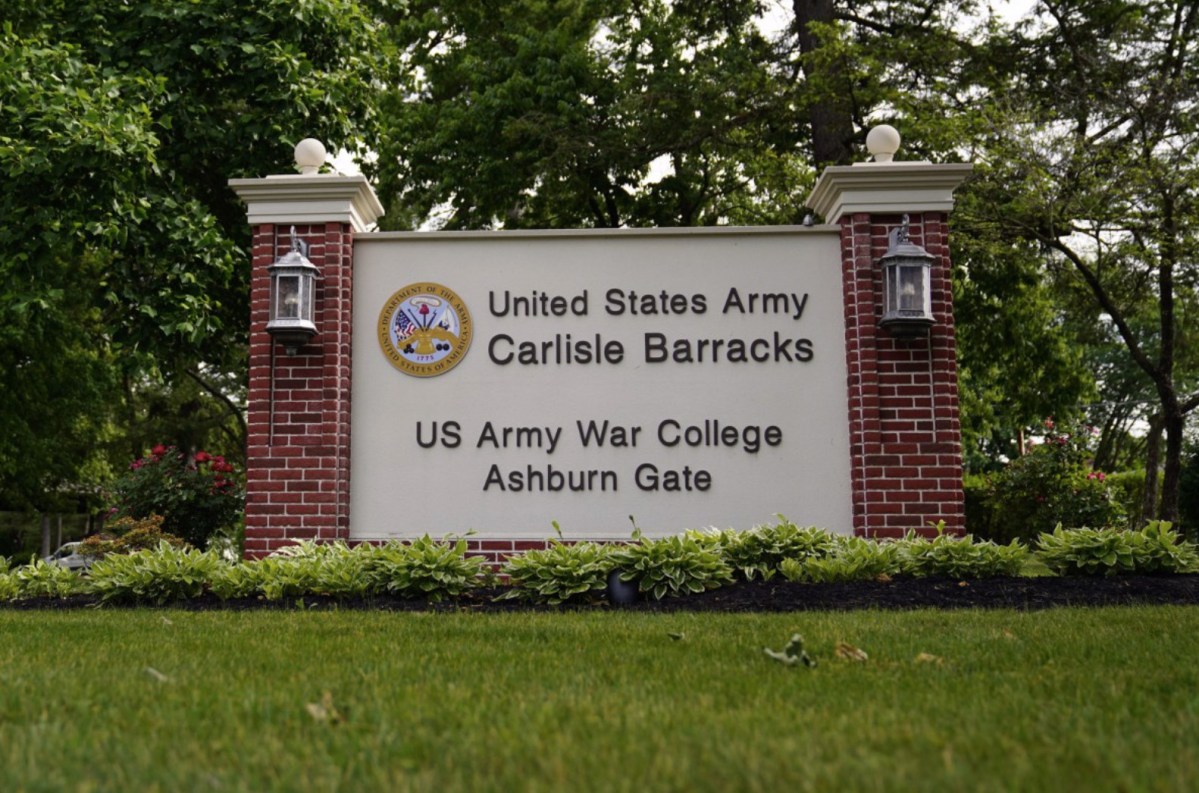
The action by the Fourth U.S. Circuit Court of Appeals in Chicago leaves in place the court’s May 14 decision holding that the Native American Graves Protection and Repatriation Act, or NAGPRA, applies to the remains of Samuel Gilbert and Edward Hensley, two Winnebago boys buried in the Army-run cemetery at Carlisle Barracks in Pennsylvania.
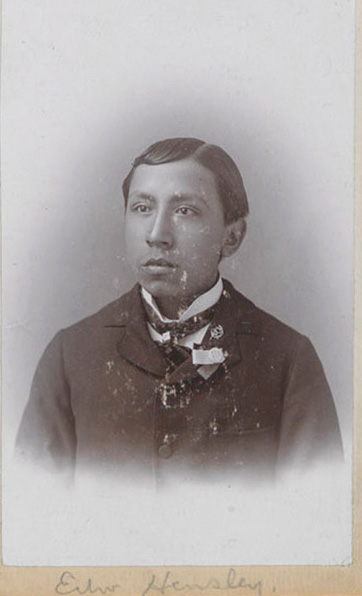
Writing for the court Tuesday, Judge Pamela Ann Harris said, “At the end of the day, the U.S. government kept and buried the remains of two Native American schoolchildren, Samuel Gilbert and Edward Hensley, without their families’ or tribe’s consent after forcing them from their homes and after they died in the government’s care. Nearly a century later, Congress passed a statute that, by its terms, entitles their tribe finally to bring their remains home and to bury them according to their tribal and religious traditions.”
Winnebago’s original suit came after the tribe received notice in December 2023 that the U.S. Office of Army Cemeteries had denied the tribe’s request for the remains to be returned under NAGPRA. The Army took over the school after it was closed in 1918 and asserted that only relatives could seek the return of students’ remains, according to the Army’s protocols. Tribes, including the Winnebago, have disagreed and asserted that NAGPRA provides that tribal customs and protocols must be followed in the process of returning remains.
On Tuesday, the federal court reiterated that it agreed. The denial of a rehearing in the case returns to the United States District Court for the Eastern District of Virginia, where the tribe will continue to press for the return of the boys.
“This is a very strong signal to the Army that it is time to bring these children home using the rights and processes Congress established for Tribal Nations under NAGPRA,” attorney Greg Werkheiser, co-counsel for the tribe, agreed. “Congress wrote one repatriation law for all federal agencies. The Army should not be permitted to write a different one for itself,” he told ICT.
In May, after the Appeals Court first ruled in the tribe’s favor, Winnebago Chairman Coly Brown said in a statement, “The Fourth Circuit’s ruling brings joy to the tribe. NAGPRA is an important statute our relatives fought for.”

