
Miles Morrisseau
ICT
First Nations leaders are calling for a public inquiry and resignations from senior provincial bureaucrats following the wildfire crisis that has destroyed two First Nations and threatens more.
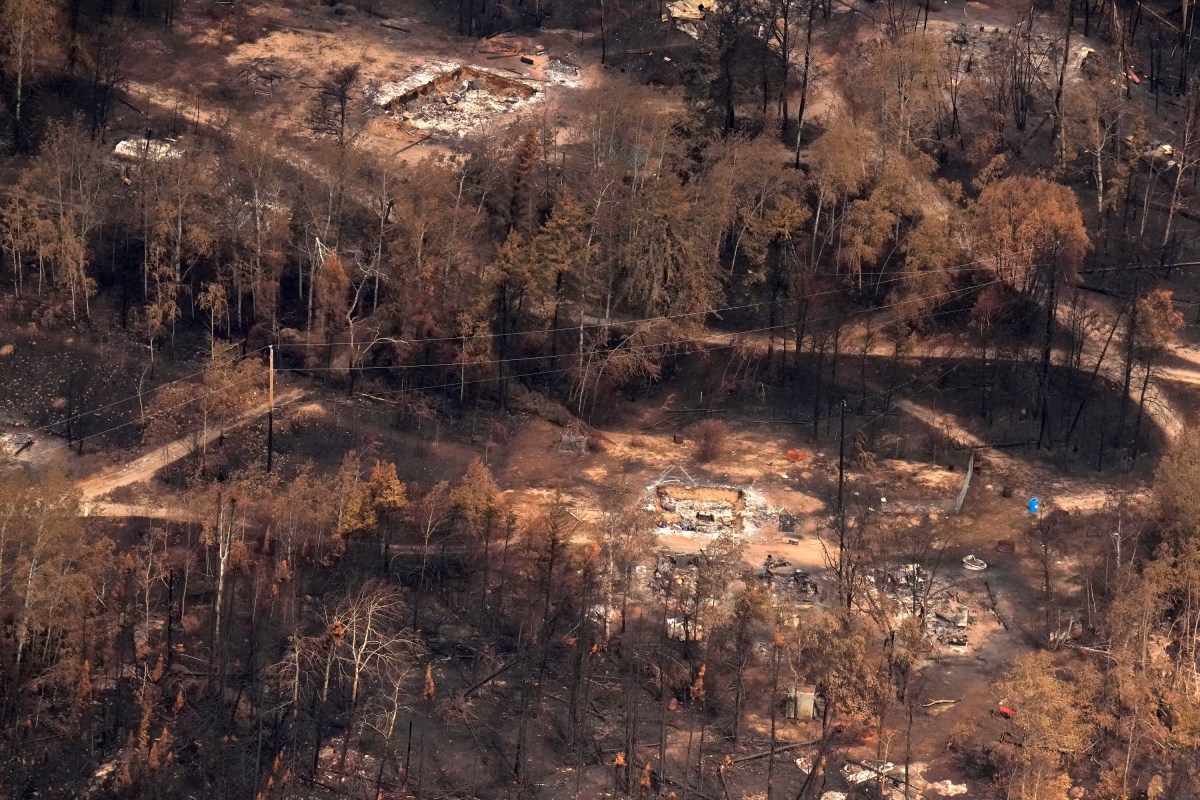
Namaygoosisagagun First Nation Chief Helen Paavola, a community which has been razed by the fire, spoke to the media at a press conference in Thunder Bay, Ontario where many of her community have been evacuated.
“My members have suffered a great loss. And it’s just really hitting us today,” Paavola said, at times fighting back tears. “I did go through my first walk through the community yesterday, I had flown in with a couple of our elders and the council. The video and the pictures that are out there don’t do it justice. It’s horrible, it’s awful. Those words are not enough to describe what we saw…there is nothing left. Just Ashes”
She described the fear that gripped the community when they could see the fire racing towards them and feeling abandoned by the systems that are supposed to help during a crisis.
“My community was devastated by a forest fire that overtook the homes with great speed and heat, my members barely escaped with the clothes on their backs,” Paavola said. “My community was left to evacuate without notice and support.”
The Chief also responded to racist comments shared online suggesting that someone in the community started the fire so they could get a trip to the south.
“The fire was spotted on July 13 outside the community. The suggestions that the fire was started in the community was complete and utterly false,” she said.
The Whitesand First Nation also had to evacuate quickly and did not receive any warning or support from the provincial government.
“We didn’t get no order, we just moved out ourselves because the smoke and the fire was getting close to the community,” Chief Lawrence Wanakamik said. “People were afraid of staying and waiting to get that order.”
Chief Wilfred King, Gull Bay First Nation, noted that there was more concern during the crisis over air quality in the south versus people watching their communities being burned to ash.
“Last week when these wildfires started in our territory all that was talked about in the news was the smoke conditions in the city of Toronto,” King said. “Not one word mentioned in the national media of the situation of people literally running for their lives from these fires.”
Citing these breakdowns during a crisis, the Chiefs are calling on Premier Doug Ford to hold a public inquiry on what happened and are also calling for accountability.
“The lack of communication and evacuation support should horrify all Canadians,” King said. “Our community was on its own. The federal government has a responsibility here too.”
The Chiefs offered thanks and respect to front line workers and fire fighters but are calling for the resignation of senior members of the Ontario government.
“There is a strong view that leadership failures at the provincial system require immediate action and accountability,” King said. “Immediate leadership changes within the Ministry of Natural Resources must occur. The Chiefs believe there has been a significant breakdown in leadership and confidence in the senior management level at MNR. Specifically, the Chiefs are seeking the immediate removal of the current MNR director Chris Cuthbertson, the immediate removal of the assistant deputy minister responsible for oversight of MNR fire operations.”
A second First Nation destroyed by wildfire
Namaygoosiagagun burned over a week ago and this past weekend Whitewater Lake First Nation was devastated.
Indigenous Services Canada estimates that 80 percent of First Nations are in areas at risk for wildfires. There are currently over 850 fires burning across Canada and an estimated 6.4 million acres have been burned.
Canada’s largest province Ontario has been impacted the most. Fire Radar.ca counts 181 wildfires burning in Ontario, an estimated 1,8 million acres have burned, the province is on track for its worst wildfire season ever, with a few months left in the wildfire season.
Chief Michelle Solomon, Fort William First Nation, which is adjacent to the town of Thunder Bay where many of the evacuees have been placed, spoke about the importance of supporting those who have been displaced.
“My heart is really with the communities that have been so significantly impacted. The people whose homes have been destroyed, all the tragedy and trauma that has been brought to those communities,” Solomon said. “I think the best thing going forward is examining how we got to this place. So that this doesn’t happen again. We know wildfires are not going anywhere. Wildfires are going to continue to happen. But devastation of community should not be happening.”
The House of Commons is off on summer break and the Parliament won’t get back to work until September 21, when much of the wildfire crisis will have run it’s course.
This isn’t the first time the Canadian government has faced criticism regarding its lack of emergency preparedness and planning for First Nations.
In the Auditor General’s report from November of last year, the AG called out the federal government for not having emergency response plans in place with First Nations despite calling out for agreements in 2022.

