
Deusdedit Ruhangariyo
Special to ICT
Around the world: Indigenous villagers remain without safe land, water, and food years after a dam rupture in Brazil, philanthropic organizations are helping the Uyghurs and Aboriginal people, and Canada will keep a close eye on upcoming lobster fishery
BRAZIL: Villagers still struggle after 2019 tailings dam failure
More than four years after the rupture of a tailings dam in Brumadinho Valley, Brazil, the Indigenous Pataxó and Pataxó Hã-hã-hãe people still suffer from the lack of secure land, water, and food, Mongabay reported on July 12.
SUPPORT INDIGENOUS JOURNALISM. CONTRIBUTE TODAY.
A portion of the community within the original village of Naõ Xohã, continues to reside amidst an unfishable river and soil contaminated with heavy metals, and altered dietary patterns have resulted in a surge of diabetes, intoxication, and allergies, Mongabay reported.
“We just want to live where we were meant to live: in the forest, in our way, according to our culture,” said Célia Angohó, who lived in Naô Xohã at the time and today is chief of Katurãma village.
“We want to eat fish baked in patioba leaves, drink water from a spring and plant corn on our own land. We just want to be free of sickness and of racism. We are Brazilian natives, children of this land and we just want to be respected so we can live.”
The rupture of the Córrego do Feijão tailings dam, owned by Vale S.A., on Jan. 25, 2019, in Brumadinho, devastated the territory surrounding the Paraopeba River and resulted in the deaths of 272 people.
It stands as a stark example of the predatory mining practices that have disguised themselves as one of Minas Gerais’ primary economic activities for decades.
Today, the railway that traverses the state still echoes with the sound of trains loaded with tons of iron ore, continuously blowing their whistles day and night – a constant reminder that little has changed in the aftermath of one of Brazil’s most severe environmental disasters.
Analyses conducted by the cities of Brumadinho, Mário Campos, São Joaquim de Bicas, and Juatuba have determined that the waters of the Paraopeba River are unsuitable for any use and are not recommended for fishing or personal purposes. The Paraopeba River Basin, consisting of 26 municipalities, is home to approximately 200,000 people.
Those affected by the dam rupture are still waiting for compensation from the disaster. Vale and TÜV Süd, the German company responsible for certifying the dam’s safety before it ruptured, have failed to provide a legal response to the environmental crimes and loss of lives caused by the dam’s failure.
CHINA: Elie Wiesel Foundation awards grants to help Uyghurs
The Elie Wiesel Foundation for Humanity has awarded hundreds of thousands of dollars to several Uyghur groups to advocate for Uyghur rights and education, Radio Free Asia reported on July 11.
Amidst ongoing repression by Chinese authorities against the Uyghur ethnic group, the Elie Wiesel Foundation will award grants to the Germany-based World Uyghur Congress and the U.S.-based Uyghur Human Rights Project. The two organizations are planning a conference in New York later this year to gather Uyghur allies and activists to address the international response to the Uyghur persecution, which has been recognized as a genocide by the U.S. government and other Western parliaments. Jewish World Watch, another grantee, will help organize the event.
Another grant recipient is Ana Care and Education, a nonprofit based in Virginia that provides programs to Uyghur families living in the diaspora to help them preserve their language, history, and culture.
The selection of grantees was based on their strong commitment to advocating for the Uyghur community, which faces unlawful detention by the Chinese government in their pursuit of establishing a single-ethnic state.
The foundation issued a statement on Monday emphasizing the importance of these organizations’ efforts.
While the specific amounts for each grant were not disclosed, a total of $550,000 was awarded to the activist organizations and four other nonprofits for educational fellowships.
The foundation supports organizations that align with the values of Elie Wiesel, a renowned writer, educator, political activist, and Holocaust survivor. The foundation was established by Wiesel and his wife, Marion, following his receipt of the Nobel Peace Prize in 1986.
Elisha Wiesel, Elie’s son and the foundation’s chairman, told Radio Free Asia that the funding will help shed light on the Uyghur genocide and help the world gain awareness of the atrocities occurring in Xinjiang, China.
“The largest genocide on the planet is [that of the] Uyghur minority,” Elisha Wiesel said, according to Radio Free Asia. “Right now, the Chinese government is trying to end their Muslim practices, trying to assimilate their faith, and as is in many ways trying to end their identity as a people, including the use of detainment camps.”
“We feel it is the cause that is the most severe on the planet, and yet not many people are speaking about it.”
CANADA: Government will monitor upcoming lobster fishery
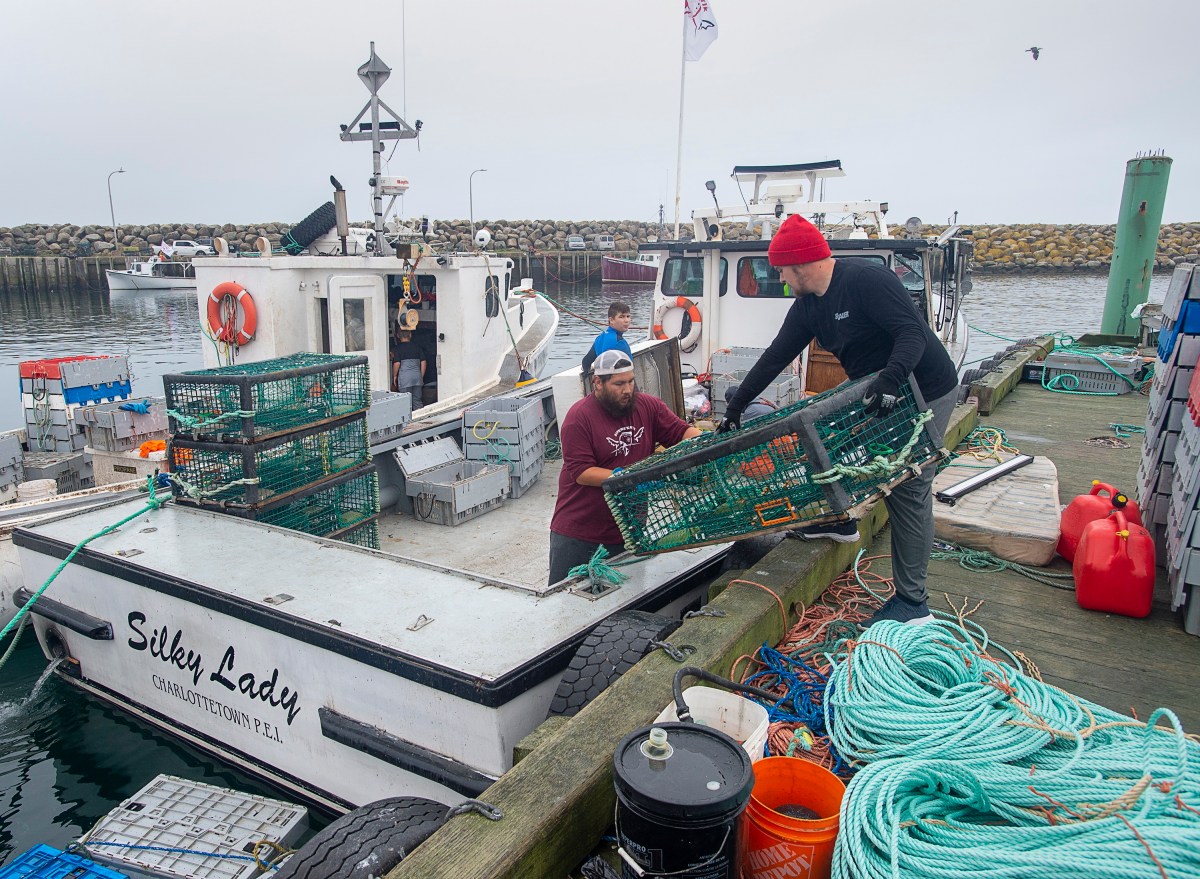
The Canadian government’s Department of Fisheries and Oceans has vowed to properly oversee lobster fishing this summer after a disorderly and ineffective attempt to regulate illegal fishing of baby eels earlier this year, CBC reported on July 11.
The Fisheries and Oceans Canada, or DFO, as it is known, announced the enforcement branch will be on the water and vigilant for compliance with First Nations lobster fisheries, CBC reported.
The fishery of baby eels, known as elver fishery, this spring was characterized by widespread illegal activity among some Indigenous and non-Indigenous harvesters, Fisheries and Oceans Canada said in the announcement.
The DFO eventually shut down the legal elver fishery, affecting both commercial license holders and Indigenous groups with fishing plans approved by the department. But federal Fisheries Minister Joyce Murry said the “poaching” continued.
Tim Kerr, the Maritimes region director of conservation and protection, said the conservation and protection department is well-equipped to enforce the upcoming lobster fishery.
Officers will be stationed on wharves and conduct patrols in St. Marys Bay to oversee the Indigenous food, social, and ceremonial lobster fishery, which strictly prohibits the sale of the catch.
Lobster fishing occurs primarily on the water, with the catch subsequently brought to shore. Elvers, however, are captured during the night from various rivers across Nova Scotia and New Brunswick.
St. Marys Bay near Digby, Nova Scotia, has been a contentious area in previous years, involving conflicts related to the sale of lobster caught by members of the Sipekne’katik First Nation.
AUSTRALIA: Grant funding will help bridge philanthropic gap
A nonprofit organization that focuses on cultivating connections between Indigenous groups and philanthropic organizations has received a $20,000 grant for their efforts, National Indigenous Times reported on July 13.
Woor-Dungin, a nonprofit organization in Melbourne, Australia, received the grant from Bank Australia Customer Community Grant for their ongoing efforts to dismantle barriers that impede Aboriginal communities from accessing philanthropic funding, National Indigenous Times reported.
Woor-Dungin was initially established in 2004 as a capacity-building training program aimed at educating Aboriginal organizations on how to access philanthropic support. As time progressed, it transformed into a community-led model that fostered collaboration among Indigenous organizations, philanthropic entities, and pro-bono partners.
The name “Woor-Dungin” derives from the Gunnai language spoken by the people of south-eastern Victoria, and it translates to “share.”
Naomi Murphy, a Wakka Wakka/Gungarri woman who chairs Woor-Dungin, said it is important to foster enduring connections between Indigenous organizations and the philanthropic sector.
It is crucial to establish lasting relationships between Indigenous organizations and the philanthropic sector so that philanthropic funding can effectively address the diverse needs of our communities,” she said, according to National Indigenous times.
Bank Australia’s grant will provide funding to support a series of forums organized by Woor-Dungin aimed at strengthening the capacity and skills of Aboriginal Community Controlled Organisations in Victoria.
The grant will enable the delivery of training sessions focusing on essential areas such as grant writing, acquittals, and project evaluation for funding applications.
Woor-Dungin also offers various resources that promote a decolonized approach to philanthropic engagement with First Nations peoples. Among the resources is the “Decolonizing Wealth, Cultural Audit Toolkit” workshop, which was developed and is led by Indigenous experts.
My final thoughts
My final thoughts are in Brazil where the 2019 rupture of a tailings dam in Brumadinho Valley was a catastrophic event that had far-reaching consequences for the territory surrounding the Paraopeba River.
I am deeply saddened by the ongoing suffering being endured by the Indigenous groups, particularly the Pataxó and Pataxó Hã-hã-hãe communities. Their struggle for secure land, water, and food continues to be a pressing issue that demands immediate attention and action.
I challenge the government in Brazil and all stakeholders to prioritize the well-being and rights of these Indigenous communities. It is essential to address the fundamental issues they face, including land ownership and security, access to clean water sources, and reliable food supplies.
Recognizing and respecting their land rights is not only a matter of justice but also crucial for their cultural preservation and sustainable livelihoods.
Let us stand together, learn from past mistakes, and take decisive action to ensure a brighter and more equitable future for the Pataxó, Pataxó Hã-hã-hãe, and other Indigenous communities around the world.

Our stories are worth telling. Our stories are worth sharing. Our stories are worth your support. Contribute $5 or $10 today to help ICT carry out its critical mission. Sign up for ICT’s free newsletter.

