
Help ICT make strides in 2024. Our goal is to raise $150,000 by the end of the year with generous contributions from funding partners and collaborators like you. We’re thankful for your support, and we’re thriving because of it. DONATE TODAY!
Pauly Denetclaw
ICT
GALLUP, N.M. — Every year is a whirlwind and being a political correspondent, I don’t think this will ever change. The twists and turns of state, federal and tribal politics is the only constant in my line of work.
This year the nation saw the impact of a divided Republican Party and the rulings from the Supreme Court, the election of more Indigenous people to public office and what the Biden administration is or isn’t doing. Lastly, the two largest Indigenous nations in what is now the United States elected new leaders.
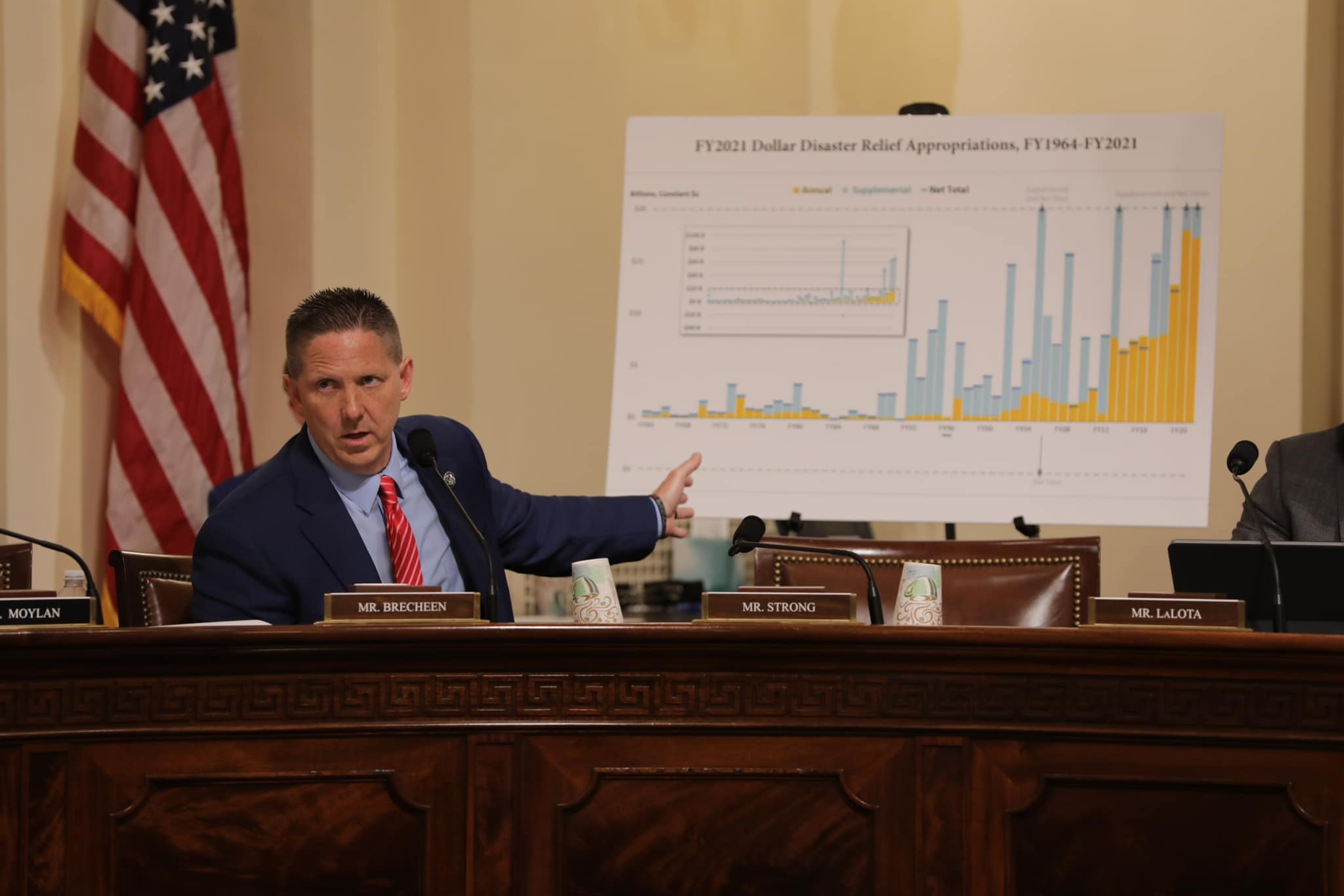
To start off the year, freshman congressional member, Josh Brecheen, Choctaw, made waves when he teamed up with 19 others to interfere with the election of California U.S. Representative Kevin McCarthy as Speaker of the House. (Much to the disapproval of the longest-serving Indigenous member of Congress, Tom Cole, Chickasaw, also from Oklahoma.)
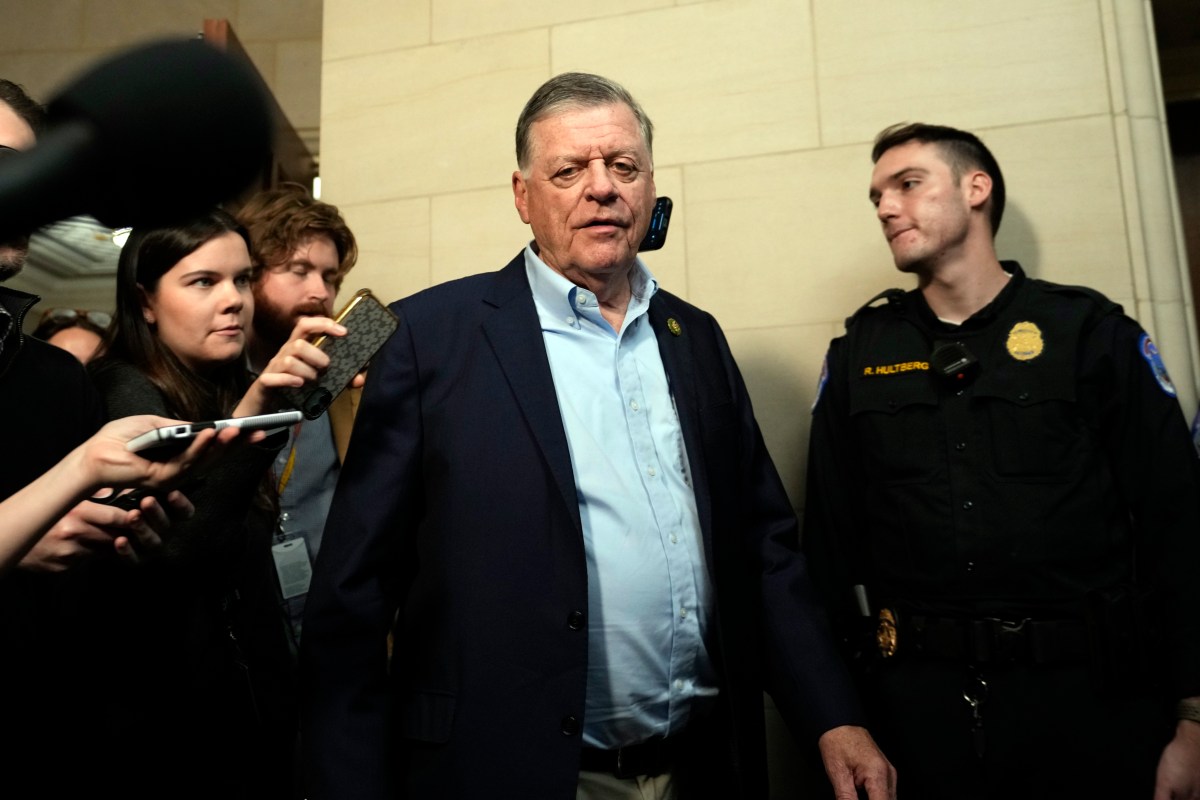
Twice this year Cole’s name came up as a possible contender for Speaker. But just like he has said for the last decade, he has no interest in being Speaker. Why would he? Cole is already chair for one of, if not the most, powerful House committees.
The House Committee on Rules decides what rules will be applied to any given bill that is presented to the House floor. This authority can be used to either obstruct or support the passage of a bill. Ultimately, there is little the Rules committee cannot do, according to its website.
In October, McCarthy was ousted as speaker, a historic first. Every Democrat along with eight Republicans voted to remove him as Speaker. For three weeks, the work of the legislative branch of the United States came to a halt. The House of Representatives cannot conduct business without a Speaker. A bill, including important appropriations bills, have to go through both chambers, the House and Senate.
Meanwhile, a possible partial government shutdown was looming in the fall. In the past, government shutdowns have deeply impacted tribal governments especially, smaller ones that are more dependent on federal funding.
A continuing resolution was passed on Sept. 30 to avoid a government shutdown but for only 45 days. The House spent 22 days without a speaker with a Nov. 17 deadline. Ultimately, stopgap funding bills were passed and signed into law by Biden with deadlines of Jan. 19 and Feb. 2.
White House
President Joe Biden has without question set the standard for future administrations when it comes to Indigenous nations. He has appointed more Indigenous people to various positions in federal departments than previous administrations.
The White House started off the year by inviting Lynette Bonar, Navajo, to the 2023 State of the Union address. Bonar was instrumental in bringing the first cancer center to sovereign Native lands. In Biden’s address, he said he wanted to reduce cancer rates by 50 percent over the next 25 years. Biden mentioned tribal communities once during his one hour and thirteen minute speech.
Also in attendance were Navajo Nation president Buu Nygren, invited by U.S. Sen. Mark Kelly, and Gila River Indian Community Gov. Stephen Roe Lewis, invited by U.S. Sen. Kyrsten Sinema.
One of, the U.S. Treasurer, Chief Lynn Malerba’s first actions after getting sworn-in was establishing the Treasury’s Office of Tribal and Native Affairs. This office, while not permanently funded, will be a permanent fixture in the department. Its inaugural director is Fatima Abbas, Haliwa Saponi, who officially took over in late February.
In early March, the Biden administration made the controversial decision to approve the Willow Project in Alaska’s North Slope, which went against his promises to reduce greenhouse gas emissions. The project also garnered global attention and was overwhelmingly unpopular. However, the vast majority of Indigenous leaders from the North Slope were in support of the project.
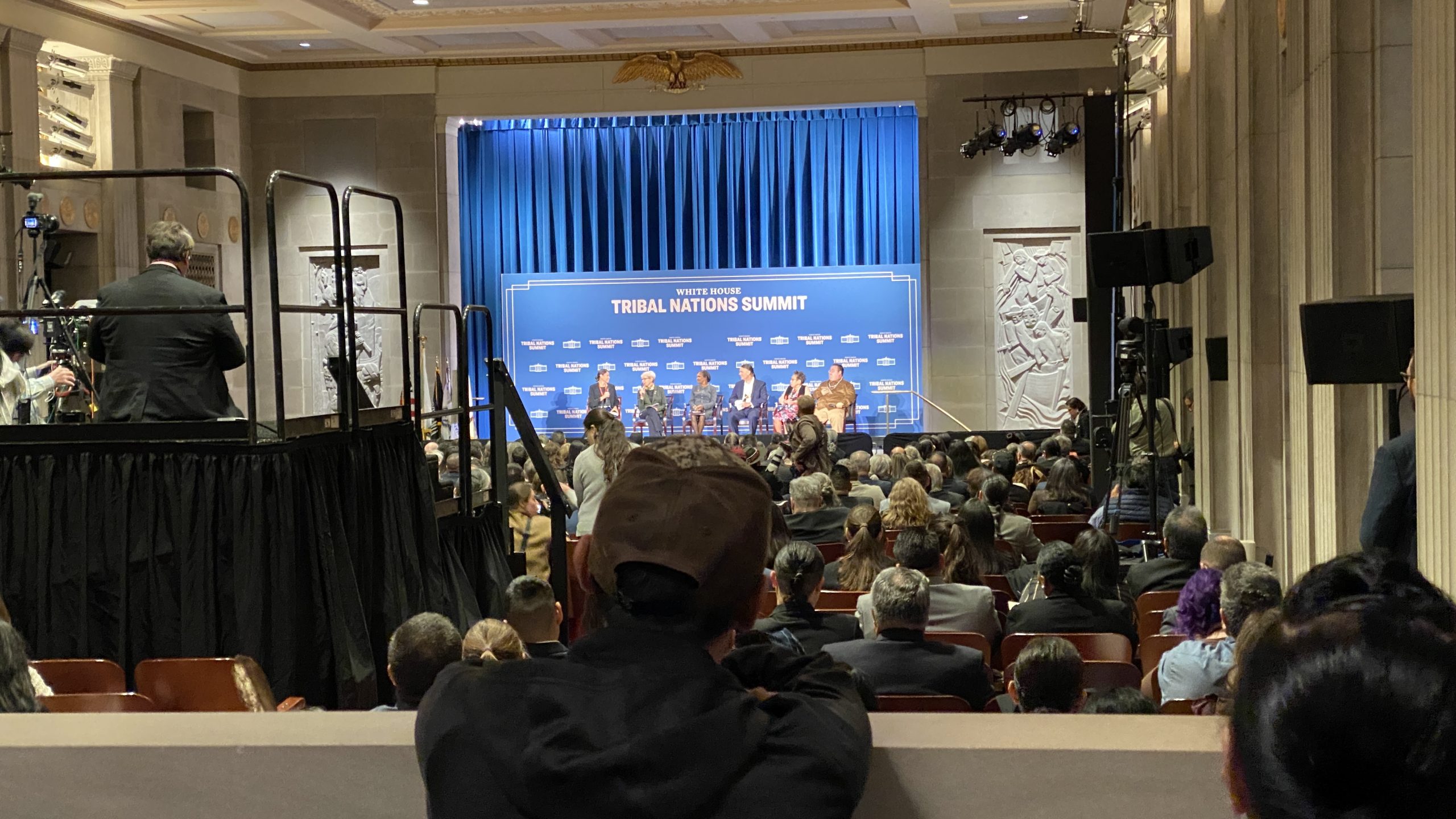
During fall the White House once again hosted the White House Tribal Youth Forum and Tribal Nations Summit. The administration took last year’s feedback into consideration and tried to create more one-on-one time between federal officials and tribal leaders by incorporating breakout sessions.
At the forefront of the summit was climate change.
Congress
In February, students from tribal colleges and universities across the country came to Washington, D.C. to advocate for more funding. For one week every year, Indigenous students meet with their states’ representatives and senators to talk about the importance and impact of tribal colleges and universities.
During the summer, Chaco Culture National Historical Park in New Mexico was once again in the headlines after Navajo Nation land allottees blocked Interior Secretary Deb Haaland and others from celebrating the 10-mile moratorium on oil and gas development in the area. A month later, allottees and Navajo president Buu Nygren were testifying before the Energy and Mineral Resources subcommittee against and in favor of the moratorium. The Interior is adamant that the moratorium doesn’t affect any current oil and gas leases.
Every five years, Congress works toward passing one of the most important omnibus legislations for Indian Country, the Farm Bill. The bill affects more than just agriculture. It includes funding for federal food programs, rural broadband, forestry programs and more. In 2018, tribal leaders and organizations were able to get 63 tribal-specific provisions in the bill passed. This was monumental.
The Farm Bill has fallen to the wayside as Congress fights over appropriations bills. The deadline for the bill has lapsed.
Supreme Court
It was the year for Supreme Court opinions and with this makeup it’s difficult to analyze which direction they’ll rule when it comes to cases involving Indigenous nations. Though Justice Neil Gorsuch is always on the side of tribal sovereignty, as the only justice who worked on federal Indian law cases before being appointed.
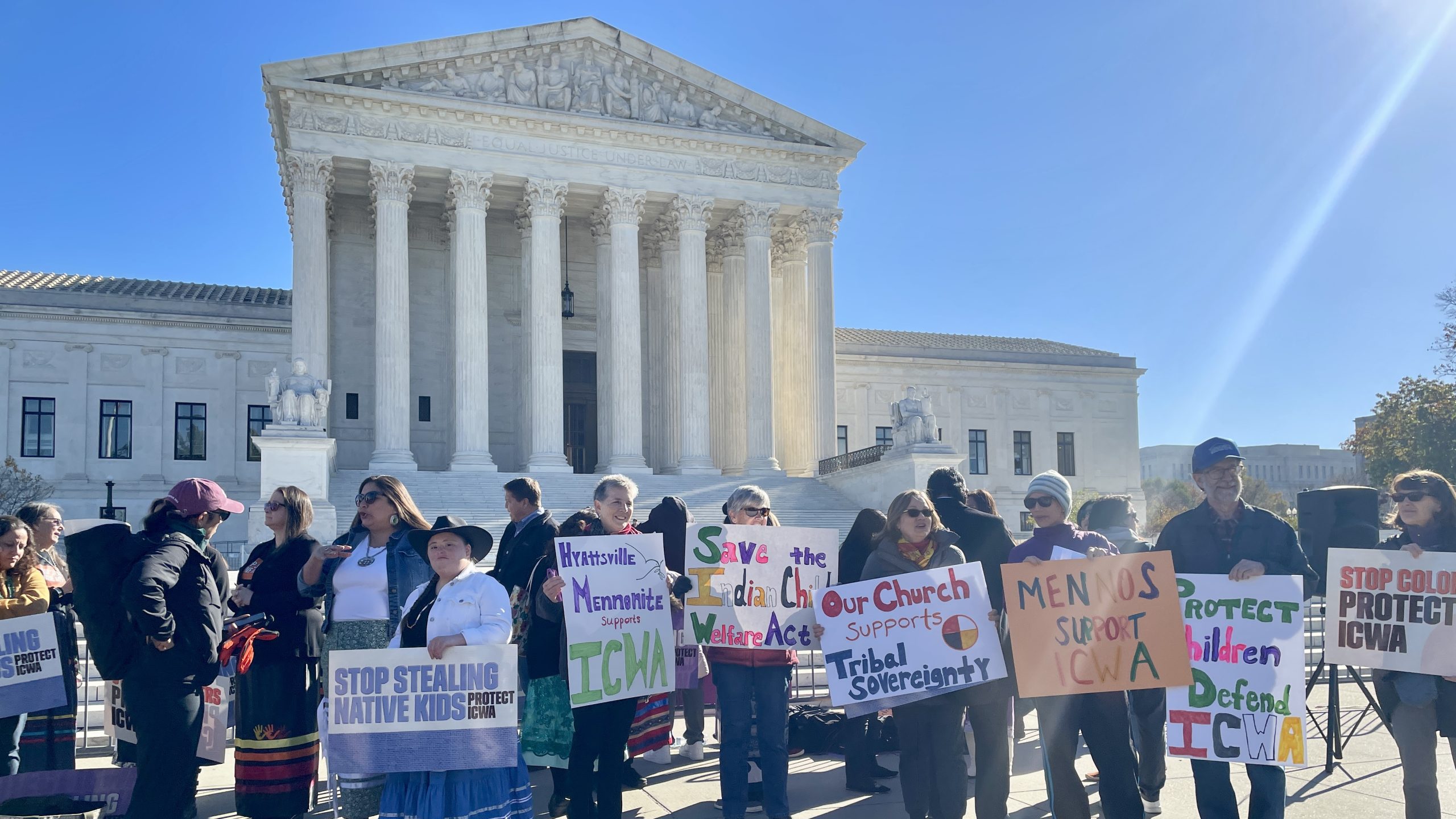
One of the major cases was the Indian Child Welfare Act which was upheld this past summer. Only two justices dissented, Clarence Thomas and Samuel Alito. Justice Amy Coney Barrett wrote the majority opinion where she stated the court has no interest in disturbing the Fifth Circuit Court of Appeals conclusion on the 1978 act. This was a major win for tribal sovereignty.
In Arizona v. Navajo Nation, the court ruled 5-4 against the Navajo Nation. The question at the center of the case was whether or not the federal government under the Treaty of 1868 had an obligation to assess and secure water rights for the Navajo Nation. The court ruled that the burden of assessing and securing water rights is that of the Navajo Nation. The ruling affirms the tribe’s right to water but that the federal government has no obligation to quantify those water rights for the nation, putting the nation back to square one when it comes to its water rights.
The court also ruled, in Lac du Flambeau Band of Lake Superior Chippewa Indians v. Coughlin, that tribes are like any other state or government and cannot use sovereign immunity in U.S. Bankruptcy Court, setting a dangerous precedent that tribes though not explicitly listed in an act could fall under the definition of “other foreign or domestic government.” Only one justice, Neil Gorsuch, dissented in this case, noting the slippery slope of the decision.
Tribal nations
Two of the largest and most influential tribal nations in the country elected new leaders in 2023. The Navajo Nation put their faith in the youngest ever elected president, Buu Van Nygren and his vice presidential pick Richelle Montoya, the first woman elected to that position. The Navajo Nation has yet to elect a woman as president. Nygren won by a narrow margin, just over 3,000 votes.
The Cherokee Nation reelected Chuck Hoskin Jr. to another term as principal chief. Hoskin and Deputy Chief Bryan Warner won with more than 60 percent of the votes against three other challengers. Eight seats on the Cherokee Tribal Council were up for reelection. Julia Coates, who lives in Los Angeles, will represent Cherokees who live off the tribe’s land base in the at-large tribal council seat.
The Navajo Nation Council elected the first woman Speaker, choosing freshman council delegate and former public information officer, Crystalyne Curley. The Navajo Nation Council is the closest to gender parity it’s ever been.
The Navajo Nation government also turned 100 years old in 2023.
Tribes in Maine once again went to the state legislature to fight for tribal sovereignty. Maine treats tribal nations like municipalities not sovereign Native nations that predate this country. The six federally-recognized tribes, known as the Wabanaki Nations, were unsuccessful in getting a tribal sovereignty bill passed after Maine Gov. Janet Mills, a Democrat, vetoed the bill. The state legislature tried to overturn the veto but Mills stepped in and pressured several legislators to change their vote. The bill was unsuccessful for another legislative session.
The United Nations for the first time released a report called “Indigenous Determinants of Health” that is a culmination of two decades of work. The study was meant to inform non-Indigenous policy makers about how to approach health and wellness for Indigenous communities and to fill the gap in U.N. literature that previously did not address the holistic, historical and political aspects that encompass Indigenous health, in comparison to other minority groups.
Elections
Local elections were at the forefront this season. More than 50 Indigenous candidates were elected to local office including the first Native American to sit on the Albuquerque Public School’s Board of Education in New Mexico. Twelve of the 52 candidates elected were not incumbents. These numbers come from a database manager by Advance Native Political Leadership and ICT.
Former Navajo Nation president Jonthan Nez announced his intent to run for Arizona’s second congressional district. In December 2022, ICT asked Nez if he would run in AZ-02 and at the time he said he would consider it. A couple months shy of one year later, Nez announced his candidacy. Relatively unknown communications manager Lindsay Bowe is running against the well-known candidate. Arizona Rep. Eli Crane is running for reelection.

This year over a dozen candidates declared their presidential candidacy including President Joe Biden and former president Donald Trump. ICT compiled a database of where the candidates stand on issues impacting tribal nations. The Native vote is key in several states, these include Alaska, Arizona, New Mexico, Minnesota and more.
And that my friends is an overview of Indigenous law, politics and policy in 2023. Thank you for coming to ICT for your political news and analysis. I will see you in 2024 to talk about hopefully more firsts, more historics and more positive change. Nizhónígo Nináánááhai Dooleeł! Happy New Year!

ICT is a nonprofit news organization. Will you support our work? All of our content is free. There are no subscriptions or costs. And we have hired more Native journalists in the past year than any news organization ─ and with your help we will continue to grow and create career paths for our people. Support ICT for as little as $10. Sign up for ICT’s free newsletter.

