
Miles Morrisseau
ICT
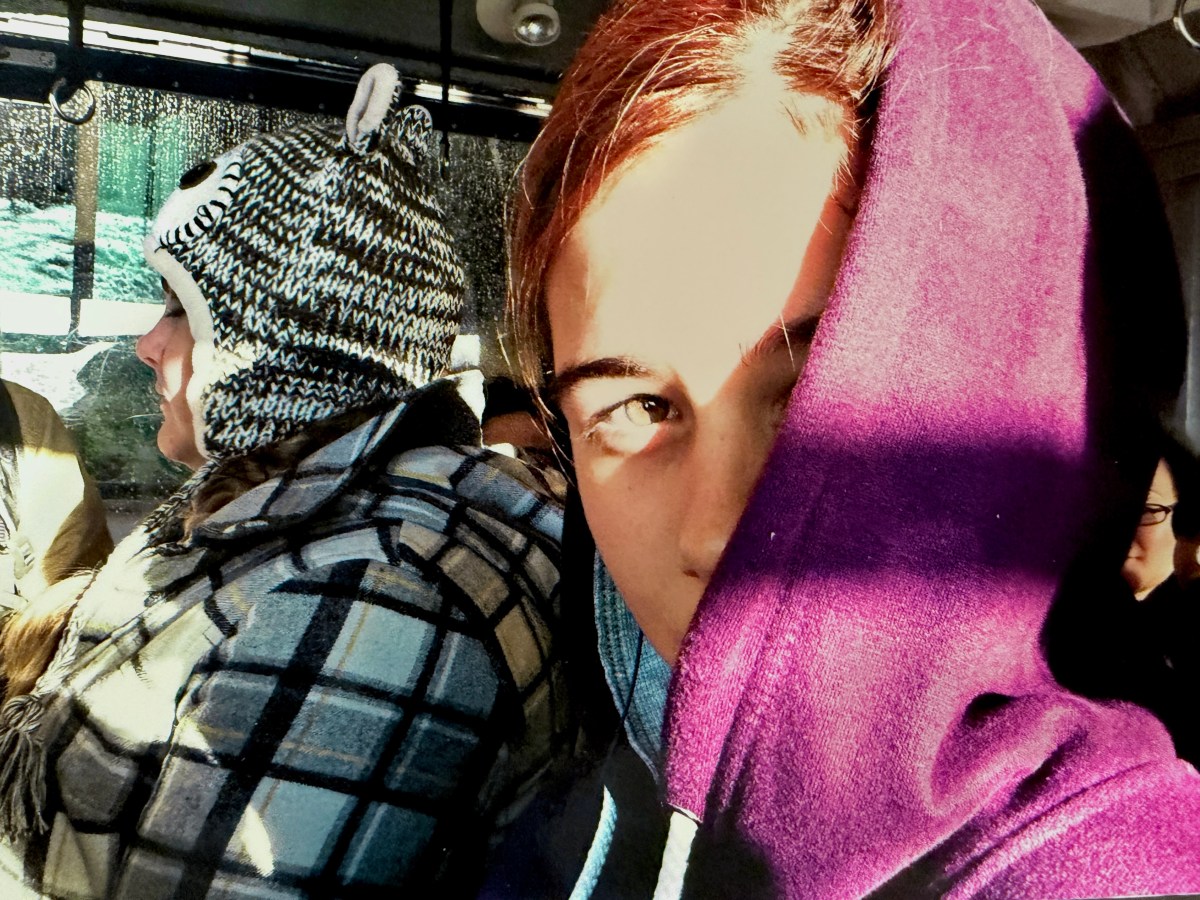
Cheyenne Stonechild, Muscowpetung First Nation, was eight years old when she was taken from her mother and placed into Canada’s child welfare system.
The memory is traumatic. She was scooped up by police while attending an event at the local community center and placed in a home with strangers.
“It was a wife and husband, and they would not speak with me. It was terrifying,” Stonechild told ICT. “I went from a community center with people I knew to a police car, to a home, to a room with a locked padlock on the outside.”
She was among thousands of children caught up in the 1990s and 2000s in what is known as the Millennial Scoop, a term drawn from the disproportionate removal of Indigenous and First Nations children in Canada in the 1960s known as the Sixties Scoop.
Today, 23 years later, Stonechild is the lead plaintiff in a pending class-action lawsuit against the Canadian government for harms inflicted on off-reserve Indigenous children in recent years by the nation’s broken child-welfare system.
It’s a trauma endured by generations of the Stonechild family.
“My mom was a Sixties Scooper,” Stonechild said. “She was apprehended in ‘71-’72 and was then adopted out from [British Columbia] to Ontario to a Roman Catholic family. And then going back one step further was my grandmother, who was taken into residential school. So unfortunately, it’s been quite a generational thing.”
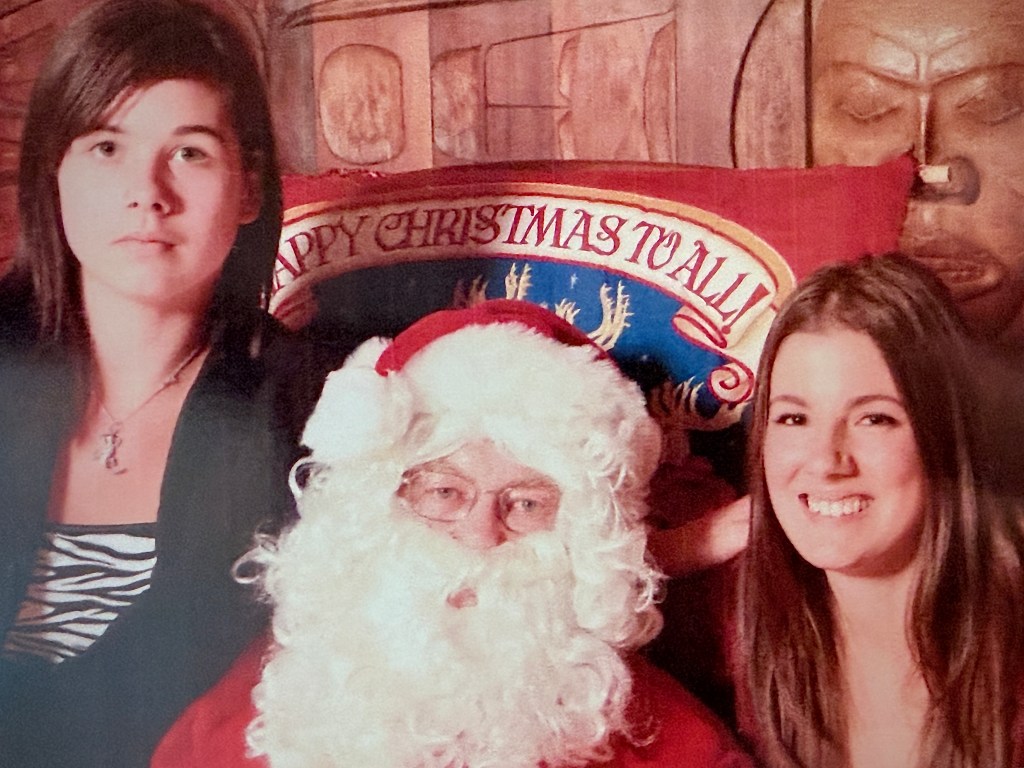
“The Millennial Scoop is essentially the modern-day epidemic that mirrors what happened in the past Sixties Scoop,” Angela Bespflug, one of the lawyers representing Stonechild in the lawsuit, told ICT.
“Indigenous children are being scooped up at hugely disproportionate rates compared to the percentage of the Canadian population that they make up,” she said. “It’s been acknowledged to be a humanitarian crisis by Canada.”
The numbers are staggering, with Indigenous children in the child welfare system in Canada accounting for three times more children than those who attended residential schools at the height of operations.
In 2020, Indigenous children made up nearly 54 percent of all children in the system despite numbering only 7.7 percent of the population under the age of 15, according to Statistics Canada’s 2021 Indigenous People’s Report.
In a 2025 report by the province of Manitoba, 91 percent of children in care in that province were Indigenous.
‘There were other options’
Stonechild recalls being under the watch of the child welfare system long before she was taken away from her family.
“The ministry always had their eye on my mom and me,” she said. “I remember that even when I was younger that there would be visits, there would be people always watching us. I couldn’t understand why these people were always hanging around, why they insisted [they wanted] to talk with me, to talk with my mom, to talk with my teachers, to talk with the other people that were around us at that time.”
Stonechild bounced around during childhood following that original apprehension, never finding any stability.
“I went through about 15 different foster homes or homes of a sort, to group homes, to on the street, to hospital, to anywhere that they could title as ‘housing’ that was appropriate for a youth and care,” Stonechild said.
“They don’t include in the placements the time in hotels, time in hospital settings, or time on the streets. That’s not included,” she said. “So, arguably speaking, I probably went through way more than 15 different homes. But the entirety of that time I had no interaction with my family. And if I did, it was very minimal.”
As an adult, Stonechild eventually received copies of portions of her case file relating to her time in the system, although much of it had been redacted. But the records she did receive made clear the state had avoided real opportunities to reunite her with her family.
“They made a definitive choice to keep me in care when there were other options,” she said. “If they didn’t want me placed with my Indigenous family, with my mom, with my mom’s family, they had the option of placing me with my dad’s family. And they chose not to do that either.”
The decisions were contrary to policies ostensibly aimed at keeping families together.
“I know that’s not good, and that’s not what they should be doing,” she said. “And that’s also not in line with what they have said they have done, making sure that kids are placed with family.”
‘An ongoing epidemic’
The term “Sixties Scoop” was coined by Patrick Johnston, author of the 1983 report, “Native Children and the Child Welfare System,” about the mass removal of Indigenous children from 1960 until the mid-1980s, according to the University of British Columbia’s Indigenous archive.
Johnston’s report notes an acceleration of children in the 1960s quickly led to the “drastic over representation” of Indigenous children in the child welfare system. The Sixties Scoop continued the federal government’s efforts to break up Indigenous families, with the policy executed in a business-like manner with advertisements in newspapers in Canada and the U.S. offering beautiful brown children to childless families.
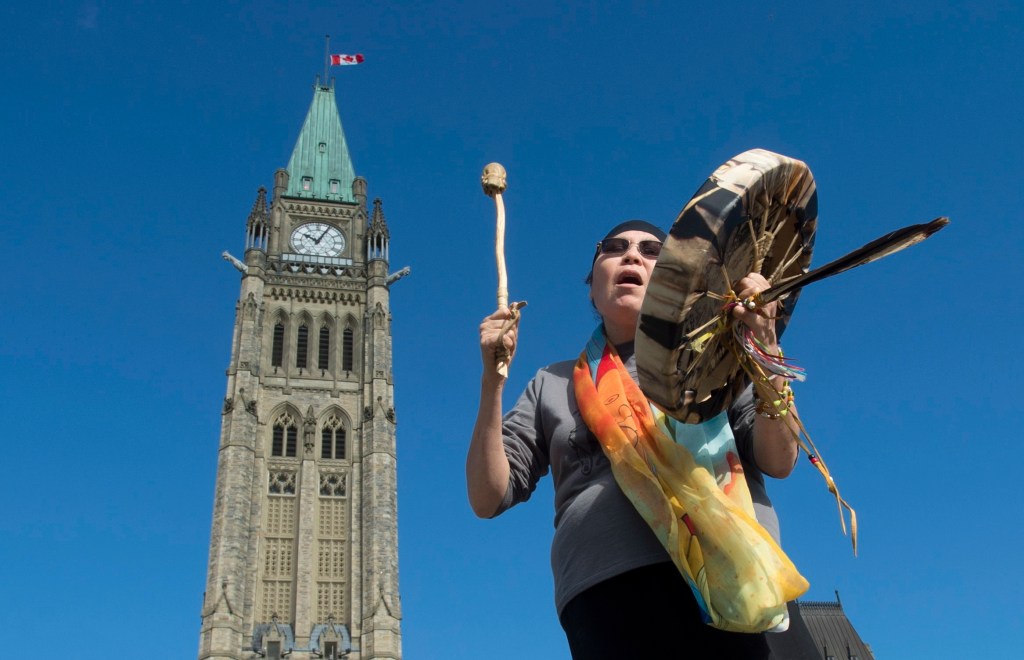
The recent surge into the child-welfare system followed a boom in the Indigenous population at the beginning of the millennium from 1996 to 2001, when the Aboriginal population increased 17.9 percent while the total population of Canada rose by 4.8 percent, according to Statistics Canada.
As the Indigenous population boomed, so did their over-representation in the child welfare system.
Bespflug is shocked that the federal government has not made substantive policy changes to deal with the crisis.
“When you have an ongoing epidemic that every single day continues to affect Indigenous children and families, you would think that there would be some effort put into wanting to see less Indigenous children in care,” Bespflug said. “Make reforms that actually address the root cause of the problem, which really is a focus on preventative care instead of protection services and removal as a matter of first recourse.”
A landmark settlement in 2022 led to more than $23 billion in compensation for First Nations children and families who lived on reserves or in the Yukon, and who had been removed from their homes between April 1, 1991, and March 31, 2022.
The case was launched by the Assembly of First Nations and the First Nations Child and Family Caring Society in 2007 after the initial filing of a human rights complaint with the Canadian Human Rights Commission.
The settlement, however, did not include children who lived off-reserve, such as Stonechild, nor Métis and Inuit children.
According to the 2021 census, 82 percent of the Indigenous population live off-reserve, with nearly 60 percent of First Nations people living off-reserve. Only a small percentage of Inuit and Métis live on the reserve, as reservations are known in Canada.
Awaiting the courts
The new class-action lawsuit, now pending before the Canada Supreme Court, seeks redress for off-reserve Indigenous children for the nation’s failure to prevent loss of the children’s identity, culture, heritage and language.
The case had been dismissed by a lower federal court because Canada was the only defendant, although the provinces are responsible for the child-welfare system. The case reached the nation’s highest court in October when a “leave of appeal” was filed.
The Supreme Court must now decide if the case “raises a question of public importance” and should be granted permission to proceed.
“We’re currently awaiting that decision. and through that, we’re hoping that the highest court in Canada will look at this case and say, ‘Yes, Canada, you play a role in this humanitarian crisis, you play a role in being the prominent party that will be able to reform the issue and ultimately over time correct this overrepresentation,’” Bespflug said.
“It’s essential that Canada’s involved. Canada of course says, ‘Well it’s not us. It’s the provinces,’ which is true in terms of who actually delivers child welfare services. But ultimately Canada has the constitutional duty to protect the cultural identity of these kids and families and also their family units.”
Stonechild has continued to work on reconnecting with family and community with the intention of giving her children a stronger sense of their Indigenous heritage — something that she was denied while she lived under the child welfare system.
“They knew who my family was. They knew exactly what culture and what language I was supposed to be speaking,” Stonechild said.
“And despite the fact that I advocated for myself many times to have these things, to have this right, in a delegated agency that’s supposed to specialize in Indigenous care, they refused to give me what I needed.”
