
Amelia Schafer
ICT
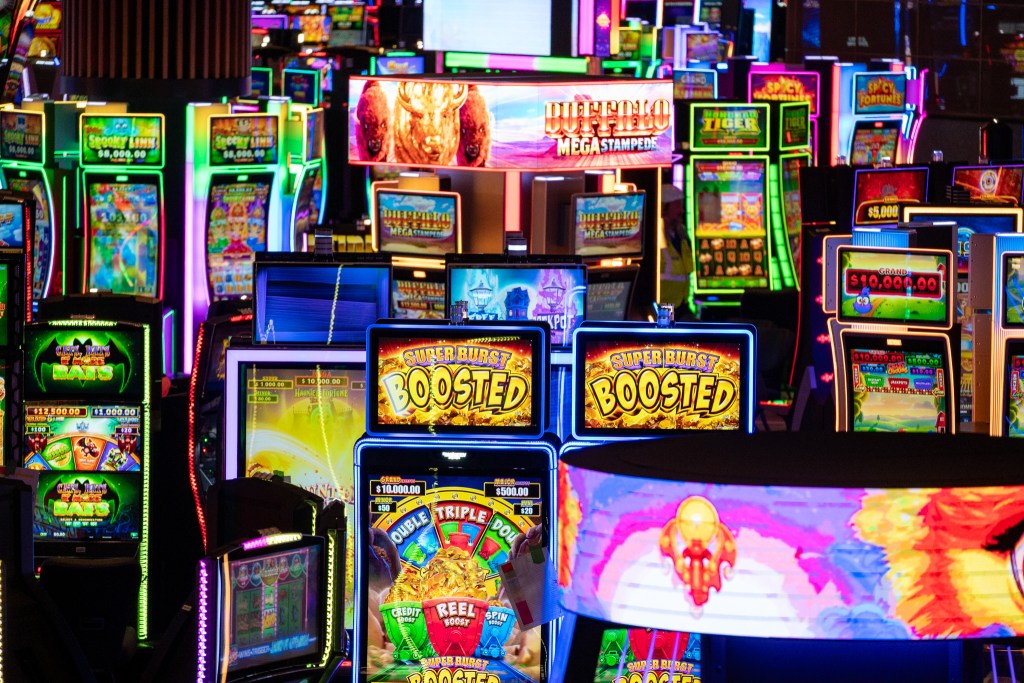
BELOIT, Wisc. — The Ho-Chunk Nation is poised to open its largest gaming operation yet, a new $705 million facility offering over 1,300 slot-machines only one mile from the Illinois border.
The casino, which will open on Oct. 23, is located in Beloit, Wisconsin, near three cities: Milwaukee is one hour away, Chicago 90 minutes away and Rockford, Illinois, less than a 30 minute drive out.
It’s the closest Native-owned casino to the state of Illinois – one of 31 states with no Indian Gaming operations – and it will generate jobs and economic development, tribal leaders said.
The facility is expected to directly provide 1,500 new jobs, with thousands more supplied through contracts between local organizations and the Ho-Chunk Nation and pump millions of dollars in local contracts into the Beloit area, Ho-Chunk Nation President Jon Greendeer told ICT.
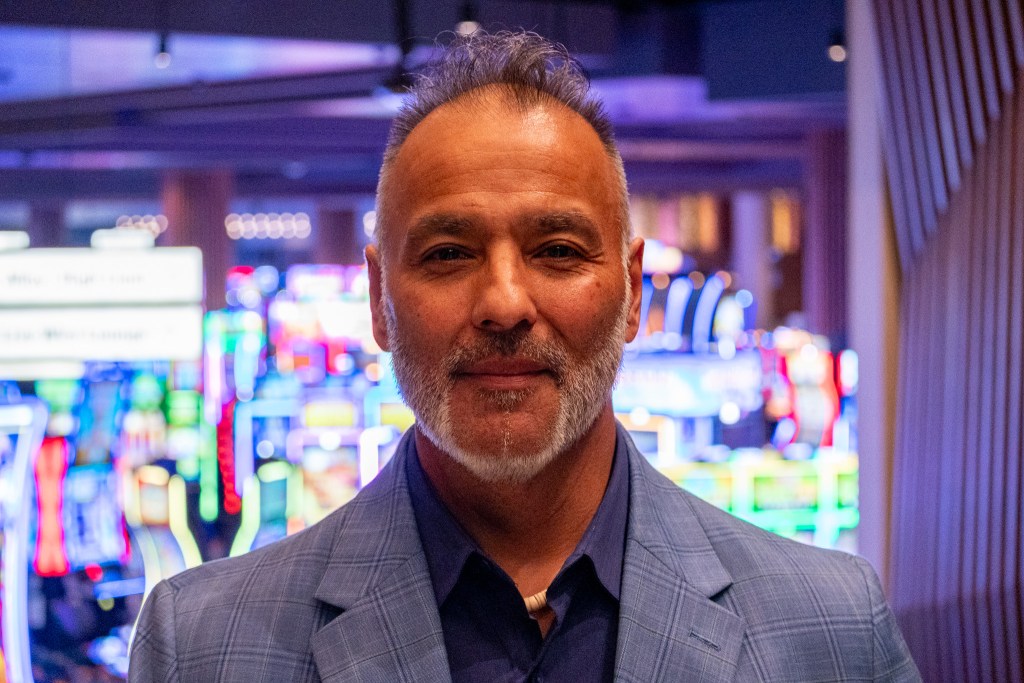
“We are going to be networked so deeply into the community that, as far as the way people see us, we are going to be woven back into the community as we always should have been,” Greendeer said. So far an upwards of 700 individuals have been hired, casino officials said Wednesday.
The new gaming venture will also benefit the tribe.
Beloit was once a Ho-Chunk village known as Kečąk, or “turtle” in the Ho-Chunk language, part of the tribe’s original territory which once spanned 10 million acres.
Like many tribes across Indian Country, gaming has served as a major economic boon for the Ho-Chunk Nation. Gaming has allowed the nation to advance its communities by providing education support from pre-K through college, job training and more, leaders said.
Notably, gaming has also brought new resources to the tribe’s campaign of buying its own land back, bit-by bit, something the nation has done for over a century.
The property in Beloit? Bought after the advent of Indian gaming.
The Hocąk or Ho-Chunk people, also known as Winnebago, were subjected to 16 different forced relocations starting in the 1830s. Today, the Winnebago Tribe of Nebraska exists on a small reservation in that state. Other tribal members went back to northern woodland homelands and formed what is now the Ho-Chunk Nation of Wisconsin.
“History will actually show that the U.S. Army and colonization have moved our communities and our people … all the way out to Iowa and then Nebraska,” Ho-Chunk Nation President Jon Greendeer told ICT. “We walked back to [Wisconsin] to reestablish ourselves.”
“Because of that [move back], we were not granted a large land base, a contiguous land base for which to operate economic development and schools,” Greendeer said. The tribe has systematically purchased land parcels in the state “and placing them into trust, which allows us to have a little bit more demographic diversity as to where our gaming facilities are.”
Today, the tribe’s gaming facilities operate in several different major areas across Wisconsin, with casinos located in Madison, Tomah, Black River Falls, the Wisconsin Dells, Nekoosa and Wittenberg.
“Just about every facility that we have is essentially off-reservation, but it is on our traditional homelands,” said Greendeer.
The Beloit location was actually supposed to be the tribe’s fourth casino, not seventh, Greendeer said.
The casino’s development began in 1992 as a result of an agreement with the State of Wisconsin. In 1999, tribal leaders signed a gaming compact with the City of Beloit and Rock County to allow for a facility. The process stalled until 2011, when the tribe bought back 32 acres of land in Beloit and began the tribal trust transfer for that land in 2012 – a process needed to return private property to the tribe.
It took 10 years for the trust transfer to happen. The tribe finally broke ground on the Beloit facility in 2024.
Buying back land isn’t an easy feat, Greendeer said. Real estate companies are quick to increase prices when they hear the tribe is interested in purchasing.
“I think the toughest part is, we all have the dreams of reestablishing our communities and reconnecting our communities, and we don’t have the ability to enlarge our existing facilities without paying exuberant real estate properties purchase prices,” Greendeer said. “When people see the Ho-Chunk Nation or any tribe purchase properties, they up the price.”
Despite these roadblocks, the Ho-Chunk Nation’s Beloit casino is finally preparing to open, and, Greendeer said, to provide economic resources to the local community.
“While people think that this is the Ho-Chunk Beloit Casino, it’s so much more,” Greendeer said. “When you walk in and you cross those welcome mats, or you see those beautiful plants, or you look at the nice manicured lawn, or you come into a nice plow. Those are all local jobs and
local opportunities that we don’t hire out of state for. We don’t subcontract anything, we
look for people in the area to create those economies that are here.”
While the casino, parking structure, hotel and conference center are all part of the nearly three quarters of a billion dollar project, Greendeer said, only the casino itself will open on Oct. 23. The planned 19-story 300-room hotel and 2,500 person convention center will not open until fall 2027.
The Beloit facility will also feature off-site virtual sports betting, something the Ho-Chunk Nation and other Wisconsin tribes fought for the past several months to maintain their exclusivity over.
On April 9, Wisconsin Governor Tony Evers signed the Tribal Online Sports Betting Law, allowing the 11 federally recognized tribes within the state to exclusively operate online sports betting models. According to Wisconsin state law, only tribal governments can administer gambling.
The law came amidst an ongoing nationwide fight between tribal leaders and prediction markets, which skirt traditional guidelines and regulations tribal gaming and private casino operations must adhere to. Per the new Wisconsin law, all online betting servers in the state must be placed on tribal land and operated by tribes.
“Predictive markets are illegal, and the Ho-Chunk Nation has been very clear about that,” Greendeer said. “This is not just another sports betting, this is something that is gambling inside the state of Wisconsin without the jurisdiction of the state or tribe who have that [exclusivity guaranteed] by the Indian Gaming Regulator Act. You won’t see any type of predictive markets from the Ho-Chunk Nation or any of the tribes in the State of Wisconsin.”
Greendeer did not specify when the facility’s online betting services will begin to operate.

