
Mark Trahant
Substack
What’s next for the Bipartisan American Affordability and Jobs Act of 2026?
Before I answer, a story. My mentor Forrest J. Gerard, Blackfeet, had a lot of legislative accomplishments over the years (Indian Finance Act, Indian Health Care Improvement Act and the Indian Self-Determination and Education Assistance Act) and he loved to tell stories about the ins and outs of how those laws were made. But he was also fond of showing what could be done to kill legislation.
One of his favorite stories was about a bill to put a time limit on tribal land claims. The chairman of the Senate Indian Affairs Committee was then William Cohen of Maine, whose views had been shaped by land claims by the Passamaquoddy and Penobscot tribes in the 1970s. A settlement was reached in that case and it became law in 1980. Cohen then wanted a blanket time limit on all third-party claims by tribes (against states and private parties) and pushed through a measure to do just that. Tribes wanted changes and Cohen was in a rush.
When the bill got before the Senate, it was late in the calendar, and the only option left for the Cohen bill was unanimous consent. Gerard’s play was to have tribes call on Montana’s John Melcher. Once he signed on to the issue he was unmovable. The sponsors tried everything they could think of and nothing worked. So the bill died and when it came back in the next Congress there was a lot more tribal input.
That’s all to say that the calendar is now the best friend of folks trying to kill the Bipartisan American Affordability and Jobs Act of 2026.
Last week the Native American Rights Fund issued a legal analysis of what is now H.R. 2347.
“… a permitting reform bill designed to accelerate federal environmental reviews and project approvals. It proposes significant changes to the National Environmental Policy Act, Clean Water Act, Endangered Species Act, and National Historic Preservation Act, as well as energy permitting laws.
By shortening review timelines and narrowing what triggers a review, BAAJA would reduce federal oversight and opportunities for Tribal Nations to participate in decisions affecting their lands, waters, and cultural resources. It would also weaken Tribal consultation and make it harder to challenge harmful project approvals in court.”
Back to the calendar.
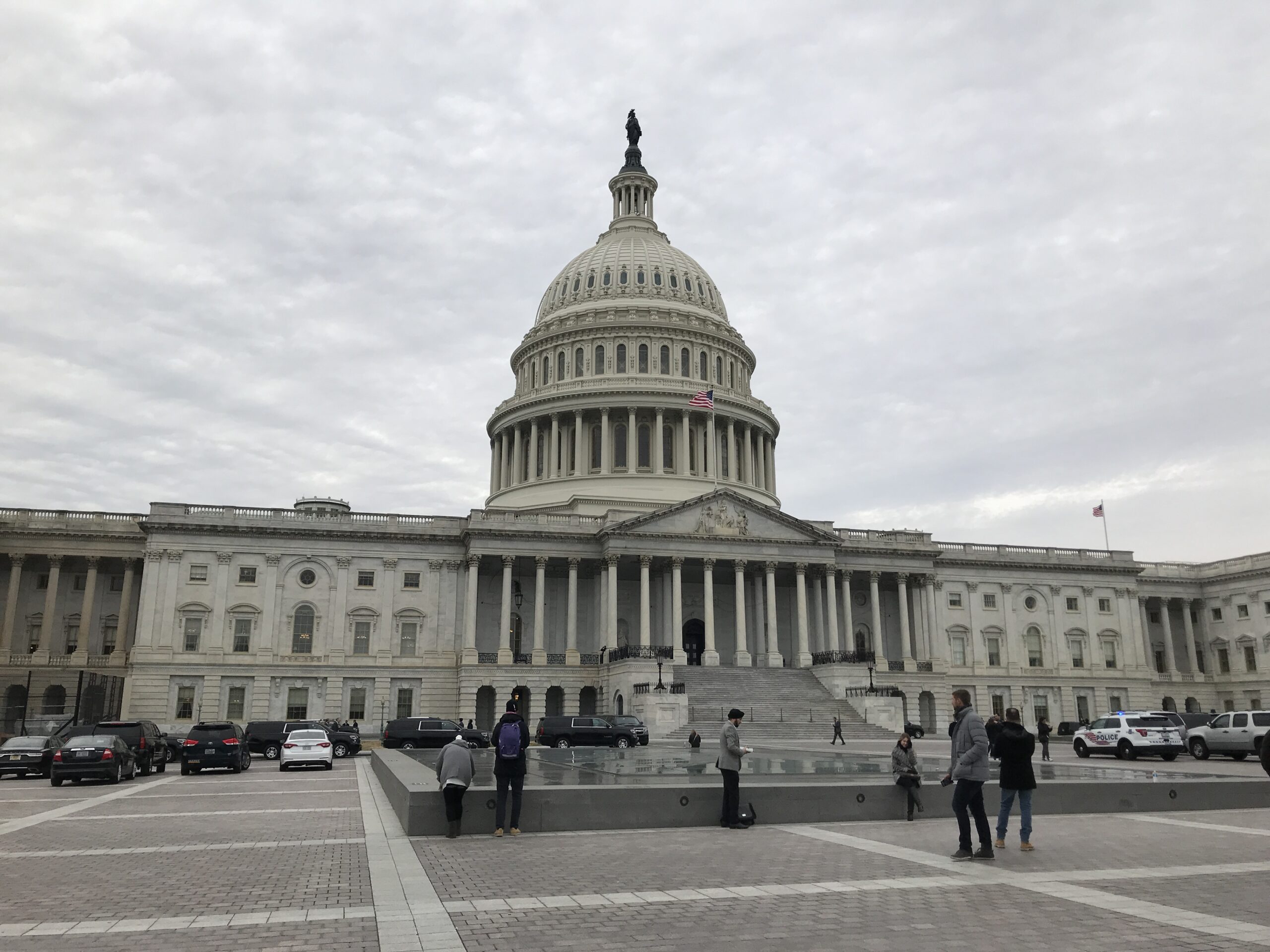
The House has about three weeks left and it has a busy agenda, including funding the government. The Republicans would love to get their farm bill through now, because a rewrite after January will mean a lot of Democratic priorities will rise to the surface (including restoring food benefits under the SNAP program.)
“… it won’t be an easy task for Speaker Mike Johnson (R-La.) to wrangle his caucus, especially as he struggles to keep his own members in Washington long enough to get the work done.
“Attendance problems have already begun disrupting the House floor schedule. GOP leaders postponed a procedural rule vote Wednesday over absences and canceled Friday’s votes altogether. Twenty-one Republicans missed votes on Thursday morning, following 14 absences the previous day.
“Johnson will need near-unanimous support on any procedural rule if he decides to bring a bill to the floor via regular order, requiring most of his conference to be present as he juggles a razor-thin margin. The House this week took up bills under a fast-track process known as suspension of the rules, which requires a two-thirds majority for passage and is typically reserved for legislation with broad bipartisan support. Because those bills often attract significant Democratic backing, Republicans can afford absences without jeopardizing passage.”
Remember House Democrats vote against the rule as a matter of course.
So Johnson has two choices: Move the bill through the rules committee and regular order or try and get a suspension of the rules with requires a 2/3s vote.
And a strong Democratic opposition could stop bill either way (depending on how many Republicans show up to vote).
And if the House bill does get through, and it has any amendments, even a paragraph, then the measure has to go back to the Senate for reconsideration. And then back to the House.
Podcast guest
It was fun being a guest on Aaron Thomas’ podcast The Daily Tribal Sovereignty Report.

Today’s Newsrime
Federal judge from another state?
That would end a Senate trait
John Cornyn says no and this zing:
Ted Cruz is ‘a fragile thing’