
Kolby KickingWoman
ICT
“Silver Bells” is among the most iconic Christmas songs, played throughout the holiday season.
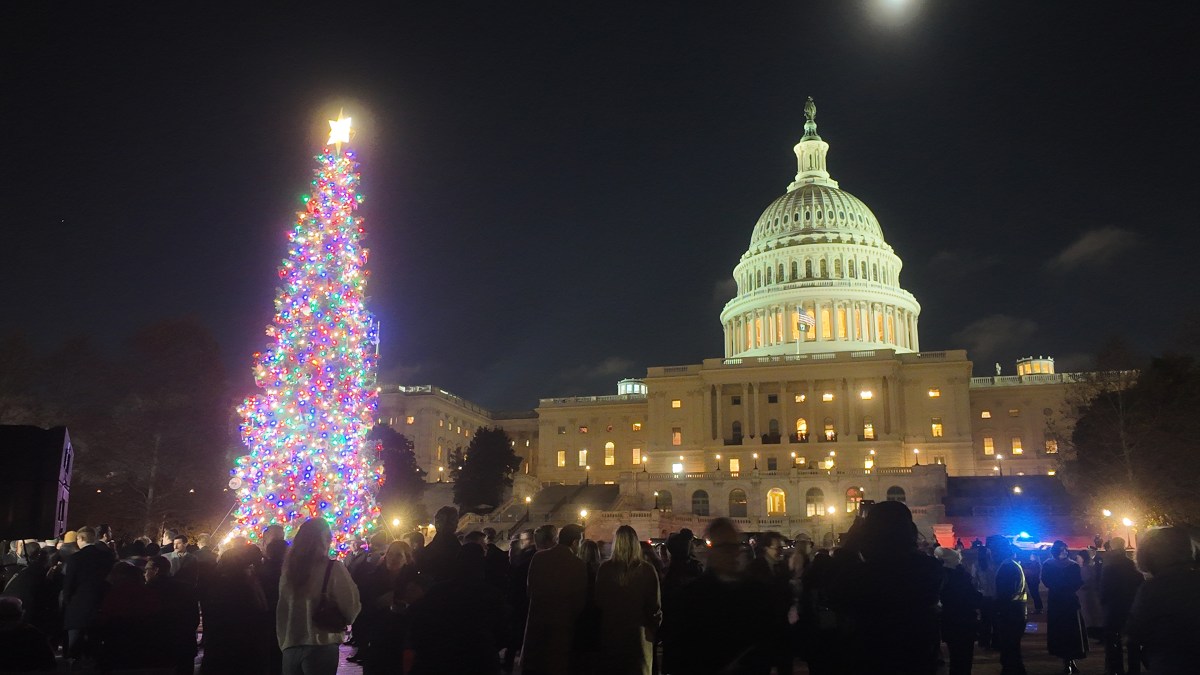
Silver Belle, on the other hand, is the name of this year’s Capitol Christmas tree. Similar to the tree’s name, the theme – “Starry Skies to Neon Lights: Spirit of the Silver State” – reflects Nevada’s nickname, “The Silver State.”
Hailing from the Humboldt-Toiyabe National Forest in Nevada, the red fir made the approximately 3,700-mile trek to Washington, D.C., stopping along the way in nine states: Nevada, Arizona, New Mexico, Texas, Oklahoma, Kansas, Missouri, Kentucky and Maryland.
This year is the first time Nevada has been selected to provide the tree and Humboldt-Toiyabe National Forest is the largest national forest in the lower 48, spanning more than 6.3 million acres in Nevada with a small portion in eastern California.
The Capitol Christmas tree tradition started in 1970, with a different national forest selected each year, and it is displayed on the West Lawn of the U.S. Capitol through the holiday season.
Nevada is home to 28 federally recognized tribes and works together with federal and state agencies and local communities in “shared stewardship” to manage public lands. In fact, more than 80 percent of Nevada lands are publicly managed, and the Forest Service manages about 8 percent of that amount.
The tree is adorned with tens of thousands of ornaments, and the state of Nevada crafted a record 22,730 ornaments, according to a facts sheet provided by the Society of American Foresters. Tribes, schools, communities, state and local agencies handcrafted the ornaments.
Capitol Christmas trees in the past have included blessings and songs from tribal nations in the regions from which trees have been taken, but ICT was unable to verify that any such ceremonies took place this year.
You can learn more about how the tree was selected and its trip across the country on the Capitol Christmas Tree website.

