Richard Arlin Walker
Special to ICT
The Washington state legislature could have more Indigenous people in its ranks than at any other time in state history after the Nov. 3 general election.
And for the first time an Indigenous person could be elected assessor for King County, the state’s most populous county with 2.4 million residents.
An estimated 14 Native Americans and/or Alaska Natives have served in Washington state’s legislature since territorial days in the mid-1800s – it became a state in 1889 – and at most five have served at the same time.
There are currently three Indigenous people in the legislature and all are seeking reelection. This year, a total of 10 Native Americans are candidates for the state House of Representatives and state Senate. (All but one are Democrats.)
This is important because 29 federally recognized tribal nations share geography with Washington, and those tribal nations play a significant role in managing natural resources and fisheries while contributing to regional economic development.
All told, those tribal nations create $7.4 billion in gross state product – the total monetary value of all goods and services produced within the state’s borders over a given year – and pay $3.9 billion in wages and benefits and $1.5 billion in state and local taxes. That’s according to Washington Tribes, a public education program sponsored by the Washington Indian Gaming Association.
“Having more members of Native American communities in the state legislature will not only help bring our voices forward, but it helps educate and create an understanding of the government-to-government relationships that we hold within the state of Washington,” said Debra Lekanoff, Tlingit, in an interview with ICT. She is seeking a fifth term in the state House of Representatives from the 40th District in western Washington.
“For me, bringing a tribal perspective to healthcare and healthcare systems is important,” Lekanoff said. “Out of the 38 recovery centers in Washington state, 21 of them are owned by tribes. Eighty percent of their clients are non-Native. Tribes are investing in healing all Washingtonians because we all make a better Washington state together.
“Understanding how we can better work as partners in renewable energy across this state has been vital to our government-to-government relationship. The other is understanding jurisdiction and collaborating when it comes to our local, state and tribal court systems. We do better for all Washingtonians when we break through the barriers of jurisdiction and provide solutions.”
Here’s a look at the Indigenous candidates in Washington state’s Aug. 4 primary.
The top two vote-getters, regardless of party, will advance to the general election.
STATE HOUSE OF REPRESENTATIVES

14th District: William Chichenoff, Sun’aq Tribe of Kodiak, and Chelsea Dimas, Nahua/Purapecha, are candidates for the state House from the 14th District, which encompasses five counties along the Columbia River in eastern Washington. The district shares geography with the Yakama Reservation.
Chichenoff and Dimas are challenging state Rep. Gloria Mendoza, Republican, who is seeking a second term.
Chichenoff’s priorities include: public safety rooted in early intervention; improving access to food and housing; promoting drought-year conservation and providing drip irrigation grants for farmers; and installing solar on public buildings.
Dimas wants the state to build partnerships with developers to prioritize affordable housing; protect workers’ rights; provide universal childcare and fully fund education; create health care jobs to close the staffing shortage in the region; and preserve natural resources.
24th District: Patrick DePoe, a former Makah Tribal Council member, is seeking election to the state House from the 24th District, which includes the Olympic Peninsula.

The other candidates are youth sports coach Bradley Nemo Callaway, Democrat; Port Angeles City Council member Mark Hodgson, Democrat; attorney Marcia Kelbon, a former Republican running as an Independent; and educator Kaylee Kuehn, Democrat.
The 24th District shares geography with the Hoh, Jamestown S’Klallam, Lower Elwha Klallam, Makah, Quileute, and Quinault reservations.
DePoe is executive director of the Association of Washington Tribes. He wants to reverse cuts to the state’s education trust fund; invest in apprenticeship programs; make it easier to build affordable housing; lower sales, property and gas taxes and balance the tax code; expand access to affordable healthcare; and manage the state’s natural resources.
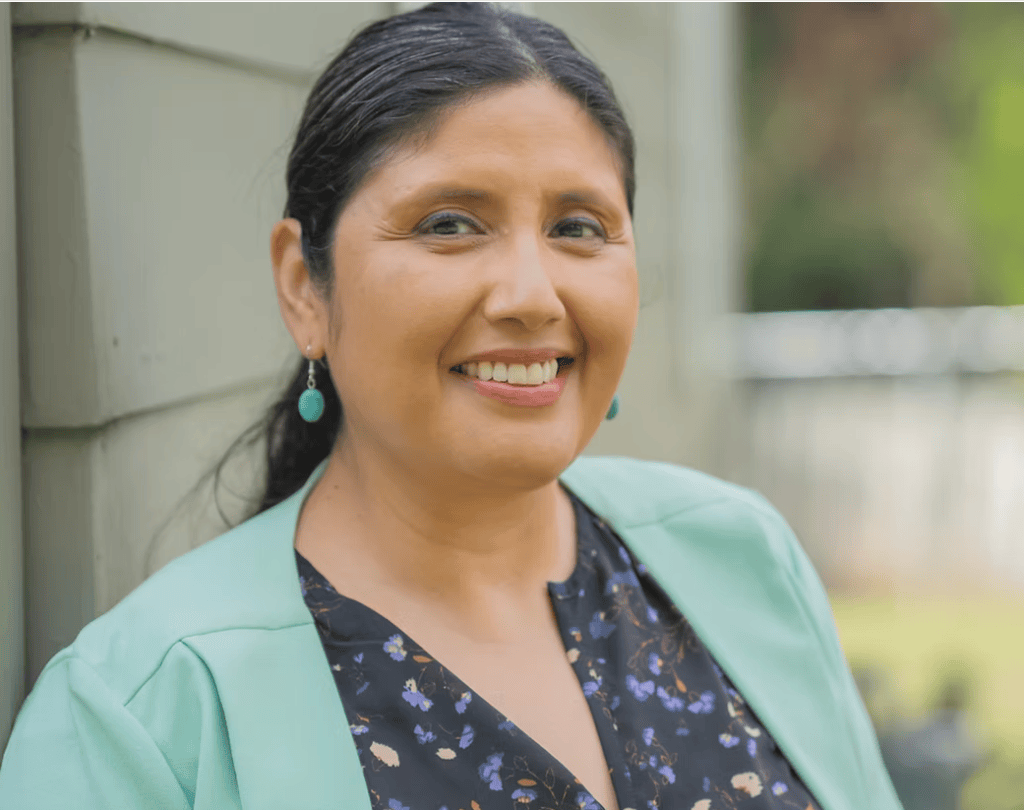
26th District: Educator Renee Hernandez Greenfield, who is from Cochiti, San Ildefonso, and Taos Pueblos, is a candidate for state House from the 26th District, which includes the Navy base city of Bremerton. Also seeking election are nonprofit leader Katy Cornell, Republican; education advocate Randy Phillips, no party preference; and cannabis store owner Tedd Wetherbee, Democrat.
The Port Gamble S’Klallam Reservation shares geography with the 26th District.
Greenfield’s priorities include investments in early childhood education; climate policies that prioritize clean energy, reduce carbon emissions, and hold corporate polluters accountable; keeping women’s health care decisions between a woman and her doctor; and strengthening partnerships with tribal governments “rather than duplicating or undermining efforts already underway.”
35th District: Maria Littlesun, Skokomish, is a candidate for state House from the 35th District, which includes Mason County and parts of Kitsap and Thurston counties. She is challenging state Rep. Travis Couture, Republican, who is seeking a third term.
The Skokomish and Squaxin Island reservations share geography with the 35th District.
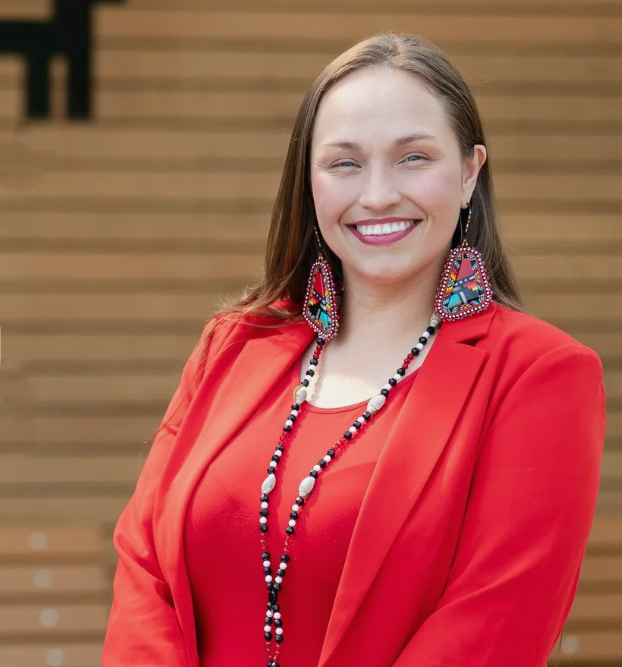
Littlesun is an in-home healthcare provider. Her priorities include tax reform and lower utility costs; protecting rural communities from loss of clinics as a result of healthcare mergers; preserving the state’s health insurance program and access to Medicaid; zoning reforms to allow for more residential construction near transit and jobs; increasing funding for affordable housing construction, enacting tenant protections and expanding property tax relief for seniors and veterans; fully funding special education; and restoring funding for Dual Language Learning programs.
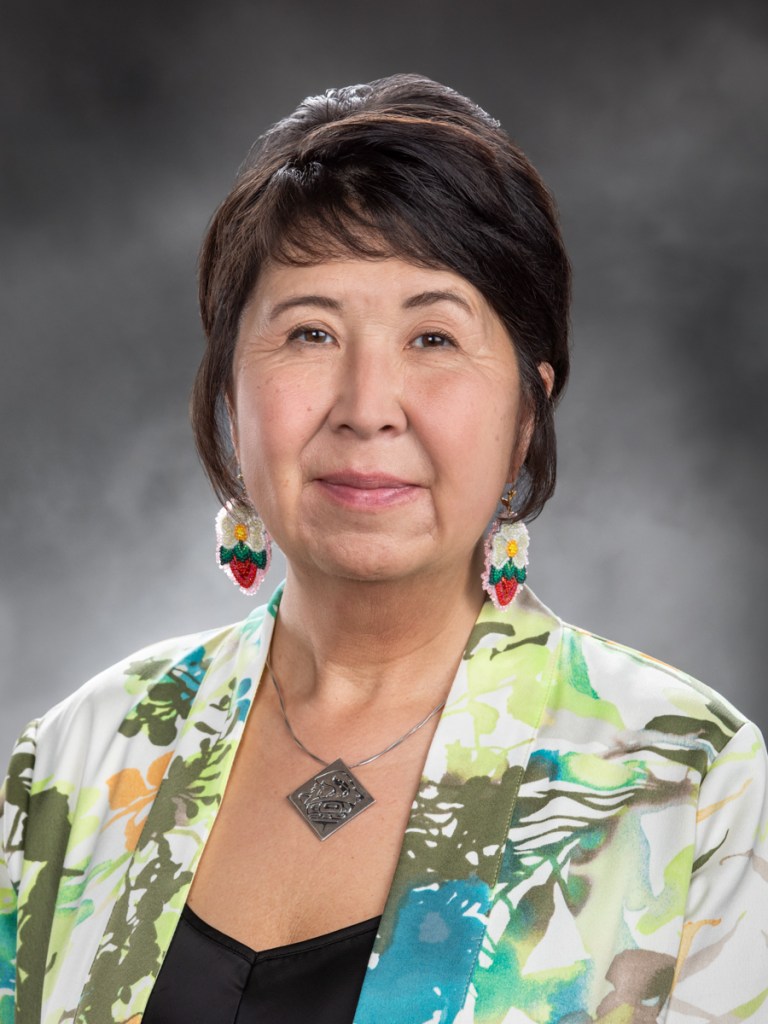
40th District: Lekanoff has represented the district, which includes the western Washington cities of Bellingham and Mount Vernon, since 2019. She sponsored or co-sponsored 115 bills in 2025-26, several of which addressed environmental protections, healthcare access, and tribal sovereignty matters such as state recognition of warrants issued by tribal courts.
State Republican Party official Cindy Carter of Orcas Island is challenging her.
The Swinomish Indian Tribal Community and the Samish Nation share geography with the 40th District.
Lekanoff’s priorities include investments in addiction prevention, recovery and aftercare programs, with enrollment in recovery and wrap-around services for aftercare support; continued investment in law enforcement training and resources; tracking the effectiveness of policies and programs that support veterans, elders and youth; and water efficiency standards to reduce water consumption and create incentives for the development of innovative water technologies; encourage the retrofitting of buildings with energy-efficient technologies, renewable energy systems, and water-saving measures; and investment in school meal programs, tutoring, and school sports, music and art.
45th District: Chandler Torbett, Muscogee, is an attorney for Amazon running for state House from the 45th District, east of Seattle.

The other candidates are Redmond City Council member Vanessa Kritzer, Democrat; and dentist John Gibbons, Republican.
The Snoqualmie and Tulalip reservations share geography with the 45th District.
Torbett, who ran unsuccessfully for the Oklahoma state House of Representatives in 2018 when he was general counsel for the Muscogee Nation’s Department of Health, listed among his priorities stable classroom sizes, extracurricular activities and higher education standards; expanding childcare availability; accelerating the transition to clean energy; and adopting stronger oversight for AI systems that could significantly impact people’s lives, including transparency when automated systems affect people’s rights.
47th District: Chris Stearns, Navajo, is seeking a third term in the state House from the 47th District, centered about 36 miles southeast of Seattle. Stearns is the second Native American to serve as House speaker pro tem. He also is co-chair of the Nuclear Energy Caucus, vice chairman of the House Government & Tribal Relations Committee, vice chairman of the Regulated Substances & Gaming Committee, and a member of the Capital Budget Committee.

Ted Cooke, a software engineer and Republican Party precinct organizer challenges Stearns.
The Muckleshoot Reservation shares geography with the 47th District.
Stearns sponsored 17 bills in 2025-26 and cosponsored 69 others, several of which addressed environmental protections, lower drug costs, union and worker rights, tougher penalties for commercial sexual exploitation, and protections for crime victims and witnesses. His priorities for another term include access to healthcare; investments in affordable housing, childhood nutrition, and universal childcare; and ensuring underrepresented communities receive their fair share of state services and revenue.
49th District: Kim Harless, Opata, is a Vancouver City Council member running for state House from the 49th District, of which her city is the center. Other candidates are Mike Pond, a Democrat and union organizer; and Sarah Mittelman, a Republican and psychiatric mental health nurse practitioner.
The Cowlitz Reservation shares geography with the 49th District.
Harless wants to increase the state’s Housing Trust Fund to build affordable homes near jobs and transit; enact rent stabilization and stronger tenant protections; preserve the capital gains tax and the new tax on income over $1 million; close tax breaks for large corporations; direct new revenue to housing, education, healthcare, clean air and water; fully fund special education and school meals for all children; and protect and fund state and local health departments.
STATE SENATE
47th District: Claudia Kauffman, Nez Perce, is seeking a second consecutive term in the state Senate from the 47th District (she previously served one term from 2007-11). Kristina Soltys, a Covington City Council member and Republican, challenges her.
Kauffman is chair of the Senate’s Business, Trade & Economic Development Committee; vice chair of the State Government, Tribal Affairs & Elections Committee; and member of the Ways and Means Committee.
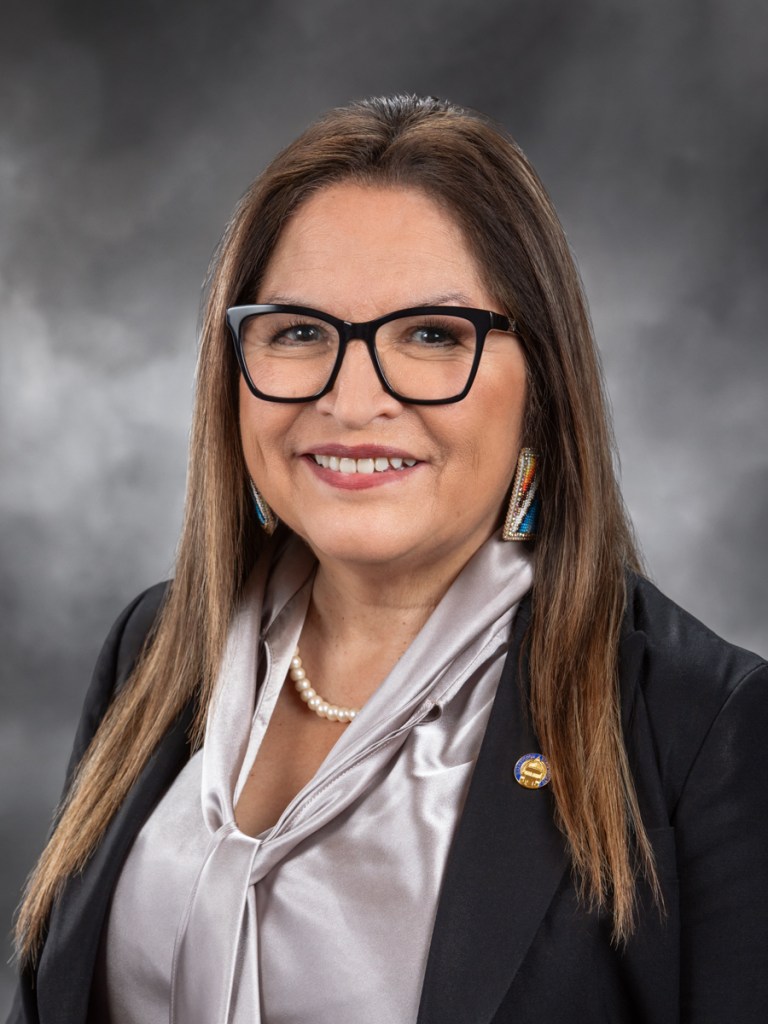
She sponsored 23 bills in 2025-26 and co-sponsored 52 others, among them coordination between the state and tribal governments to better serve Native children in foster care; access to emergency care during pregnancy; access to HIV drugs for people who have state health insurance; school lunches for all students; more accountability for insurance code violators; and expanded protections for cultural resources.
Kauffman also won several million in funding for investments in cultural, open space and transportation projects in her district.
Kauffman’s priorities for another term include funding for public safety; support for early learning; investments in affordable housing; and reforming the state’s tax system. “When it comes to tax fairness, Washington ranks 50 out of 50,” she wrote on her campaign website. “Those in the bottom 20 percent of the wealth spectrum pay seven times more of their income in taxes than billionaires. It isn’t right or fair …”
COUNTY OFFICES
Clallam County treasurer: Jennifer L. White, Makah, is unopposed for another term as treasurer of Clallam County, which encompasses the northern Olympic Peninsula.
King County assessor: Christopher Roberts, Choctaw, is a Shoreline City Council member and former mayor seeking election as King County assessor.
The other candidates are deputy county assessor Al Dams; Seattle city appraiser Rob Foxcurran; and Dominique Scarimbolo, an entrepreneur and former steward for a trade union.

The position is nonpartisan, though Roberts is a Democrat and is active in the state party’s Native American Caucus.
If elected, Roberts would take office amid a housing affordability crisis. The median sale price of a home in King County is $861,000 to $887,000, according to the Federal Reserve Bank, though prices have cooled slightly since 2025 because of a surge in home construction. The median property tax bill is $7,600 a year. The median individual income is approximately $74,000 a year, while the median household income is estimated at $124,700, according to the U.S. Census.
The assessor is responsible for the fair and equitable valuation of all real and personal property within the county to ensure everyone pays a proportionate share of property taxes to fund local services, schools, and state mandates. Roberts believes the assessor can also do more to help people stay in their homes.
Roberts told ICT he would promote the property tax exemption program for seniors, veterans and people with disabilities; and streamline the property tax exemption application process. “My county council member told me of people who would call his office and say that it would take up to 18 months to get their property tax exemption application approved,” Roberts said. “I have talked to other people since then about similar time frames and of being on hold for hours just trying to get information about the program.”
Stable homeownership has many benefits to the owner and the community, according to Habitat for Humanity: housing security; building wealth through increased property values; stronger relationships within the neighborhood and community; and no concerns about rent increases.
The bottom line, according to Roberts: “You have to be clear and equitable in your assessments of all properties to ensure that no one person pays more tax than they should,” he said. “That sense of fairness helps everything and everyone. Through the property tax exemption program – by keeping taxes fair across the board and by helping people through appeals that they may make – that can help people stay in their homes. With seniors and senior women being the largest demographic that increases in homelessness, that’s where the property tax exemption program can really help.”
ENDING TERMS
Meanwhile, two high-profile Native American leaders are retiring from their positions at the end of 2026.
Debora Juarez, Blackfeet, a former superior court judge and the first enrolled Native American to serve on the Seattle City Council, is retiring at the end of the year. She served on the city council from 2016-2024 and as council president from 2022-24, then was appointed to the council in 2025 to complete the term of her successor, Cathy Moore, who resigned for health reasons.
State Supreme Court Justice Raquel Montoya-Lewis, Pueblo of Isleta, is completing a six-year term on the state’s high court. She is not seeking reelection; her term expires Dec. 31.
Roberts commented about the growing number of Native American candidates – and what it means to Indigenous communities and the state.
“I think it’s an inspiration to people to see candidates who look like them, and who come from the same communities, run for office and succeed,” Roberts told ICT. “I do believe that people have a greater trust in government when they see people from their communities who are in public office. There’s a sense that their government reflects the people. And it really opens people’s eyes to ‘I could do this too.’”