Sandra Hale Schulman
Special to ICT
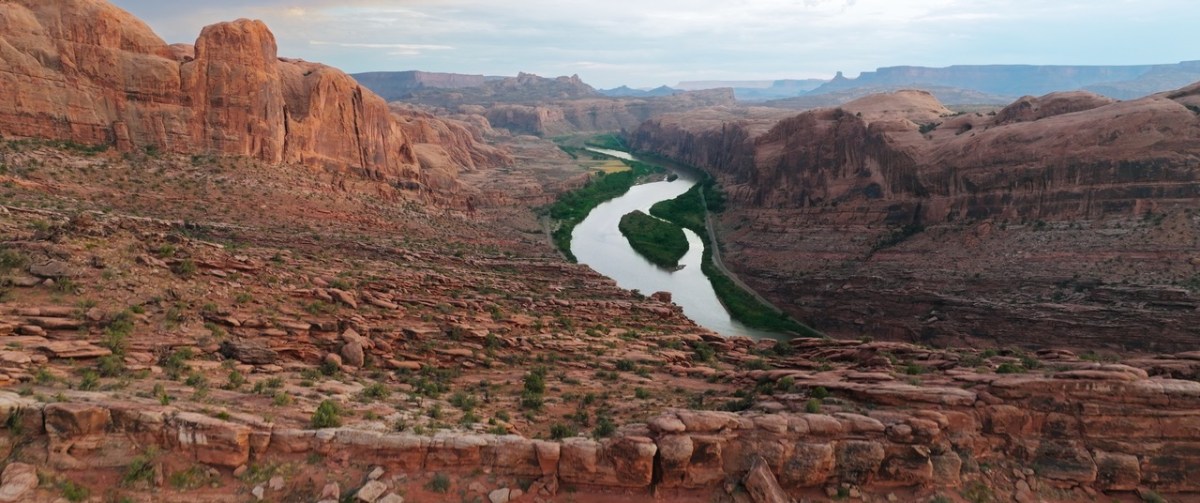
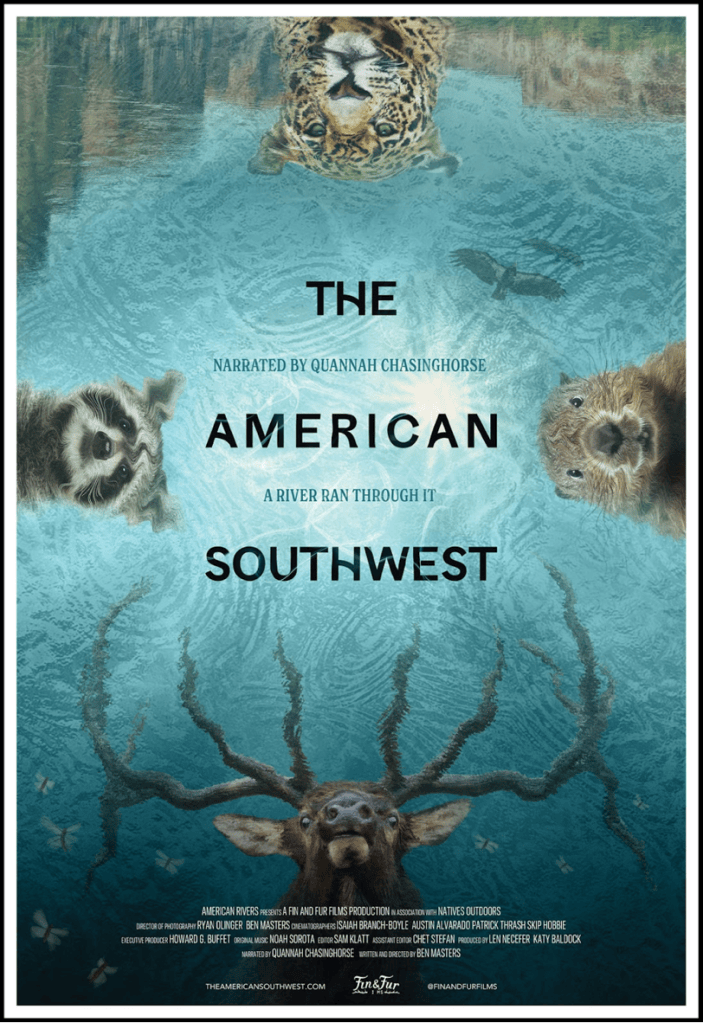
In an extraordinary new film, “The American Southwest,” narrated by activist and model Quannah Chasinghorse, Han Gwich’in and Sicangu and Oglala Lakota, filmmakers take viewers on an adventurous journey down the Colorado River that explores the region’s diversity and fragility. The film is now available to stream on Prime Video, Apple TV, Fandango At Home, and more.
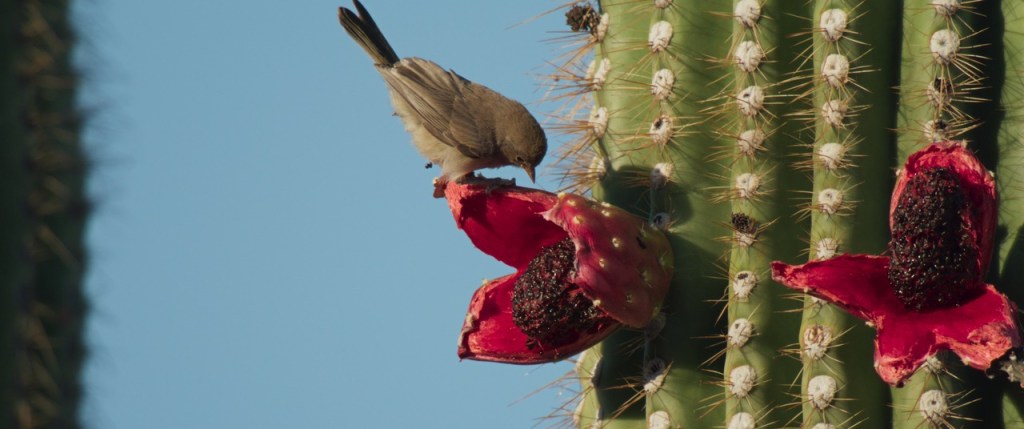
A wild and unforgettable path of this vital water source showcases the Southwest’s abundant wildlife, confronts the ecological impacts of dams and river depletion, and advocates for increased water and wildlife conservation. Astonishing footage of dam-building beavers, bugling and charging bull elk, and rattlesnakes mating accentuate scenes of the river as it begins with trickling rivers, builds momentum to roaring rapids, and finally is nearly entirely drained upon entering Mexico, offering an unsettling perspective.
The 1,450-mile long Colorado River traverses seven states and two countries, and provides water for agriculture, industry and nearly 36 million people.

Director Ben Masters says, “‘The American Southwest’ is a love letter to the landscapes and wildlife that have shaped me. The film is my best attempt to inspire audiences to conserve, protect and rewild the region’s ecosystems and the Colorado River. The documentary follows two storylines. The first traces the Colorado River’s journey from its headwaters to the sea. The second explores the evolving human relationship with the river and its wildlife – beginning thousands of years ago and continuing into the present day.”
“These stories are told through the lives of the Southwest’s most charismatic characters and spectacular ecological events, such as beavers building wetlands, salmon flies nourishing the river ecosystem, and condors soaring to recovery.”
“Woven into these wildlife sequences is the story of water in the West – how society has both the capacity to degrade and the power to restore the natural world. Unlike many wildlife films in which humanity is largely absent, It’s a social documentary, told through the perspective of recovering elk herds, desert-adapted rattlesnakes, and immigrant jaguars. It is a family friendly nature film that confronts the water crisis, biodiversity loss, and the harsh realities of a region becoming increasingly hotter and drier.”

L-R Producer Len Necefer, narrator Quannah ChasingHorse, director Ben Masters of the film “The American Southwest.” (Courtesy photo)
Masters say that including Indigenous storytellers and perspectives was essential in honoring the cultural and ecological history of the landscapes. He says, “Quannah Chasinghorse as the film’s narrator brought a youthful energy, passionate voice, and emotional resonance to what I believe is one of the most powerful narrations ever performed in natural history media. On the last day of recording, after internalizing the full story arc, Quannah closed her eyes and delivered the final 10 minutes of narration from memory – infusing every line with the sorrow of a forsaken river and the promise of its renewal.”
“I was born in Tuba City, Arizona, on the Navajo Nation of the Diné Peoples,” Chasinghorse told ICT. “Growing up between Alaska and Arizona, I built a deep relationship with both regions and witnessed their ever-changing landscapes and climates. The American Southwest occupies a space in my heart that will always continue to grow – it is a home away from home.”
“Being asked to narrate this film – to lend my voice to the Colorado River, its tributaries, the life it nourishes, and the people who have stewarded it for generations – is such a huge honor. Showcasing how essential Indigenous voices are when telling these stories means everything to me. It truly has been life-changing in all of the best ways. I’ve learned so much.”
Chasinghorse was approached by the film team’s director, Ben Masters, the producers, and Len Nessafer of Native Outdoors. They sent her a rough cut of the film, and she immediately said she wanted to be a part of it.
“I was so inspired,” she said. “Ever since I was a kid, I loved watching nature films. But I was always concerned about how every single nature film lacked Indigenous voices, even though we have stewarded these lands for thousands of years. No matter where you are on the planet, there are Indigenous people stewarding those lands. I said to a friend while watching a nature show I wanted to do one, and a month later, they called me.”
Chasinghorse’s mellifluous voice adds a deeper impact as she has been deeply involved in environmental causes for years. She adds humor to the narration as well, as in some of the animal scenes, particularly of a defeated bull elk, a busy beaver waiting on his gnawed tree to fall, and why rattlesnakes have more than just a forked tongue.
“That was the fun part for me being in the studio,” Chasinghorse says. “Some of those silly moments, I couldn’t help but laugh. On the first take, I’d have to get my giggles out and then be fun and strong. The cinematography is incredible. They really went above and beyond getting the shots, but they did it safety first. They’re working with wild animals, really respecting them and their home while also working with biologists and scientists who specialize in these specific species to make sure that they’re doing things in the right way.”
The Colorado River is a major water source for wildlife and irrigation and for people. To see how it ends in Mexico in a small pond dotted with discarded tires is devastating.
“I did know that the Colorado River didn’t flow to the ocean,” Chasinghorse says.” When you see it and understand why and how it got to that point, it really puts it in perspective and honestly, as there are some fun silly parts, there are some emotional and heavy parts to the film. They would allow me to take a break because I would get choked up. I’d need a moment to get my strength back, get my voice back. I needed to take my time with it, being intentional with it, putting in that care and that love, bringing our humanity into it.”
“Yes, this is a nature doc, but as much as we’re talking about creatures and their home, we’re also talking about how us as humans are affecting that and causing harm to them. Taking responsibility, sitting there, learning about it and hearing it can get pretty heartbreaking. Talking about the border and how that’s messing up so many migration routes for different animals that can’t cross is something that a lot of people don’t think about. We’re forgetting about our animal relatives. We’re forgetting about their home. This is their home too.”
What does she think people’s reactions are going to be?
“It has a hopeful end. But even if people watch it and they don’t love it, that’s okay because it opens up those conversations because they are uncomfortable knowing the truth. Sometimes uncomfortability forces us to grow. Those in the Southwest don’t always understand how privileged they are to have access to water the way they do and how it all comes from the Colorado River. When they watch this, it’ll put it into perspective and I hope that it helps people understand this system that we’re living in, whether it’s water management, or climate change. A lot of people don’t understand that we’re not running out of water, it’s that the water management is so bad.”
She hopes that the film’s message continues to open more doors for people to “walk into the real world because it’s so easy to not pay attention to things like that. So easy to ignore it because we just live in our own little worlds but once we start seeing and acknowledging what’s happening and how we’re affecting these ecosystems then it can hopefully inspire everyone to make changes in their lives.”