
Sandra Hale Schulman
ICT
The latest: Festooned dresses at Smithsonian; puppets, Sasquatch and hoop dancers win Emmys; and pop stars unite for women’s health
HISTORICAL DRESSES: Military women honored in dresses with stories
Two dresses, made 100 years apart, that honor active-duty and retired Native American service women and their Indigenous heritage, are on display at Smithsonian’s National Museum of the American Indian in Washington, D.C.
The exhibit, “Making a Statement ,” is open to the public now through Spring 2027 as part of the museum’s events to commemorate the nation’s 250th anniversary of the signing of the Declaration of Independence. Despite the harsh mention of Indians in the declaration, some women chose to fight for the U.S. by bringing their heritage with them.
The dresses bear powerful stories by Native women about identity, cultural continuity, and the roles they serve within their communities. Each dress and stitch tells a story about the wearer’s relationship to the U.S. Armed Forces.
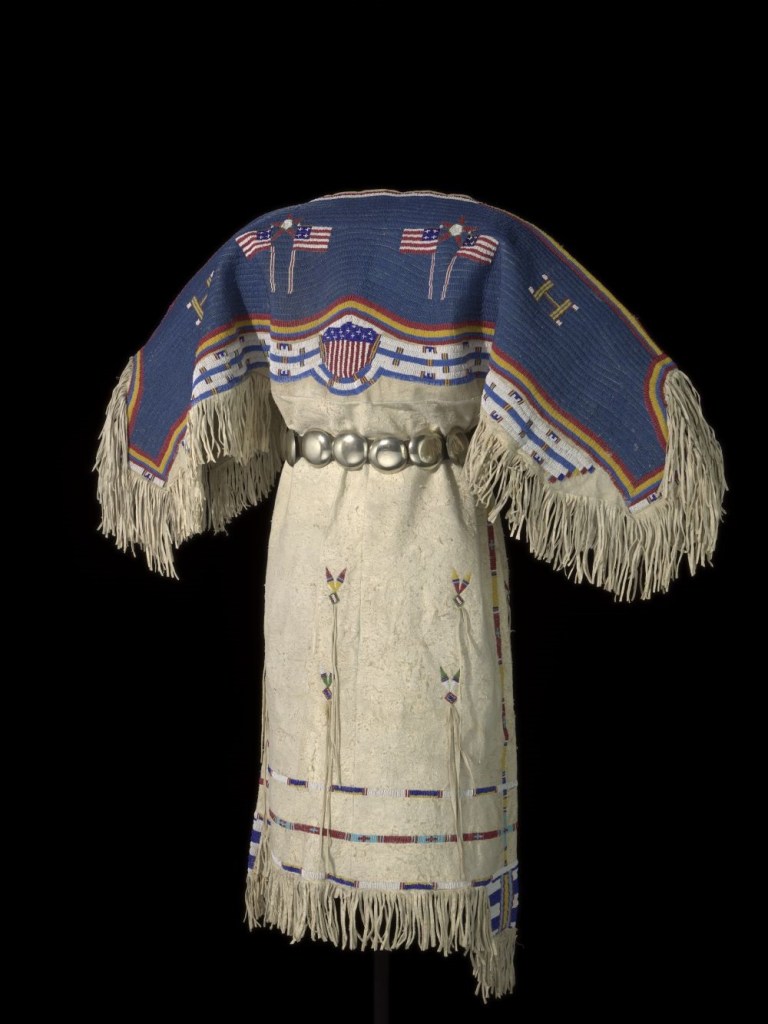
A Lakota beaded dress is decorated with patriotic American imagery. During the late 1800s, Lakota women were forced to find new ways to carry their cultural traditions as they acclimated to reservation life. It was also a time of intense creativity and military jackets as well as the American flag became popular designs.
Dress designers often saw the banner flying over federal outposts, Fourth of July parades, and Wild West shows. They beaded the stars and stripes flag onto dresses to be worn for special occasions. The Lakota dress was likely made for a Fourth of July celebration.
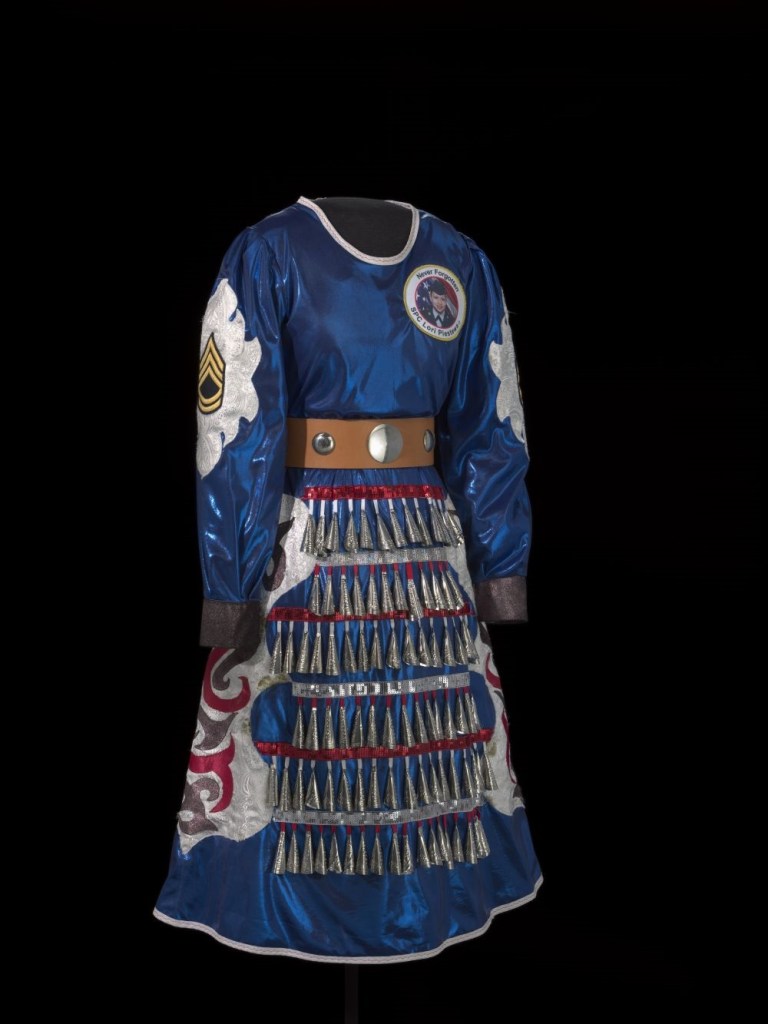
One hundred years later, a blue jingle dress shows Native women’s creative practice of blending the traditional with the new. The Native American Women Warriors, known as NAWW, color guard dress recognizes Native women’s military service.
In 2010, Army veteran Mitchelene BigMan, Apsáalooke [Crow]/Hidatsa, founded NAWW, the nation’s first all-Native women’s color guard. To show her status as a Native woman and a 22-year Army veteran, she designed the blue jingle dress that she proudly wore during the 2013 presidential inaugural parade.
Patches representing BigMan’s military service are on the sleeves and back. The patch over the heart on the front honors Lori Ann Piestewa, Hopi, (1979–2003) the first Native service woman to die in combat in a U.S. war when her unit was ambushed in the Iraqi desert in March 2003.
FILM: Emmy awards recognize Indigenous talent
Indigenous works were honored by the 2026 Emmy Awards as they were handed out in separate regional award shows across the country.
The Indigenous documentary, “Guardian of the Land,” won three Northwest Regional Emmy Awards, including historical/cultural long form content; the director award, LaRonn Katchia; and for photography. Produced by Oregon Public Broadcasting, the film explores Indigenous perspectives of Bigfoot as a sacred protector of the land rather than a hairy beast myth.
In La Jolla, California, the Pacific Southwest Emmy Awards named the film, “Tiger,” from KVCR/FNX Television as best documentary. The film chronicles the life of renowned Indigenous artist and elder Dana Tiger, Muscogee/Seminole/Cherokee, and her family’s resilience as they revitalize the iconic Tiger T-shirt company.
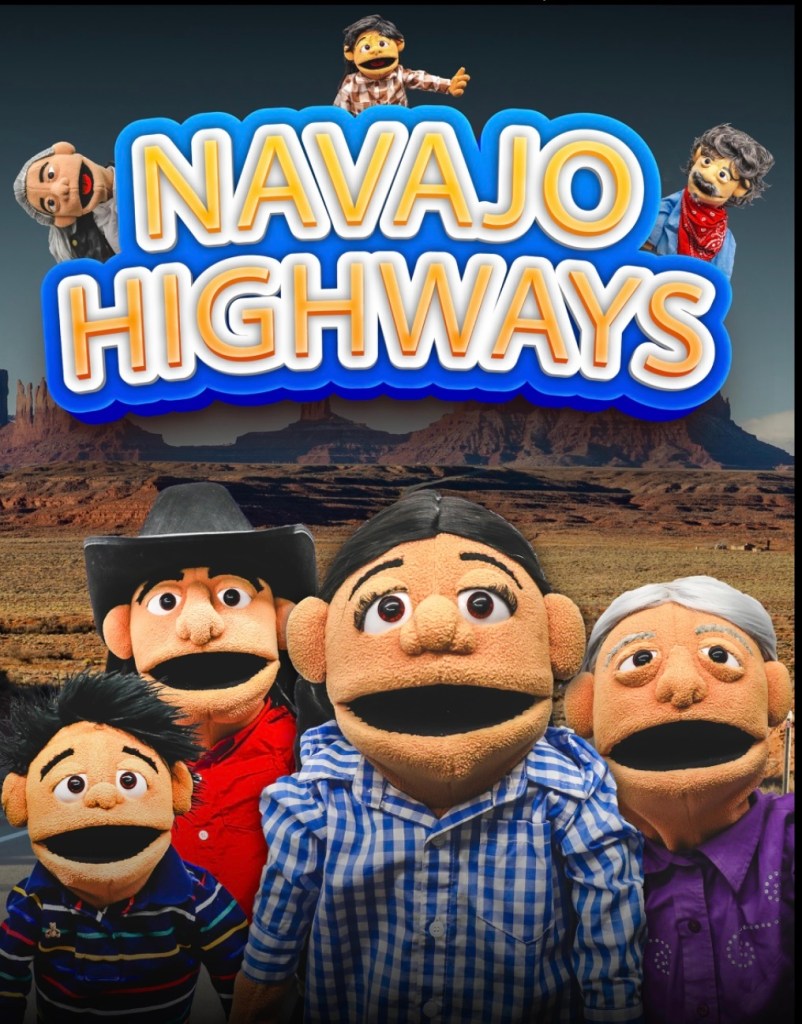
“Navajo Highways,” a puppet show on KVCR/FNX Television won Informational/Instructional – short form or long form content and for set design.
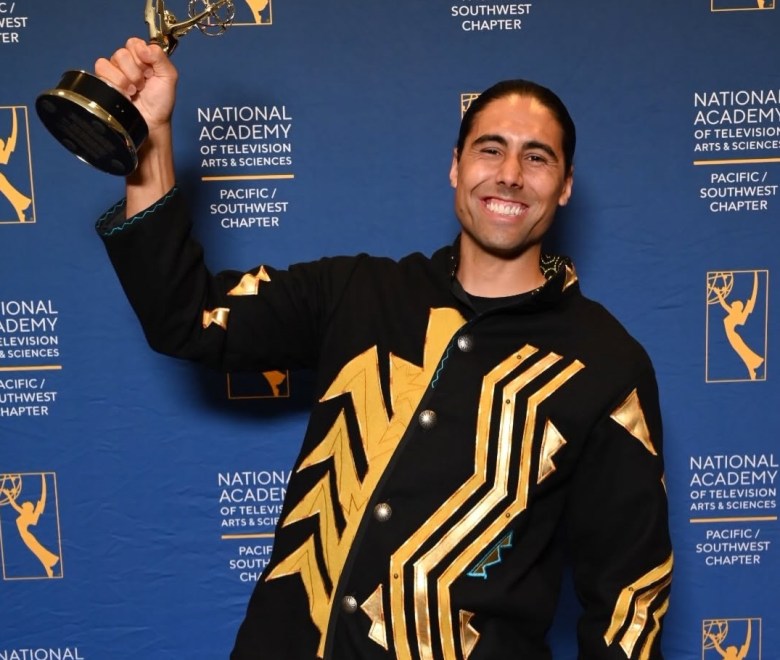
“Courage,” from Eric Michael Hernandez, Lumbee,. won for director in long-form content. The film, which was also on KVCR/FNX, tells the story of Hernandez’s journey from a young boy who at first wanted to play basketball but turned to his family’s tradition of hoop dancing.
It has been racking up awards for months and features his real life hoop dancer uncle, Terry Goedel, who recently performed with Hernandez at the Autry Museum Indian Market. The film also features singer PJ Vegas, celebrity chef Pyet DeSpain, actress Cara Jade Myers and Mateo Ulibarri as the young dancer.
MUSIC: Women in music give back
Grammy award-winning, multi-platinum pop star Olivia Rodrigo has announced Daisy Chain Fields, a new music festival bringing together women in music to support and uplift women and girls. The festival celebrates the power of collective experiences for new ideas, deeper understanding, and a drive to action.
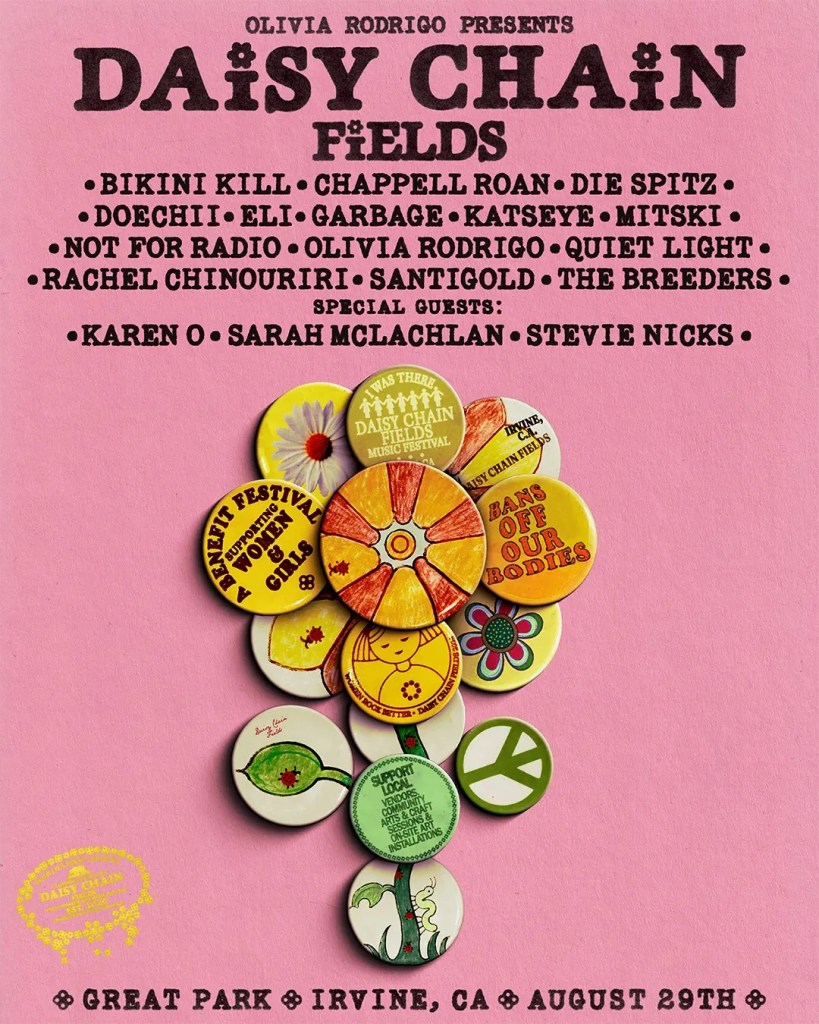
Proceeds are going to multiple nonprofits focused on women and girls, including Johns Hopkins Center for Indigenous Health which is focused on bringing together Indigenous knowledge, community wisdom, and public health practices to advance health equity and support stronger Indigenous communities worldwide.
Set for Aug. 29 at Great Park in Irvine, California, the single-day event features Bikini Kill, Chappell Roan, Die Spitz, Doechii, Eli, Garbage, KATSEYE, Mistki, Not For Radio, Olivia Rodrigo, Quiet Light, Rachel Chinouriri, Santigold, and The Breeders, on two stages, with special guests Karen O, Sarah McLachlan and Stevie Nicks.
Rodrigo says “Daisy Chain Fields” is a music festival founded on the belief that joy, community, and creativity can inspire meaningful change.
“Beyond its philanthropic impact, Daisy Chain’s core purpose is to cultivate joy and shared understanding, creating space for meaningful moments of connection across generations and communities,” Rodrigo said on the festival website. “Daisies are wild and beautiful. As a chain, they are strong and unbreakable.”
The Hopkins Center said the event “resonates deeply” with its work.
“Across the communities we serve, we know that well-being is strengthened through connection, culture, community, and shared experiences,” according to a statement. “We are committed to advancing Indigenous-led solutions that support the health of women, children, and families, and to create pathways where knowledge leads to strength and action for future generations.
“Daisy Chain Fields’ focus on empowering women and girls closely aligns with our efforts to uplift community-driven approaches to health and healing through programs like Family Spirit, which brings resources and support into the home space.”
