
Amelia Schafer
ICT
A tribal nation has just partnered with prediction market giant, Kalshi, marking the first tribal venture into the rapidly growing online trading industry.
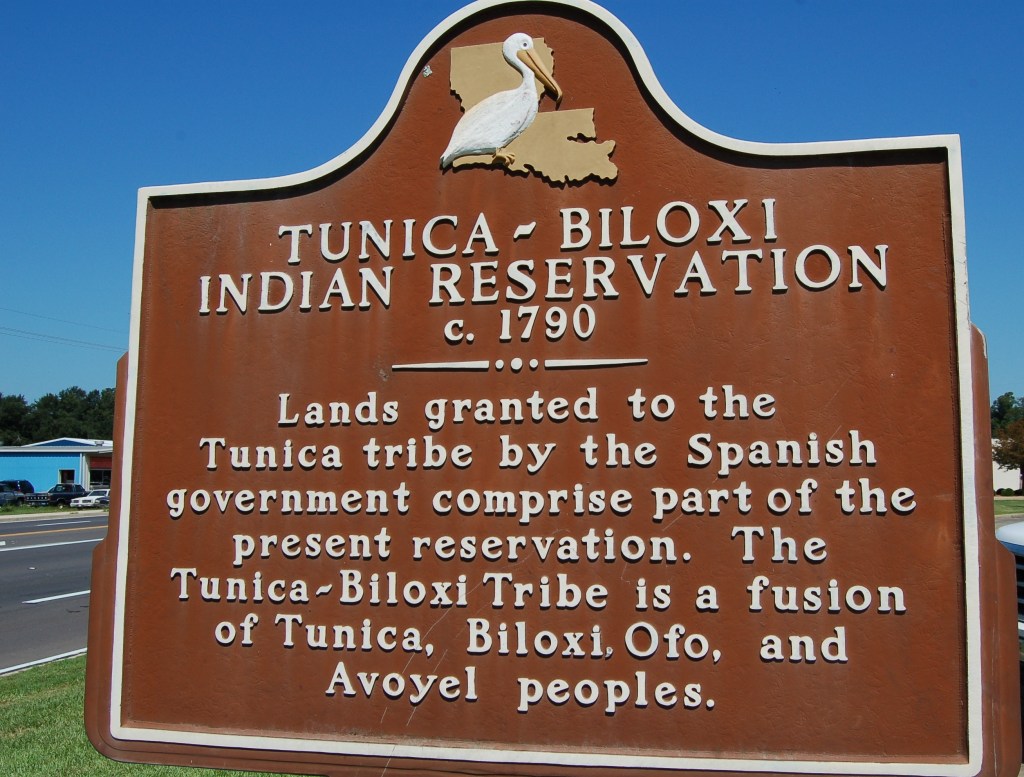
The Tunica-Biloxi Tribe, a federally recognized tribe headquartered in Marksville, Louisiana, recently announced the creation of SaltTrade Derivatives, which will offer online trading powered by Kalshi’s infrastructure. The app will function similarly to other prediction markets.
“Tunica-Biloxi is just exercising tribal sovereignty,” Tunica-Biloxi Chairman Marshall Pietre told ICT Tuesday. “Every tribal nation has a right or the same authority to enter into or not enter into. I do think it’s gonna bring an economic boost to Tunica-Biloxi, but the reason we got into it is to bring an economic boost into all of Indian Country… it’s to pave the way for all 575 federally recognized tribes.”
The decision falls in the midst of ongoing legal battles between the tribal gaming and prediction market industries.
“Our decision will generate discussion and debate,” Pierite said in a statement on the tribe’s website. “Some Tribal nations and state governments have raised concerns about prediction markets, particularly contracts involving sporting events and whether certain products cross the line into gaming. Those questions are being contested in courts and regulatory proceedings. We respect those concerns, and we respect the sovereign right of every tribal nation to reach its own conclusion.”
Some leaders in the Indian Gaming industry expressed disappointment over the announcement.
“I wish the people of Tunica-Biloxi success in their new venture, but it changes nothing about our fight against prediction markets and Kalshi,” Victor Rocha, Indian Gaming Association Conference Chair and a Pechanga Citizen, told ICT in an email. “We have an obligation to our children to fight for their tribal sovereignty, and fight we will.”
Contrary to concerns raised by the Indian Gaming Association and National Congress of American Indians and others, Pierite said the tribe has not seen any evidence of prediction market revenue negatively impacting tribal gaming revenues.
“What we see is an enormous opportunity to modernize – it’s not a threat to existing revenue, it’s a new revenue stream that didn’t exist before,” Pierte said in the statement.
“The Tribe is making a point I’ve believed for a long time and that the wider debate has often missed: prediction markets and Tribal economic development don’t have to be at odds,” Kalshi Chief Executive Officer Tarek Mansour said in a statement posted to Kalshi’s website. “They can reinforce each other, and the future doesn’t have to be organized around conflict. It can be organized around opportunity, allowing Tribal nations to participate directly in a new and growing market, and to help shape what it becomes.”
The same day the partnership was announced, the United States Court of Appeals for the Ninth Circuit ruled in favor of two California tribes, Blue Lake Rancheria and Chicken Ranch Rancheria of Me-Wuk Indians, in their ongoing lawsuit against Kalshi. The tribes claim that Kalshi and other prediction markets are operating in violation of the Indian Regulatory Gaming Act by operating in California.
The Appeals Court ruled that Kalshi is likely violating federal law by allowing users to access their platforms on tribal land.
In June, Mansour reportedly said the platform was in the midst of productive conversations with several tribes.
Notably, Mansour and other Kalshi executives donated a combined $15,000 to Angie Craig, who was the opponent of Minnesota Lt. Peggy Flanagan, White Earth Nation, in the state’s primary election in August for U.S. Senate.

