
Amelia Schafer
Tribal leaders are demanding legislators reject the Bipartisan American Affordability and Jobs Act, warning that it presents dire threats to tribal sovereignty.
The bill, S. 5653, is designed to streamline construction timelines for electric transmission lines, power plants, natural gas infrastructure and pipelines in an effort to create jobs and reduce energy costs for Americans.
However, one of the methods used to expedite approval processes includes a proposal to strip tribes of rights to object to projects involving sacred or religious sites.
“Congress is about to trade them for speed, and tribes and the public will pay for it,” said All Pueblo Council of Governors Chairman Joey Sanchez of the Pueblo of Santa Ana in a statement.
Sanchez traveled to Washington to urge rejection of the bill, known as BAAJA. “All 20 Pueblos acted together and gave Congress our answer: no on BAAJA,” he said.
The Senate is expected to vote on the bill on Monday. Last week the chamber voted 73-25 to advance the bill through cloture, a procedural step needed to advance many bills.
The All Pueblo Council of Governors is an advocacy group composed of leaders from 19 Pueblo nations in New Mexico and the Ysleta del Sur Pueblo in Texas.
Other multi-tribal coalitions such as the Great Plains Tribal Chairman’s Association, United South and Eastern Tribes, Rocky Mountain Tribal leaders council and more joined the All Pueblo Council of Governors in urging Congress to stop the bill.
Title III of the BAAJA bill includes proposed changes to Section 106 of the National Historic Preservation Act. The proposed changes remove the current obligation to consult with tribes regarding projects, meaning federal agencies can choose not to consult with tribes.
“The Section 106 process … has been one of, if not the most important, tools that tribes have had to protect their sacred places and to ensure that their concerns and values are considered by agencies and inform agency decision making,” Wesley Furlong, a senior staff attorney at the Native American Rights Fund, told ICT. “There is no other law that has allowed tribes a seat at the table like this to ensure that they are informing decision making and protecting their sacred places. This bill wipes that away and entirely removes tribes from this process, and removes any thought that tribal and Indigenous values are important or should be considered in federal decision making. It’s a real step backwards in the federal government’s relationship to tribes.”
Under this bill, if a company were to propose the construction of a data center using federal funding on private or state land within a site like the Black Hills, a place sacred to the Oceti Sakowin nations and others, there would no longer be any obligation to consult with the tribes involved.
“And that is fundamentally different than it is now,” Furlong said. “If the federal government is funding a project, regardless of where it’s being built, they have to consult with tribes about the project, how it’s going to affect sacred places and how to resolve those effects to sacred places.”
Further, under the proposed legislation, there are no considerations made for lands where tribes have a treaty right to use for hunting, gathering or fishing, even then.
“This bill does not consider treaty rights at all,” Furlong said. “If there are treaty rights to access, that is a whole separate thing that tribes can assert independently of this, but tribes are often limited in asserting treaty rights in litigation.”
Section 106 of the National Environmental Policy Act is what federal agencies most commonly defer to when engaging with tribes, Furlong said. If this bill passes, tribes won’t have that statute to rely on any more for protection and the government won’t have any reason to involve tribes in projects involving their sacred lands.
“If they don’t have to do that anymore, it is very conceivable that agencies will just not engage with tribes about impacts to treaty rights and resources,” Furlong said. “This bill does not abrogate treaty rights, but it takes away a mechanism by which most agencies … use to engage in those conversations and those consultations, and tribes will just be left to have to litigate this after a permit is issued, and that’s a really terrible place to be in – rather than engaging with tribes up front and having those conversations early.”
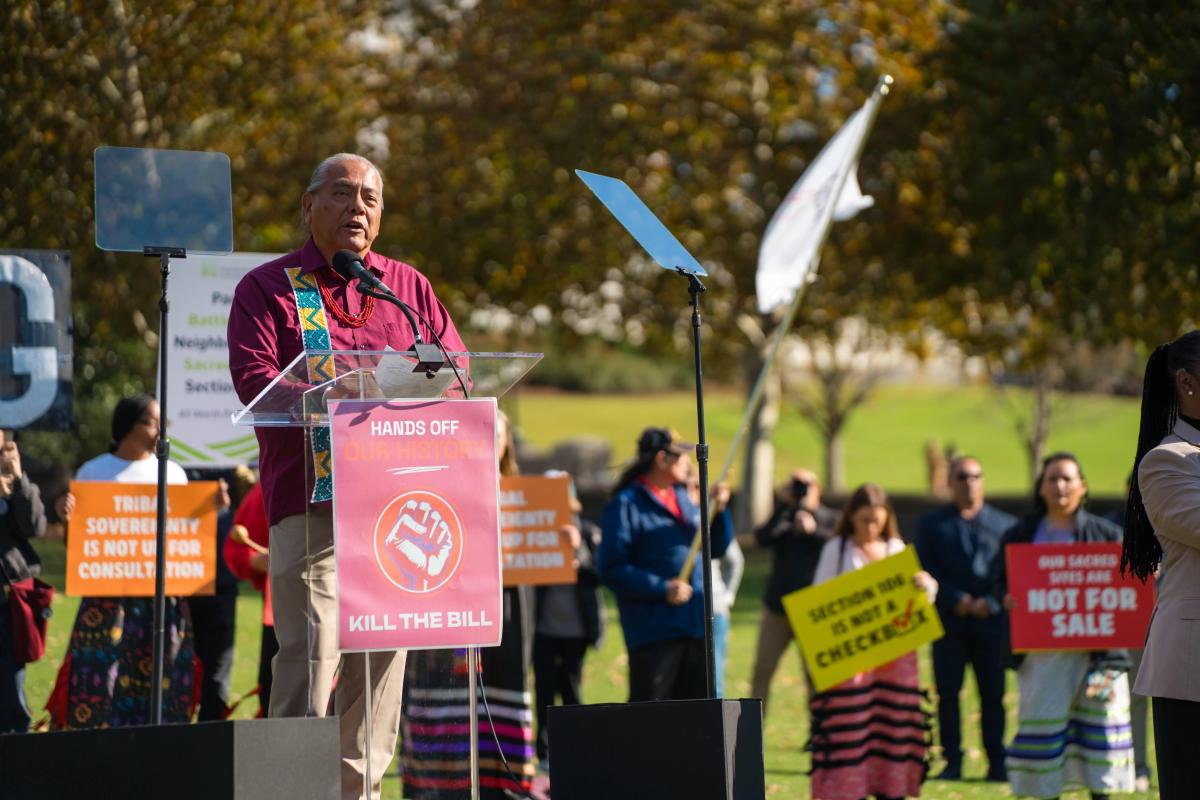
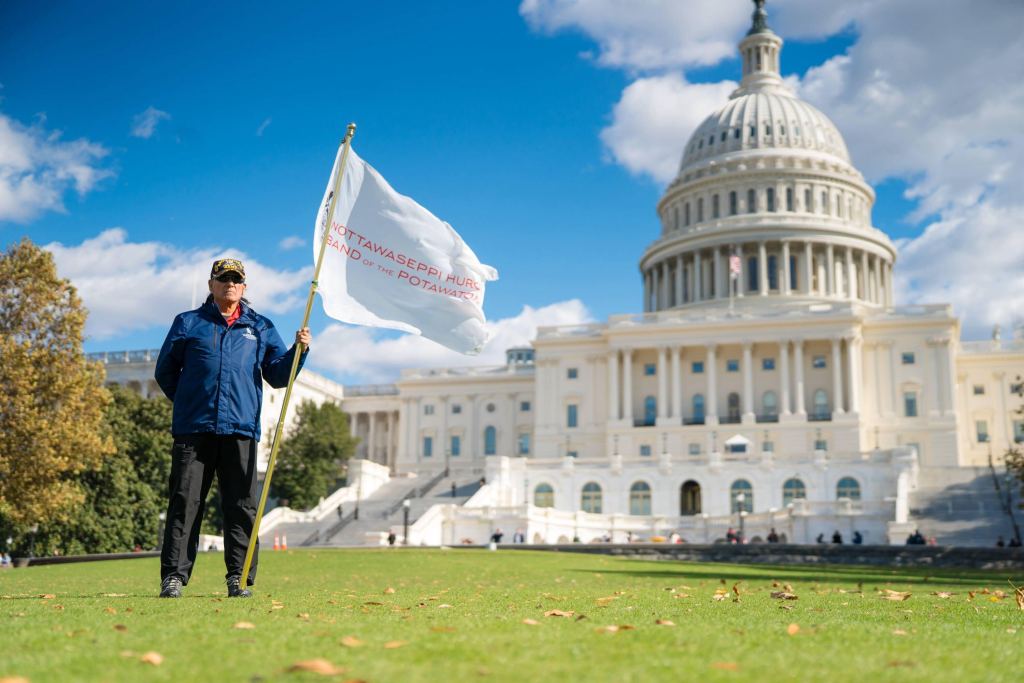
Representatives from over 100 Native Nations gathered at the steps of the United States Capitol Building last week in opposition to the bill.
“NARF and our clients and our partners have been continuing to engage as often and as much as we can within conversations with members of the House and the Senate and their staff about the concerns about this bill,” Furlong said. “They have not voted on it yet, they have not done an up or down vote yet. There’s still opportunity to engage, and you know we and our partners and our clients continue to try to engage as much as possible and educate members of this House and Senate and their staff about the dangers that this bill poses to tribes and our public lands.”
