
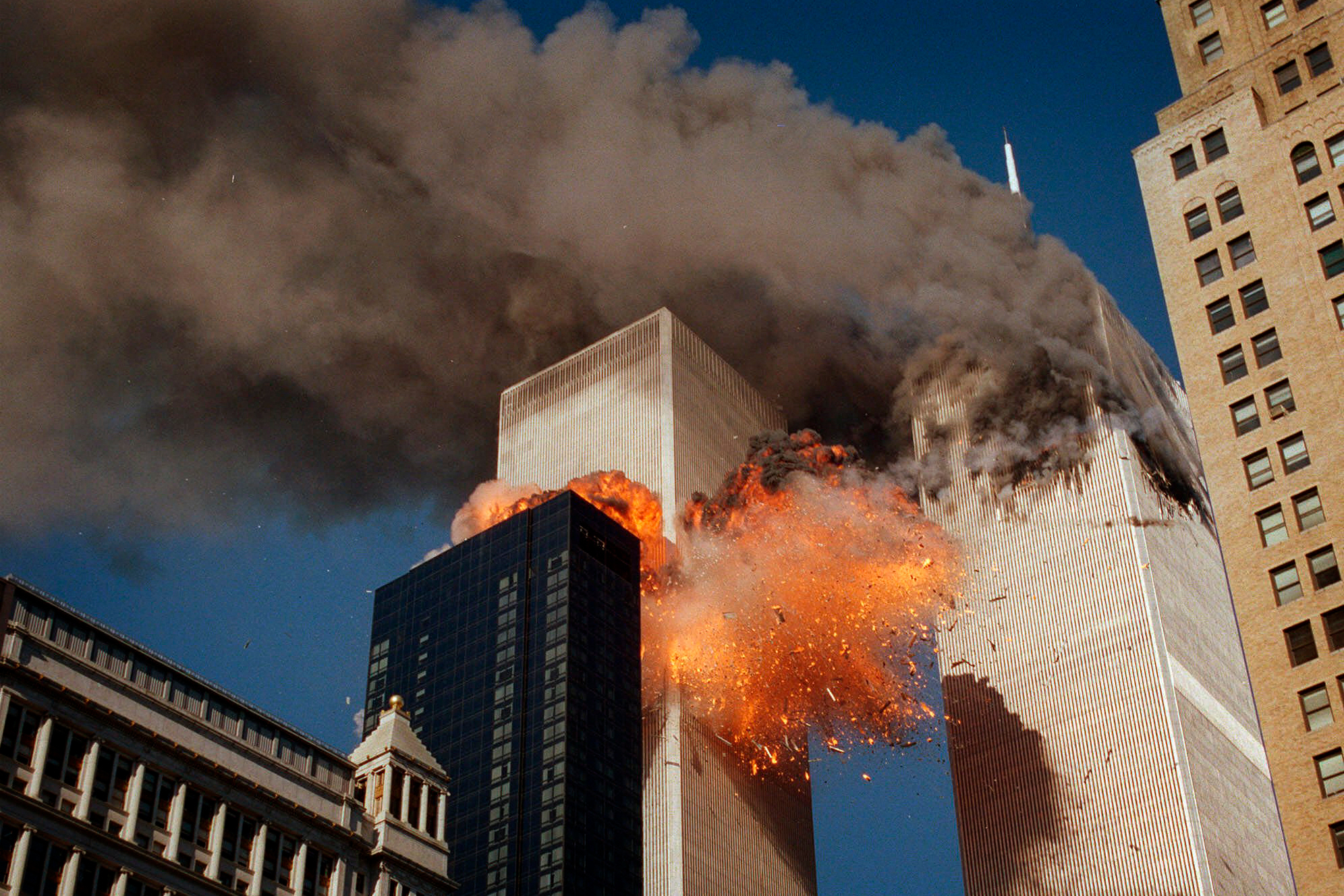
This year marks the 25th anniversary since the attacks on Sept. 11, 2001, in New York City and Washington, D.C. If you are feeling triggered, the Centers for Disease Control and Prevention operates a Disaster Distress Helpline at 800-985-5590.
Shirley Sneve
ICT
Lindsay LeBorgne was in Amsterdam when the Twin Towers collapsed. A shopkeeper brought him to his storeroom to watch TV.
“He showed me CNN international and I’m looking at the World Trade Center on fire, and I’m looking at it, and I’m like, but what happened?” LeBorgne, who was on a trade mission for the Kahnawáke council at the time, told ICT. “And while I’m watching that, the other plane hit, but I couldn’t see it because the view they were looking at was right at the tower that that hit all of a sudden you see another explosion.”
It changed the country and it changed LeBorgne’s family.
He’s a fourth-generation Skywalker – a term used for the many New York and Canadian Native American ironworkers that built much of New York City. His father and grandfather worked on the World Trade Center.
“Not only me and my father, but a bunch of my uncles and cousins all worked on there, too,” he said. “There had to be out of my family, like eight different men that had worked on either of the two towers at some point.”
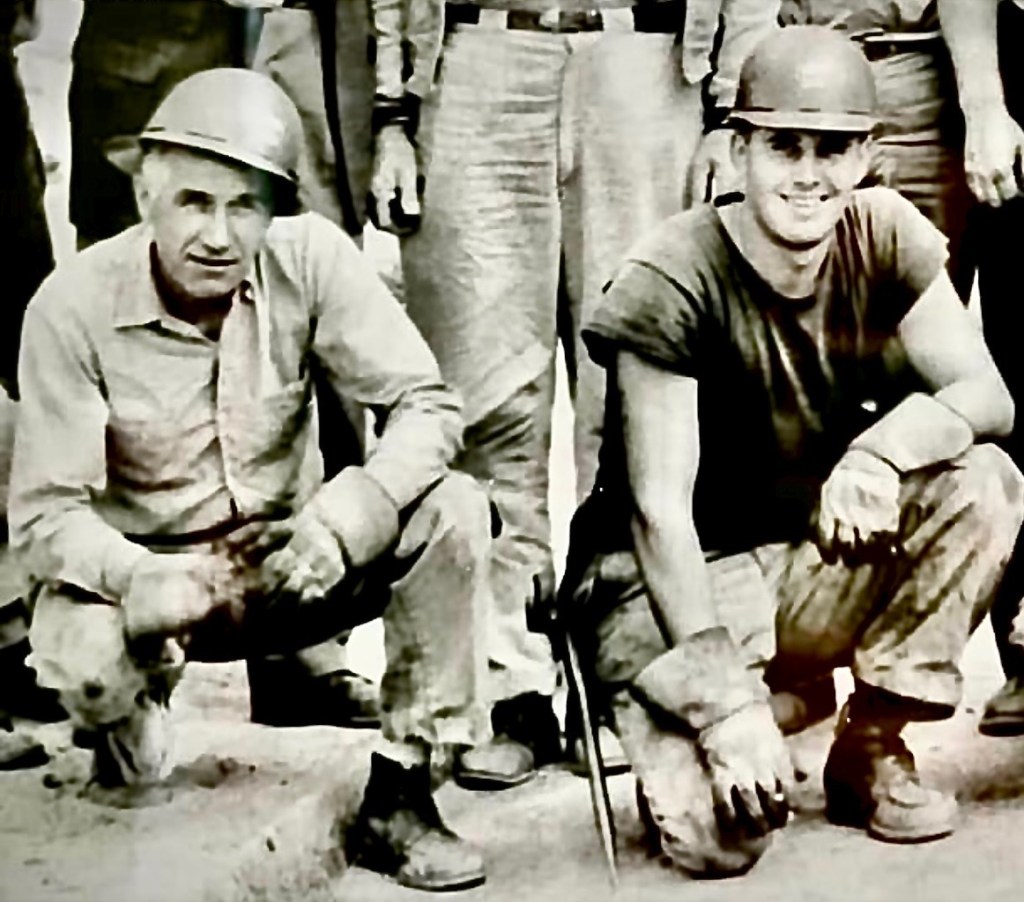
LeBorgne also helped with the clean-up.
It took several days to return from Amsterdam to his Montreal home, due to canceled flights. On Sunday, Sept. 16, 2001, he took action.
“I went with some friends of mine that were going back to New York. They were working on a different job, and I went down to the union hall. … They were sending men out to the World Trade Center,” LeBorgne remembered.
He went.
He worked 12-hour shifts for a week. “And that was my contribution to the rescue recovery at the World Trade Center,” the buildings he helped construct.
“They briefed us before we went and said, look, you’re going to see, probably airplane parts. You’re going to see, you know, maybe, you know, people’s wallets. You know, obviously you’re going to see you’re going to see people and, and, and bodies, you know, pieces of people,” he said. “So be prepared.”
He remembered his instructions: “Don’t touch anything. If you find one of these things, tell the nearest policemen or firemen and just wait there until they get there.”

The ironworkers were dropped off six blocks from the site and walked in.
“The closer we got, the more everything looked like, I would say, like a moonscape. Everything was a white, grayish ash all over everything. And the closer you got, the thicker it got. Like, it was like talcum powder … with all sorts of papers that had flown out of the Trade Center when they were collapsing,” he said.
“There was, like, office papers all over the place, and it was super quiet because that ash like, like when it snows, like the snow fall didn’t sound. It was like that. There were no cars, there were no people other than just guys that are working there and the blocks leading up to it. There was nobody because they were working at the site.”
The noise of heavy machinery finally disrupted the quiet when he got to the site.
“It was just unimaginable. I’m not dreaming this. … This is real. Two of the tallest buildings in the world at one time are gone. There’s an empty spot. And where they used to stand, it was insane,” he said. “I really wrap your mind around it because it was something that I never expected to ever see.”
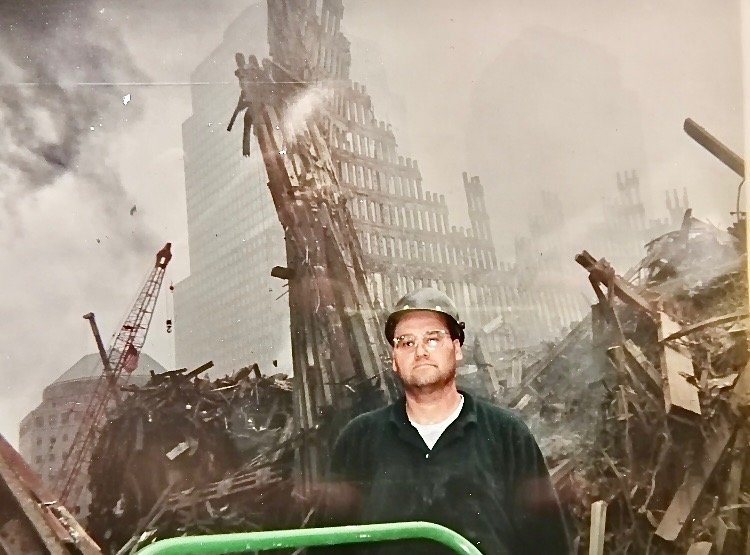
Neither did his father, who watched the building collapse with his mother from Montreal.
“He told me he was watching with my mother who said she thought that’s going to collapse. And my father told her ‘no, I worked on that building. It’s not going to collapse.’ So, he was just as surprised as I was.”
LeBorgne grew up in Brooklyn, where many Mohawk families moved for work.
“Out of the 20 apartments in our building, 16 of them were Mohawks from Kahnawáke. At that time, mostly all the adults spoke Mohawk. I was surrounded by the Mohawk language,” he said.
It was almost like being at home, which made the terror attack personal.
“As someone who grew up in New York, it was almost like a direct attack on me. Plus, I served four years in the U.S. Navy,” LeBorgne said, “So I really did feel like it was a direct (attack) on my friends, family and the country.”
He’ll be back in New York City for the 25th anniversary. For the last eight years, he’s helped read the names of the first responders who lost their lives at the annual ceremony at Ground Zero.
He’ll also go for his annual checkup at New York’s Mount Sinai Hospital that’s part of a medical monitoring program for anyone who worked at the site of the tower collapses.
Now 68, he says he’s in pretty good health.
“Well, besides the cough that I never seem to get rid of, they tell me I’m fine. I get chest X-rays and blood tests and all the psychological tests,” he said. “But I just have never been able to shake (the cough).”
