Greetings, relatives.
A lot of news out there. Thanks for stopping by ICT’s digital platform.
Each day we do our best to gather the latest news for you. Remember to scroll to the bottom to see what’s popping out to us on social media and what we’re reading.
Also, if you like our daily digest, sign up for The Weekly, our newsletter emailed to you on Thursdays. If you like what we do and want us to keep going, support and donate here.
Okay, here’s what you need to know today:
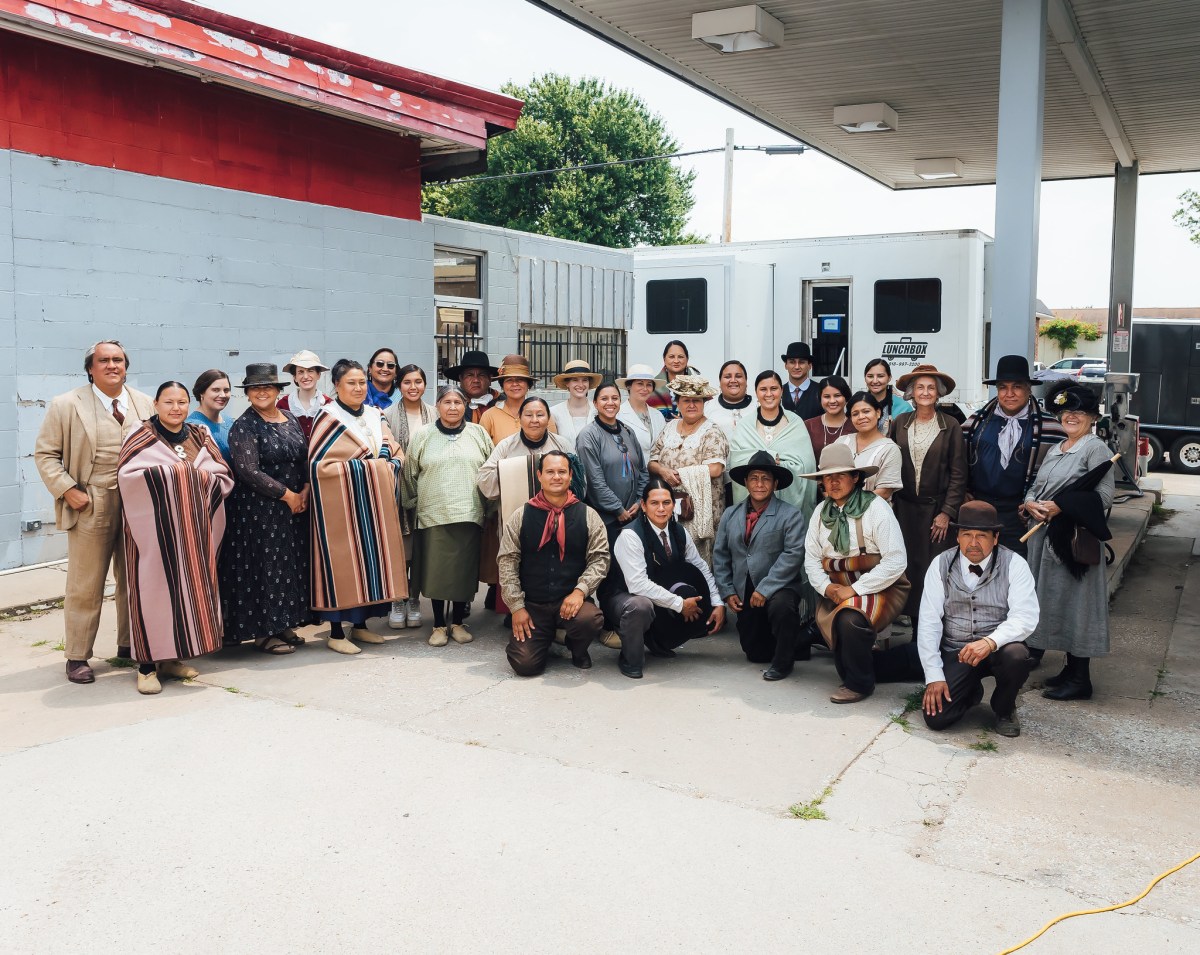
“Killers of the Flower Moon” film that has garnered global attention with its take on Osage nation history. But what about those who were not on screen? Chef Niko Albert Williams has been setting her table with Indigenous foods. She talked to ICT’s Mark Trahant about Leonardo DiCaprio, and why we should be thinking about duck eggs.
The Los Angeles premiere of “Killers of the Flower Moon” brought Osage tribal citizens and its consultants to the red carpet. Opening weekend put the film at the top of the global box office at $44 million. Those involved shared their experiences, reactions, and hopes for the impacts of the film. ICT’s Paris Wise has the reporting in partnership with FNX.
It’s easy to imagine the tools of an artist: Canvas. Brushes. Oil. But what about something less? Such as art from an ordinary writing instrument. ICT’s Demi Dupavillon has this profile of a Hopi artist Quinn Honanie. READ MORE — ICT
SUPPORT INDIGENOUS JOURNALISM. CONTRIBUTE TODAY.
The Farmington Police Department on Thursday released video from a shooting where they assisted the Navajo Nation and the armed suspect ended up dead.
The Oct. 6 incident was the first time in the agency’s history officers were directly involved in a shooting while supporting Navajo police, Police Chief Steven Hebbe said in a statement.
The ordeal began when tribal authorities received reports just after 4:30 p.m. that someone was walking around with a shotgun on the Navajo Nation reservation, which extends into New Mexico, Utah and Arizona.
Navajo police officers responded and the suspect, identified as Brandon Blackwater, sequestered himself inside an RV trailer.
Police attempted to negotiate with him for almost an hour when he opened fire, according to a timeline released by Farmington police.
One officer was wounded and transported to a hospital.
The footage shows Navajo firefighters working when suddenly one officer shoots multiple times and other gunfire can be heard. An officer than yells to “cease fire.”
Blackwater, who had the gun tied to him, was pronounced dead at the scene. FBI investigators are determining who fired the shots that killed Blackwater and the cause of the fire. — Associated Press
A biweekly column from ICT with the latest news from the arts and entertainment world. READ MORE — Sandra Hale Schulman, ICT
Sign up here to get ICT’s newsletter
Since time immemorial, the area now known as the Umpqua Valley has been inhabited by the Cow Creek Umpqua Tribe.
Throughout history they have met, shared stories and held on traditions. They continue to meet, share and educate the younger generation as their tribe has seen a rebirth in recent history.
In 2023, the Cow Creek Band of Umpqua Tribe of Indians grew to nearly 2,000 citizens, donated more than $1 million to the community, offered health care and education to the public and operated businesses throughout the county by doing things “the Cow Creek way” — with a focus on community and helping others. READ MORE — The News-Review
Across the roughly 1,300 square miles of the White Earth Nation in northwest Minnesota, tribal citizens harvest wild rice in waters that have sustained them for generations. They’ve been working for decades to restore sturgeon, a culturally important fish, and they harvest minnows and leeches to supply bait for anglers across the country.
But the White Earth Band can no longer depend on the clean, abundant waters that make those activities possible. Droughts brought on by climate change and irrigation for agriculture have threatened the reservation’s rivers and lakes. Manure runoff from factory farms could poison the water that’s left.
Last year, the tribal government passed an ordinance to restrict withdrawals of water from the reservation and adjacent lands that share an aquifer. Under the statute, farms and other businesses seeking to withdraw more than 1 million gallons per year must obtain a permit from the tribe.
“White Earth firmly believes that if they did not take this action, the health and well-being of their members would be imminently harmed,” said Jamie Konopacky, the tribe’s environmental attorney. “Because of the growing concern about massive water appropriations, they passed this ordinance to give themselves independent permitting authority.” READ MORE — Stateline
- Water protectors in Hawaiʻi took on the US military and won: After 93,000 people were exposed to jet fuel-laced water, federal officials are finally cleaning up a leaking petroleum storage facility
- Hawaiian traditions change through time: On the Thursday edition of the ICT Newscast, a conversation with a MacArthur Fellow about his contribution to hula. A small University owns up to its responsibility to return Native remains stored on campus
- After student walkout, a small victory: Students at Siletz Valley School objected to the school’s refusal to observe Indigenous Peoples’ Day. The school principal later berated them for walking out in protest, but in the end, they were successful: the school board voted to designate the day an official holiday
- A school where students can be ‘unapologetically Indigenous’: The Oceti Sakowin Community Academy is allowing youth to reclaim knowledge and culture taken from their ancestors
- Top Indigenous horror films for Halloween: A (mostly) non-Indian Burial Ground edition
- Four former Oklahoma governors urge Gov. Kevin Stitt to cooperate with state tribes
- 25 picture books, graphic novels, and more with Indigenous protagonists for young readers of all ages
- The history of blackface and Native American halloweencostumes

We want your tips, but we also want your feedback. What should we be covering that we’re not? What are we getting wrong? Please let us know. dalton@ictnews.org.