ICT is working to shape the future of journalism and stay connected with readers like you. A crucial part of that effort is understanding our audience. Share your perspective in a brief survey for a chance to win prizes
Greetings, relatives.
A lot of news out there. Thanks for stopping by ICT’s digital platform.
Each day we do our best to gather the latest news for you. Remember to scroll to the bottom to see what’s popping out to us on social media and what we’re reading.
Also, if you like our daily digest, sign up for The Weekly, our newsletter emailed to you on Thursdays. If you like what we do and want us to keep going, support and donate here.
Okay, here’s what you need to know today:
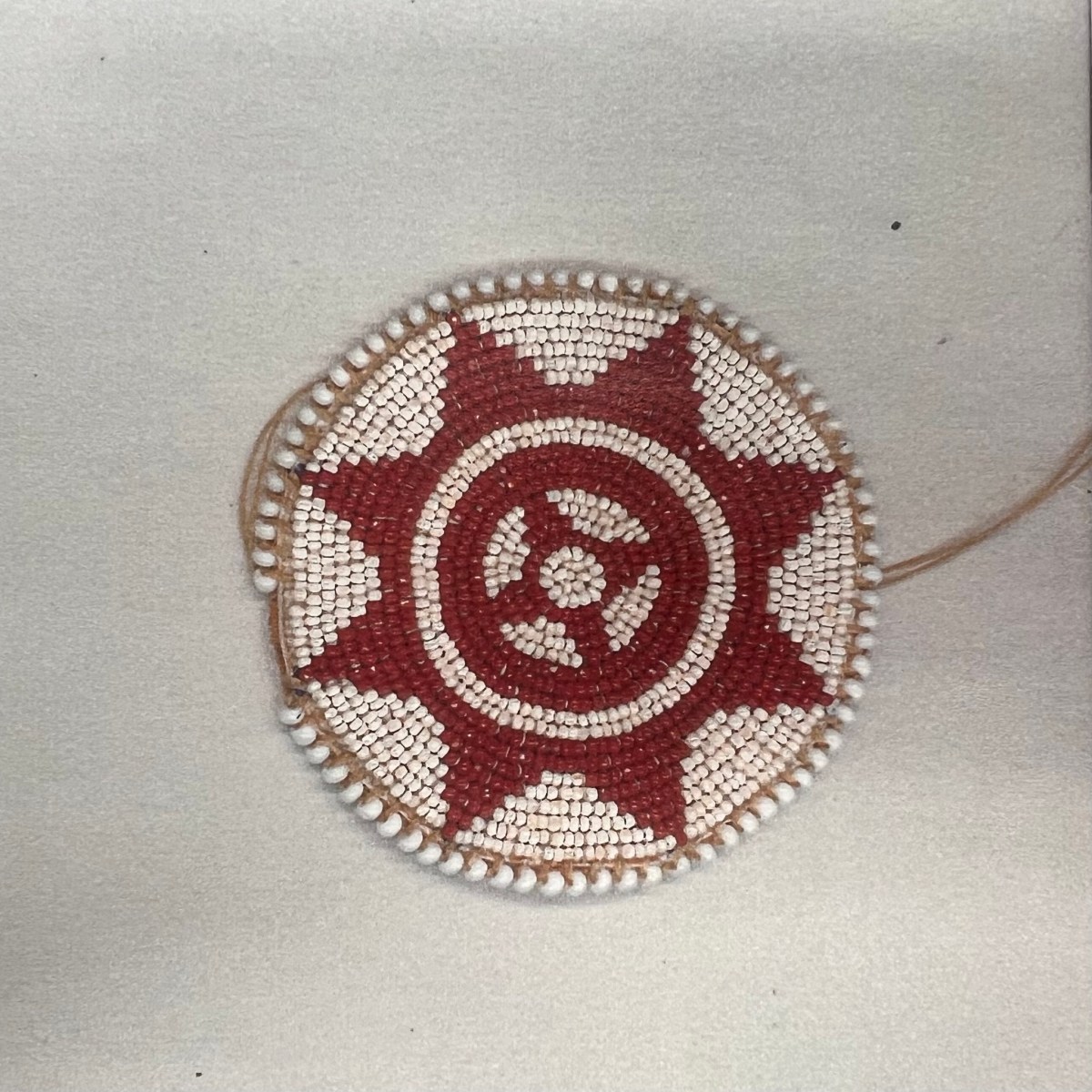
This semester, Whitman College has a visiting professor on staff teaching a unique class on ethnogeology. Professor Roger Amerman is a citizen of the Choctaw Nation who grew up primarily in the Pacific Northwest and attended Whitman himself. Recently Amerman was contracted as the lead beadwork consultant for Marvel’s new show, “Echo.” Now, a geologist and an artist, Amerman will share his knowledge with the next generation of young minds interested in geology — and how Indigenous knowledge is a key piece of the puzzle. READ MORE — Nika Barton-Smith, ICT and Underscore News
SUPPORT INDIGENOUS JOURNALISM. CONTRIBUTE TODAY.
As light from the morning sun began to fill the city of Portland, a group of over 100 community members gathered together on the steps of the Lovejoy Fountain Park in downtown Portland. Traditional Palestinian Keffiyehs, now a symbol for Palestinian freedom, shielded the faces of some attendees and kept them warm in the dreary weather.
The smell of sage wafted through the air leading community members to the Indigenous-led sunrise ceremony in solidarity with Palestine, as Lummi Nation citizen, Nic Niggemeyer, shared a hand drum song with the crowd.
As the clock ticked closer to 9:30 am, attendees lined up inside a City of Portland Building for the Jan. 24 Portland City Council meeting. Dozens streamed into the meeting room. Four people who signed up ahead of time, delivered remarks to city commissioners and asked them to pass a resolution calling for an immediate and permanent ceasefire in Gaza. Mayor Ted Wheeler was not in attendance, as he had a “conflict for the early part of the meeting,” according to commissioner Mingus Mapps, who presided over the meeting. READ MORE — Underscore News
One by one, leaders from across Arizona gave speeches touting the importance of water conservation at Phoenix City Hall as they celebrated the announcement of voluntary agreements to preserve the declining Colorado River in November.
When Tao Etpison took the mic, his speech echoed those who went before him. Water is the lifeblood of existence, and users of the Colorado River Basin were one step closer to preserving the system that has helped life in the Southwest flourish. Then he brought up the elephant in the room: Arizona’s groundwater protection was lacking, and mining companies were looking to take advantage.
“The two largest foreign-based multinational mining companies in the world intend to construct the massive Resolution Copper Mine near Superior,” said Etpison, the vice chairman of the San Carlos Apache Tribe. “This mine will use, at a minimum, 775,000 acre feet of groundwater, and once the groundwater is gone, it’s gone. How can this be in the best interests of Arizona?” READ MORE — Inside Climate News
Sign up here to get ICT’s newsletter
Newscast:
Some gave $5; some gave $100. In the end, more than 100 people united over a single mission to save sacred Ojibwe birch bark scrolls from falling into a black hole of private collectors of Native artifacts.
The good news swept across Facebook late Wednesday afternoon.
“We did it!! The scrolls are back in Anishinaabe hands!” wrote Jerry Jondreau of the Keweenaw Bay Indian Community in Baraga, Michigan. The names Anishinabe and Ojibwe are used interchangeably by citizens of the tribe.
Jondreau learned a few days earlier that the LiveAuctioneers website was selling off a set of four birch bark scrolls, inscribed with messages and symbols that are sacred to Ojibwe people. The scrolls, thought to date from about 1900, were held by a private collector in Ohio but are believed to have come from Michigan.
Jondreau knew he had to do something, so he helped organize an online fundraising campaign to buy the scrolls. By Wednesday, the day of the auction, the campaign had raised over $5,000, exceeding the listed minimum bid of $4,500.
The final purchase price was $7,500. READ MORE — Mary Annette Pember, ICT
Other top stories:
- Monuments to Australia’s colonial past damaged by protesters: The monuments were defaced ahead of a polarizing holiday celebrating the anniversary of British settlement in 1788
- IndigiPolitics: ‘We have a front runner in the Republican party’: ICT’s political correspondent Pauly Denetclaw introduces our newest regular contributor Michael Stopp
- University celebrates alumna Sara Hill’s judicial appointment: The Cherokee Nation citizen is the eighth Native American in U.S. history appointed to a lifetime judge position
- Ambler road decision expected soon for Alaska mining project: Native Alaskans, environmental groups fear damage to habitat, interruption of wildlife migration if roadway approved
- Apple unveils grants For Sundance Institute Indigenous Program, National Museum Of The American Indian
- Indigenous youth are using coding and AI to save Native language
- Native-owned Skydance Brewing expands into casinos

We want your tips, but we also want your feedback. What should we be covering that we’re not? What are we getting wrong? Please let us know. dalton@ictnews.org.