
Greetings, relatives.
A lot of news out there. Thanks for stopping by Indian Country Today’s digital platform.
Each day we do our best to gather the latest news for you.
Okay, here’s what you need to know today:
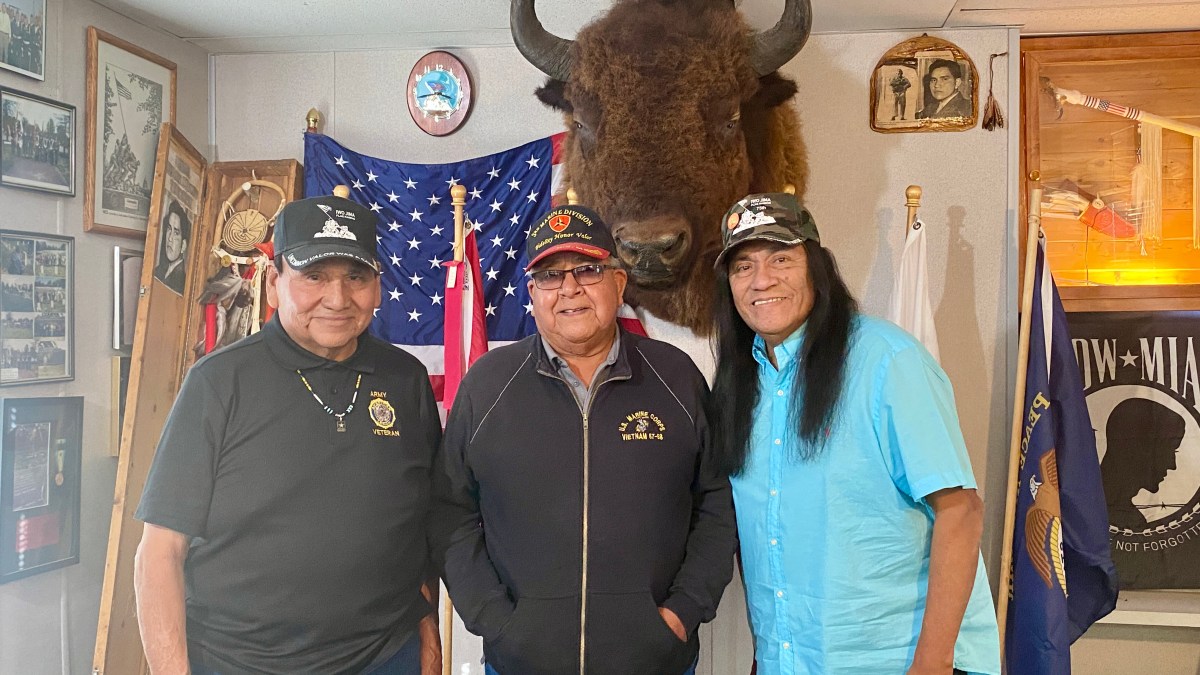
Seventy-seven years ago, Ira Hayes helped raise the U.S. flag on the island of Iwo Jima.
The historic moment was captured in a photo.
World War II was raging in the Pacific and once that photo hit the front page of pretty much every newspaper in the country, Hayes and his fellow U.S. Marines became national heroes.
Still, his bio on the United States Marine Corps University website doesn’t mention the photo or the fanfare that followed. It does note that Hayes is buried at Arlington National Cemetery in Section 34, Plot 470A.
Today, many people have seen the iconic photo but not all know that Hayes was a Pima man from the Gila River Indian Community in Arizona.
“My uncle is Ira Hayes and he was born here on the Gila River reservation in District 5, Bapchule,” said Kevin Whittaker, the family spokesperson. READ MORE. — Patty Talahongva, Indian Country Today
—
SUPPORT INDIGENOUS JOURNALISM. CONTRIBUTE TODAY.
—
YUROK RESERVATION, Calif. — The young mother had behaved erratically for months, hitchhiking and wandering naked through two Native American reservations and a small town clustered along Northern California’s rugged Lost Coast.
But things escalated when Emmilee Risling was charged with arson for igniting a fire in a cemetery. Her family hoped the case would force her into mental health and addiction services. Instead, she was released over the pleas of loved ones and a tribal police chief.
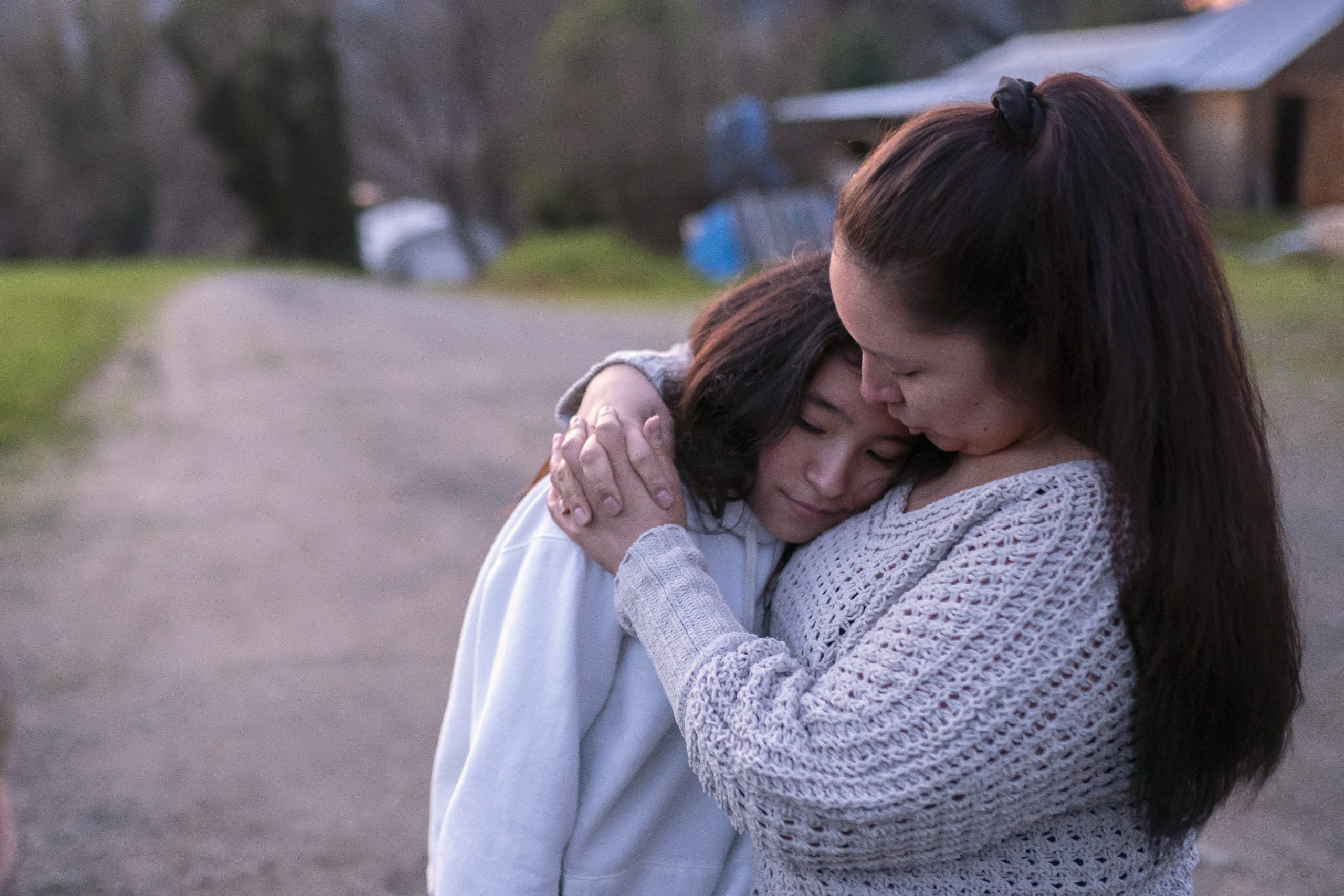
The 33-year-old college graduate — an accomplished traditional dancer with ancestry from three area tribes — was last seen soon after, walking across a bridge near a place marked End of Road, a far corner of the Yurok Reservation where the rutted pavement dissolves into thick woods.
Her disappearance is one of five instances in the past 18 months where Indigenous women have gone missing or been killed in this isolated expanse of Pacific coastline between San Francisco and Oregon, a region where the Yurok, Hupa, Karuk, Tolowa and Wiyot people have coexisted for millennia. READ MORE. — Associated Press
Around the world: Indigenous people in Mexico win a case in the Supreme Court, a Canadian nonprofit is working to raise awareness and end violence against Indigenous women and girls, Australia rejects a request by a mining company to impact a sacred site without consent, Māori kiwifruit growers thrive despite COVID-19 setbacks, and 54 potential grave sites have been discovered at two more residential schools in Canada.
Coverage around the world on Indigenous issues for the week. READ MORE. — Deusdedit Ruhangariyo, Special to Indian Country Today
Descendants of Sisseton-Wahpeton Oyate tribal leaders will sign the necessary paperwork to help bring home the remains of their ancestors.
Relatives of Amos LaFramboise and Edward Upwright plan to gather with South Dakota tribal leaders at the Dakota Magic Casino Convention Center across the state line in Hankinson, North Dakota to sign affidavits that will allow the remains of the two young boys to be removed from the Carlisle Indian School cemetery in Pennsylvania and moved to the Dakotas, Aberdeen American News reported.
LaFramboise’s father helped found the Lake Traverse Reservation government in South Dakota after the Sisseton Wahpeton treaty was signed in 1867. LaFramboise died in 1879 and he was initially buried at the county cemetery and later moved to the school cemetery, according to historians.
Upwright died in 1881 from measles and is the son of Waanatan II, an early tribal chief.
Spirit Lake Nation chairman Douglas Yankton Sr. said signing the affidavits moves the tribes closer to bringing home the remains so they can be buried with their families. The next hurdle is deciding how many people will participate in this process and what expenses the U.S. government will pay.
But, at least with the affidavits, Yankton said, the disinterment can be scheduled, hopefully in the spring or summer. — Associated Press
—
Sign up here to get ICT’s newsletter
—
On Wednesday’s ICT Newscast, a long-time policy expert reviews legislation affecting Native communities in New Mexico, and we continue our “Global Indigenous” coverage. Plus, four Native Republicans are running for Congress.
Watch:
An Indigenous-made documentary about three women fighting to honor their missing and murdered relatives will premiere Tuesday, Feb. 22, at the Big Sky Documentary Film Festival in Missoula, Montana.
The 57-minute film, “Bring Her Home,” follows artist Angela Two Stars, activist Mysti Babineau, and U.S. Rep. Ruth Buffalo as they work to find healing and hope for themselves and their Native communities.
The film is directed and produced by Leya Hale, of the Sisseton Wahpeton Dakota and Diné nations, a producer for Twin Cities PBS whose first feature documentary, “The People’s Protectors,” won a 2019 Upper Midwest Emmy award for best cultural documentary.
“Native women make up less than 1 percent of the U.S. population, yet face murder rates that are more than 10 times the national average,” Hale said in a statement. READ MORE. — Dan Ninham, Special to Indian Country Today
—
FOLLOW ICT ON SOCIAL MEDIA: FACEBOOK, TWITTER, INSTAGRAM, TIKTOK.
—
- ‘They played snow snake at Madeline Island’:Traditional winter game draws renewed interest in northern communities.
- ANCSA: A complete or incomplete story of sovereignty: What wasn’t focused on as much in the Alaska Native Claims Settlement Act debates, was what the land ownership would mean for tribal sovereignty and community governance.
- 2nd lawsuit targets tribal subdistricts:Another lawsuit filed by the Spirit Lake and Turtle Mountain tribes also opposes the North Dakota subdistricts.
- ‘Survival mode’ in Lame Deer:COVID hit Lame Deer Public Schools hard, amplifying long-standing staffing shortages, disrupting routines, and giving administrators, teachers and students new lessons in resilience.
- Are Native businessesand consumers ready for 5G?
- Why Are So Many Indigenous People in Montana Incarcerated?
- Basketball team travels70 miles by snowmachine to its first competition since the pandemic began.
We want your tips, but we also want your feedback. What should we be covering that we’re not? What are we getting wrong? Please let us know. icteditors@indiancountrytoday.com.

