
Greetings, relatives.
A lot of news out there. Thanks for stopping by ICT’s digital platform.
Each day we do our best to gather the latest news for you.
Okay, here’s what you need to know today:
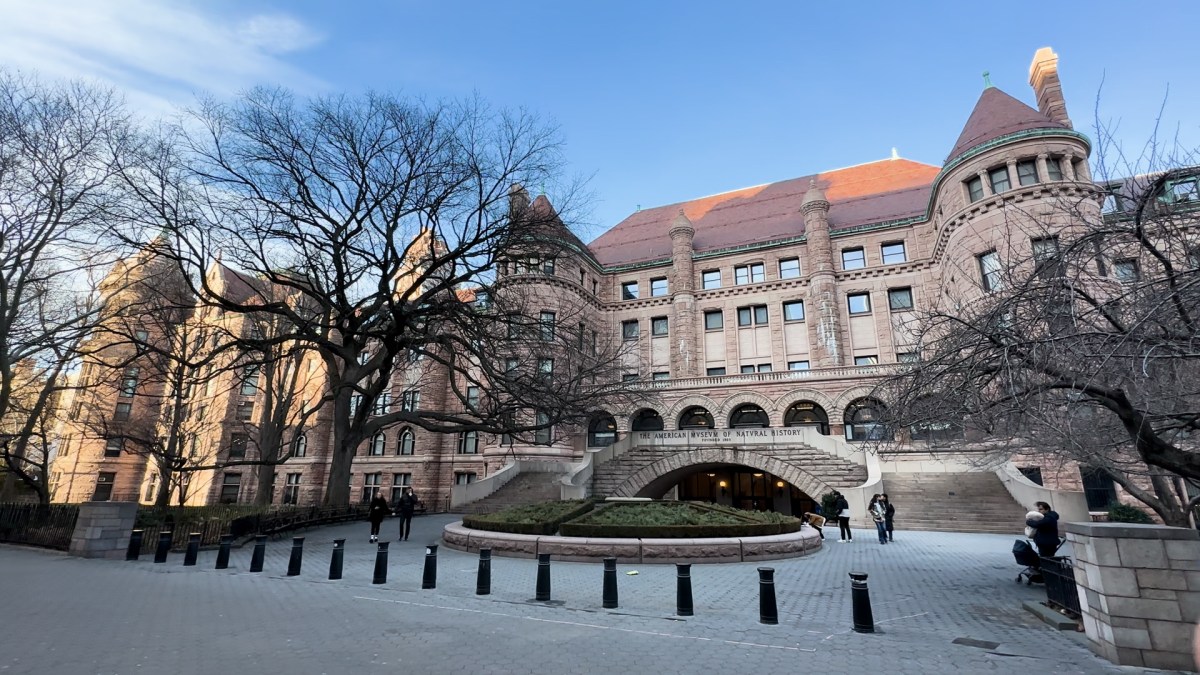
Changes to the Native American Graves Protection and Repatriation Act were announced in the dry language of the Federal Register in December and quietly went into effect earlier this year.
But contrary to the ordinary unveiling, the NAGPRA final rule, as it is called, represents a tectonic shift in how museums, universities and other public institutions interact with Native peoples in repatriation of ancestral remains as well as sacred and cultural objects.
The new rules — which give deference to Indigenous knowledge — have sent museums across the country scrambling to hide Indigenous exhibits from public view as officials work to interpret the changes in the law. READ MORE — Mary Annette Pember, ICT
SUPPORT INDIGENOUS JOURNALISM. CONTRIBUTE TODAY.
She may not have taken home an Oscar, but Lily Gladstone will soon take home the title “doctor.”
The University of Montana will present honorary doctorates in May to the Siksikaitsitapii and Nimíipuu actress, as well as to Carol Tatsey-Murray, a Blackfeet educator who has spent a lifetime preserving Native culture.
The Montana Board of Regents approved the university’s request March 15 to present the doctorates during commencement ceremonies on Saturday, May 11. The university has invited both Gladstone and Murray to be commencement speakers.
Gladstone won best actress awards from the Golden Globes and the Screen Actors Guild for her portrayal of Mollie Burkhart in “Killers of the Flower Moon.” She became the first Native woman nominated for the Academy Award for Best Actress in a Leading Role, but lost to actress Emma Stone on Sunday, March 10. READ MORE. — ICT
The Cherokee Nation Marshal Service found and arrested two men in connection with the killing and decapitation of bison at an Owasso ranch last year.
Last year, Bill Rethke, called the Owasso Police Department after finding two of his bison, which he considers pets, dead on his property.
One bison was shot to death, and the other brutally slaughtered, including beheading.
At least two of the culprits have been identified as Gunner Lee Richards and Tryston Hunter Needham. READ MORE. — Felix Clary, ICT + Tulsa World
Since the release of “Killers of the Flower Moon,” non-Osage headright owners have been attending Osage Minerals Council meetings, standing up and asking how they can return the headrights to the tribe.
They’ve also been calling council members to inquire how to do this, according to Minerals Council Chairman Everett Waller. Waller said he must tell the owners that it is not easy to return the headrights to the tribe because of legislation in effect since 1984. He is hopeful the Osage Nation will be able to overturn the legislation.
Osage Nation mineral headrights are rights to ownership of land on the tribe’s reservation. Owning the land means owning any minerals, such as oil and gas, that come from the land. Mineral profits are paid to the headright owners. READ MORE. — Felix Clary, ICT + Tulsa World
Sign up here to get ICT’s newsletter
The Oglala Sioux Tribe is receiving a boost in internet connectivity, thanks to a $35 million federal grant to develop high-speed access.
The move will benefit 3,300 people, 47 businesses, 55 farms and seven educational facilities across Bennett and Oglala Lakota counties on the Pine Ridge Reservation, according to the U.S. Department of Agriculture.
The funding will be allocated through the federal ReConnect Program and administered by Oglala Lakota Telecommunications.
Nikki Gronli oversees the department’s South Dakota rural development team.
“We’re creating more jobs because they’re expanding their telecommunications network and the entrepreneurship that comes with people having access to high-speed internet,” Gronli said.
The initiative is part of a broader investment totaling $58 million, targeting tribal communities in Nevada, Oklahoma and South Dakota to spur economic development and improve infrastructure. — South Dakota Searchlight
Irene Leonor Flores de Callata, 68, treks along a bone-dry riverbed, guiding a herd of llamas and sheep through stretching desert.
Flores de Callata’s native Kolla people have spent centuries climbing deep into the mountains of northern Argentina in search of a simple substance: fresh drinking water.
Here, in one of the most arid environments in the world, it’s a life force that underpins everything.
In rainy months, the sacred lands surrounding their small adobe town of Tusaquillas well with water. In the dry months, families hike miles under the beating sun, hopeful their livestock can sip from a small plastic container, fed by a hose running high into the distant mountains.
Today is a lucky day. Their blue container is brimming with fresh water. READ MORE. — Associated Press
- Alaska tribes may get greater say in subsistence management: Secretary Deb Haaland’s proposed rule change would give tribal governments greater representation on Federal Subsistence board.
- New Mexico AG launches MMIP task force, portal: Attorney General Raúl Torrez plans to establish a Missing and Murdered Indigenous People task force and an online portal for tracking cases.
- Native people rejoice after Berkeley returns sacred land: The 2.2-acre parking lot is the only undeveloped portion of the shellmound in West Berkeley.
- Tapping maple trees offers glimpse into climate change: At Northwestern, students watch climate change through maple trees.
- Winona LaDuke faults state for DAPL protest costs: LaDuke testifies on federal government’s behalf as North Dakota seeks reimbursement for its costs to police protest.
- Ecuadorian Indigenous Women on why they march.
- Army major honors fallen soldiers with Native eagle feathers in hair.
- Why Osage Nation Members Were The Oscars’ Most Poignant Fashion Stars.
We want your tips, but we also want your feedback. What should we be covering that we’re not? What are we getting wrong? Please let us know. dalton@ictnews.org.