
Kevin Abourezk
ICT
FORT YATES, N.D. – Tasina Sapawin Smith understands now that warfare isn’t necessarily armed soldiers standing across a battlefield and shooting at each other.
Sometimes it’s standing beside your brothers and sisters in the freezing cold as law enforcement officers shoot water cannons, gas canisters and bean bag projectiles at you.
Sometimes it’s spending months trying to make sure your friends and relatives stay fed and warm and don’t get injured.
And sometimes it’s getting bitten by an attack dog on your chest and having to spend years trying to heal from trauma experienced on the frontlines of a place called Standing Rock.

“These past 10 years, I fell into addiction there, a really dark place, something I’m not really proud of, but it’s a part of my story and it’s a part of the story of a lot of folks who left camp,” the Cheyenne River Lakota woman told those gathered recently at a 10-year reunion of the No Dakota Access Pipeline uprising near Fort Yates, North Dakota.
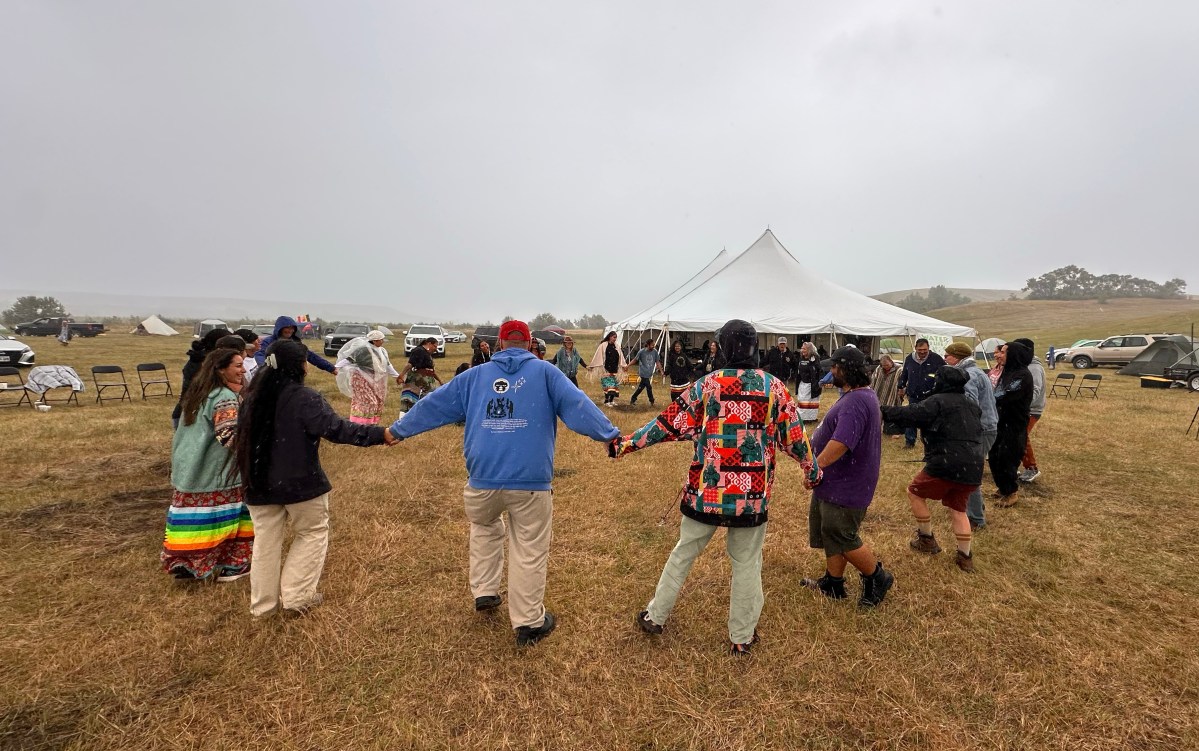
Hundreds of water protectors gathered September 17-20 on private land about 10 miles south of Cannonball, North Dakota, the site of the 2016-2017 Standing Rock encampment that stood opposed to an international and multi state oil pipeline that was proposed to go under the Missouri River.
The original camp ultimately grew to one of the largest gatherings of Native Americans in decades, sparked international attention to environmental issues and brought the term, “Mni Wiconi” or “Water is Life” into the mainstream.
Authorities forcefully cleared out the camp in 2017 and the pipeline was eventually built. But the sentiment, the worldview, the commitment of those who stood up in Cannonball lives on.
As demonstrated at the 10-year anniversary.
Attendees pitched tents, a tipi, an outdoor kitchen and first-aid station. They erected a stage so attendees could stand before their friends and relatives and share their stories.
Many faces familiar to those who took part in the uprising spoke about how Standing Rock changed their lives and how they’ve attempted to carry what they learned and experienced there into their personal lives and the work they do to help the people.
Rachael Parker, Omaha Nation, came to camp with her friend, Tonya Marie Heart-Olsen, Ihanktonwan Dakota. Heart-Olsen traveled to Standing Rock in 2016 and experienced much of the worst that the government had to throw at the water protectors.
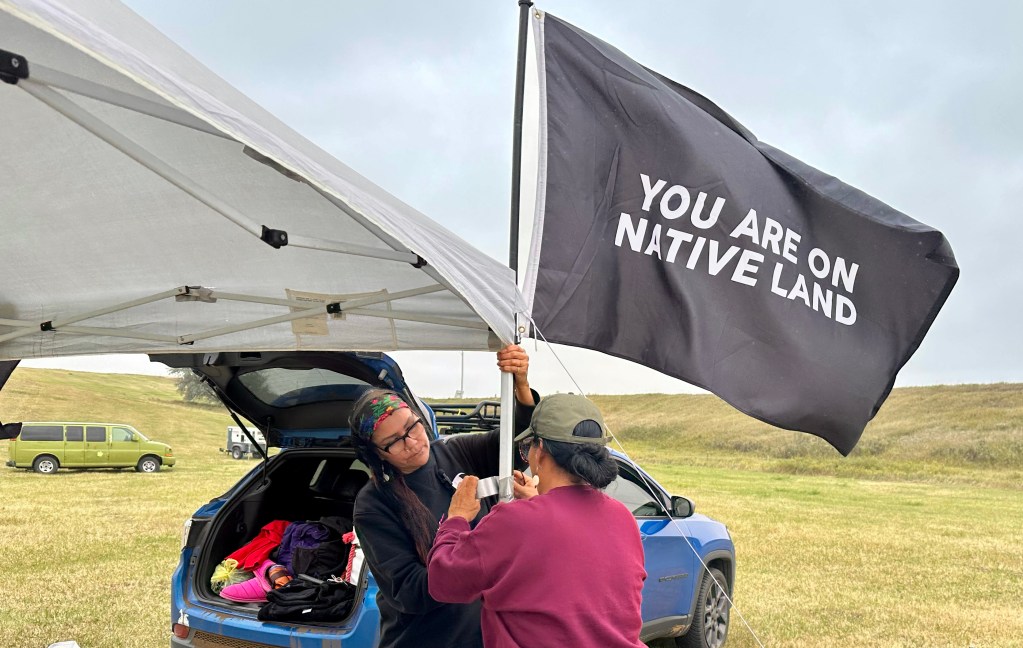
They brought several flags with them to the reunion, including an Omaha Nation flag, a Yankton Sioux Tribe flag and an American Indian Movement flag, which they flew next to their sleeping tent. The two women have traveled near and far together over the past 10 years to support other Indigenous uprisings and cultural empowerment events, including earlier this year when they traveled to Minneapolis to support Indigenous activists opposing federal immigration raids – some of which affected Native people.
Not everyone appreciates the messages of the flags they carry, one of which reads: “You are on Native land.”
“It’s not an easy job to carry a flag,” Parker said. “You have to be steady. You know, you have to be strong because sometimes in what we’re doing and the work that we do, it doesn’t always align with other people’s views.”
Heart-Olsen expressed mixed feelings about returning to Standing Rock.
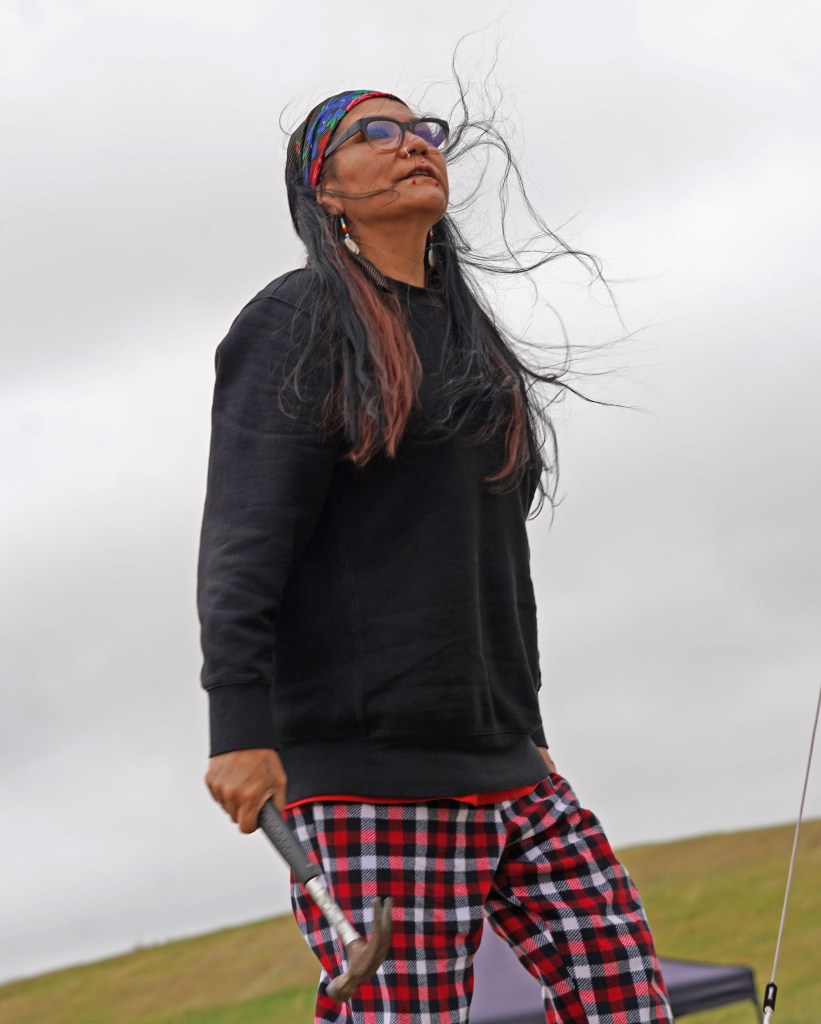
While it was a joy to reunite with so many of the water protectors whom she stood beside during a brutal North Dakota winter a decade ago, it was also tough to remember the violence she experienced on the frontlines.
“To see them after 10 years, it just like gives you a happy feeling, but it also ignites all those feelings and all those adventures and all those like traumas also,” she said. “So I think it’s also like a healing thing for me to be here.”
For nearly a year, from April 2016 to February 2017, thousands of people stood strong against militarized police, federal troops and private security forces hired to protect the 1,176-mile Dakota Access Pipeline. They gathered to resist a private corporation’s efforts to build a pipeline less than a mile from the Standing Rock Sioux Reservation near the North Dakota-South Dakota border.
Citizens of 250 federally recognized tribes across the United States came out in solidarity with Standing Rock, but it wasn’t just Indigenous people from the United States fighting. People came from across the world to stand together.
In the end, they were forced to evacuate their camps as authorities quieted, but never fully extinguished, the uprising.
Today, the pipeline Indigenous people fought against continues to funnel between half a million and 750,000 gallons of crude oil per day across the nation and has plans to increase that amount to more than 1 million gallons a day.
At the same time, the fight against the pipeline lives on through countless signs carried at protests across the nation, through the memories of those who gave months of their lives to the camps and the resistance, in an exhibit at the Smithsonian’s National American Indian Museum in Washington, D.C., and through the Standing Rock Sioux Tribe’s continued silent fight in and out of courtrooms.
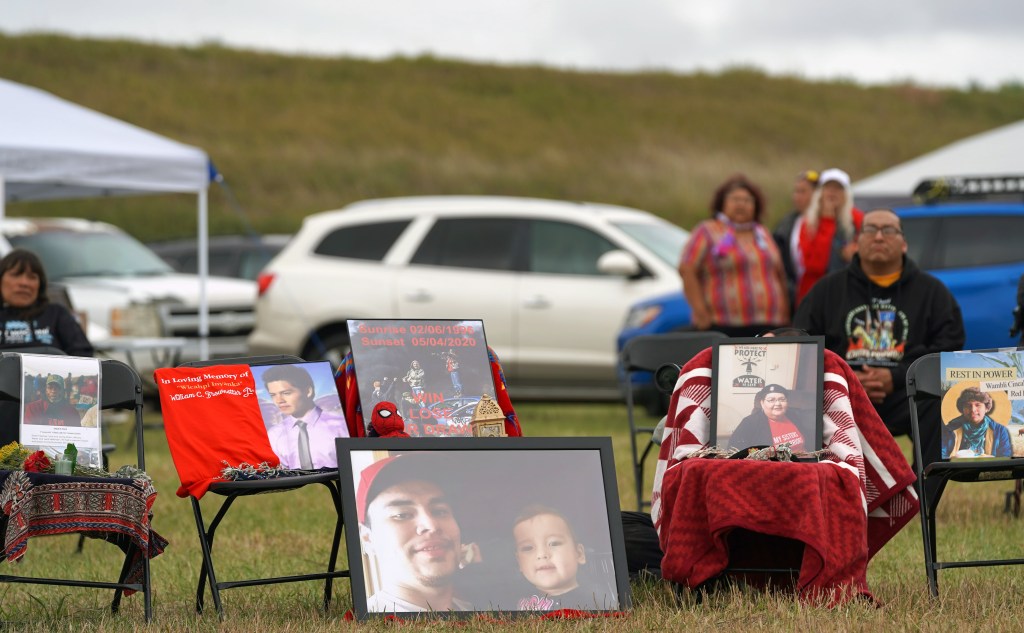
Healing was a powerful undercurrent during the Standing Rock reunion.
Many of those who spoke talked about other water protectors who committed suicide or fell into addiction after the uprising. Many of those people simply couldn’t forget the pain of being brutalized or having to watch the people they love be brutalized by law enforcement agents who seemed so willing to dehumanize them.
Of course, not everyone spoke about hardship. Many shared funny stories about their time and the crazy things their relatives did at Standing Rock.
Freedom McLaughlin, son of LaDonna Brave Bull-Allard, upon whose land #NODAPL began and who died April 10, 2021, spoke about how dismissive his mother was toward many of the celebrities who joined the uprising.
“She was always putting people to work and famous people. She didn’t care if they were famous. She made Shailene Woodley and Ezra Miller put up a tipi,” he said to laughter, referring to the actress famous for her role in the “Divergent” movie series and the actor famous for his role as the Flash in the Marvel cinematic universe.
McLaughlin said his home growing up was like the United Nations as people from all over the world – including Buddhist monks and eastern Indian Seikhs – regularly dropped by to visit a woman who once served as an Indigenous representative to the U.N. Economic and Social Council and who was considered a matriarch of the water protector movement.
“I was exposed to so much of the world,” he said of his life with his mother.
“She fought, and she fought, and she fought against the Dakota Access Pipeline and she made her voice heard,” Sapawin added.
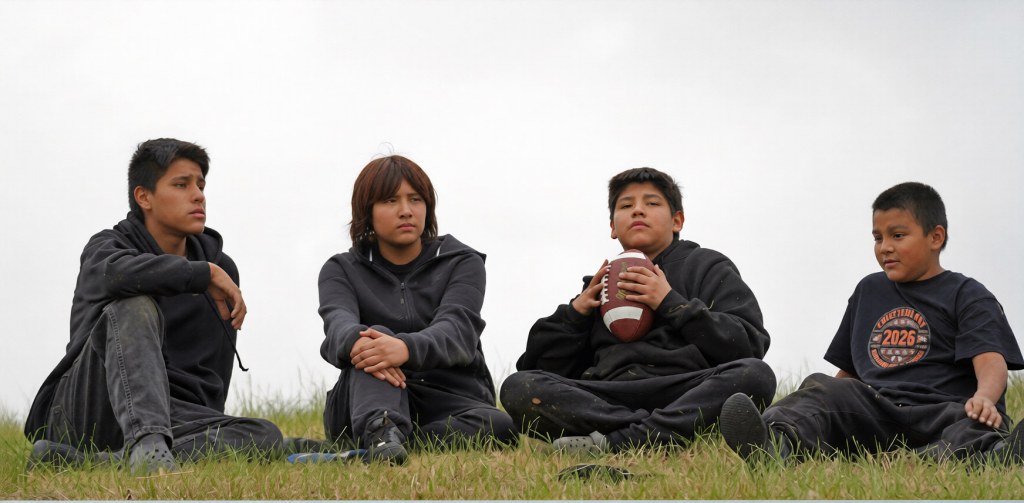
The 10-year reunion event took place near a hill that many people said reminded them of “Facebook hill,” which was a small rise near the main encampment at the NODAPL Standing Rock camp that people would climb in order to be able to use their phones and post messages on Facebook. It is a place that is remote and where cell phone signals are weak.
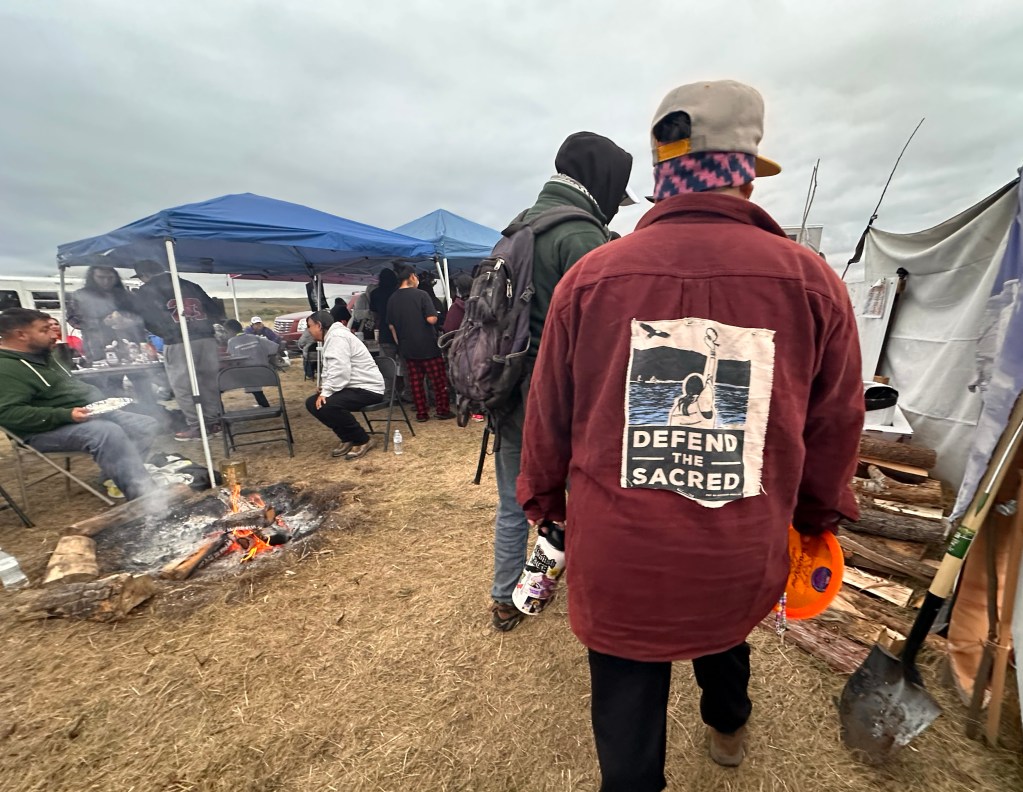
Reunion organizers set up a tent painted red and lit a sacred fire, around which people gathered to pray and meditate and tell stories. Others gathered in the evenings around a fire near a kitchen area, and everyone enjoyed warm, free meals like buffalo stew and frybread.
A slight mist and at times heavier rain fell during most of the reunion, but few could be heard complaining about the weather. Vendors sold crystals and clothing and artwork, and children roamed the campground in packs, laughing and wrestling.
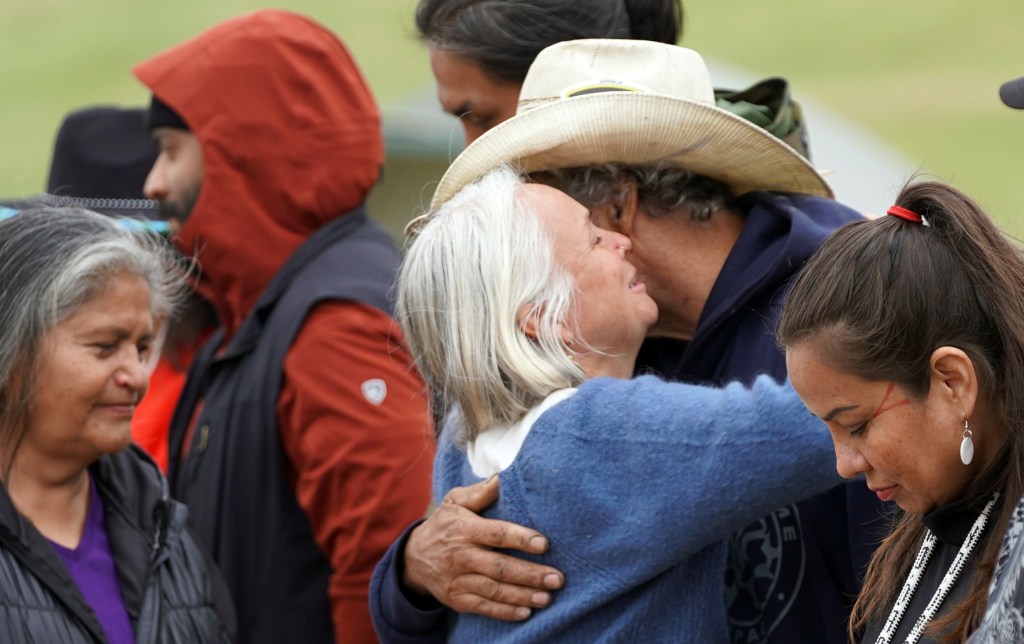
And old friends, some of whom hadn’t seen each other since the uprising, hugged each other tightly and cried.
After Standing Rock, Smith immediately joined the protest against Enbridge’s Line 3, a 1,097-mile crude oil pipeline that runs from Edmonton, Alberta, to Superior, Wisconsin.
But as she joined other movements, she found herself consumed by anger and depression and lapsed into addiction.
“Because I had all these open wounds, I was bleeding all over the people,” she said.
But her story has a happy ending. After years spent healing from post-traumatic stress disorder and addiction following Standing Rock, she was able to find healing and sobriety. Now she tries to educate other activists about the importance of therapy following participation in particularly violent activist movements.
“Any time we go through a little bit of trauma, I feel that we need to make it a point for ourselves and for our community to seek the healing before going forward into the next fight,” she said.
She said one of the most difficult experiences she had at Standing Rock was the day she was forced to leave. She said the uprising changed her life, as it did for so many others.
“They found their purpose and they found themselves within that camp,” she said. “They found healing. We all did.”

