
Sandra Hale Schulman
ICT
The latest: Art in the Ozarks, holiday shopping, Native films for November
ART: Indigenous art in Arkansas
The Crystal Bridges Museum in Bentonville, Arkansas — the land of the Osage and Caddo though it has no formal reservations — held a two-day Indigenous Art Symposium Oct. 16-17, bringing together leading Indigenous artists, curators, scholars and educators.
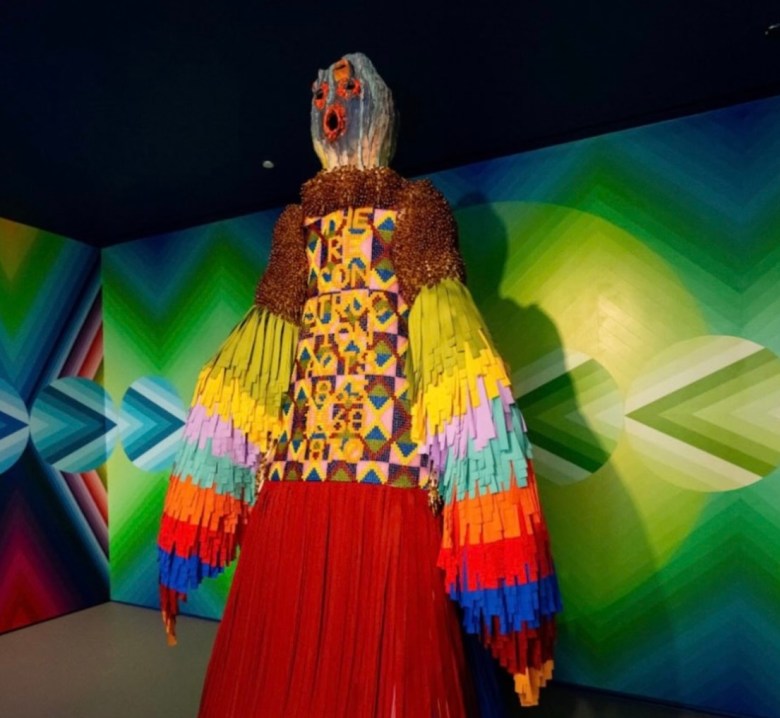
The symposium held panels and workshops with several artists the museum has in its collection, including Jeffrey Gibson, Choctaw/Cherokee; Lola Cody and her weaver daughter Melissa Cody, Navajo; Teri Greeves, Kiowa; Roy Boney, Cherokee; alongside curators and scholars from Crystal Bridges, the National Gallery of Art and the Smithsonian’s National Museum of the American Indian.
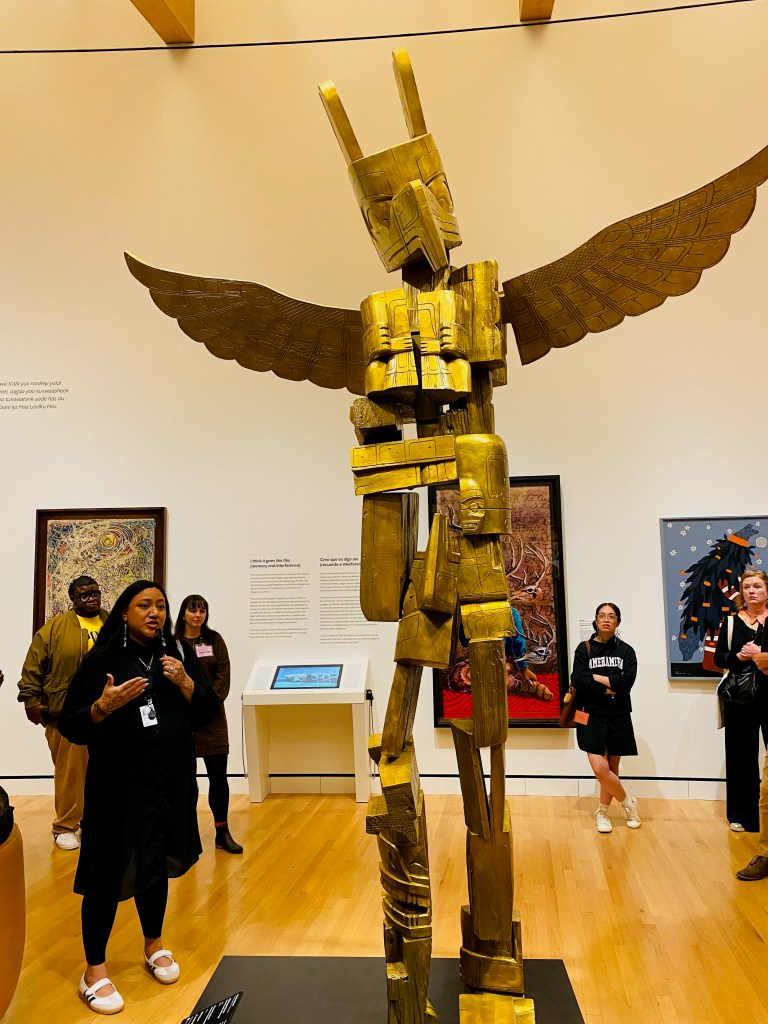
The symposium came just months after Crystal Bridges opened its new 114,000-square-foot expansion, designed by Moshe Safdie, which increased the museum’s size by over 50 percent by adding new galleries, studios, dining, event spaces, and educational centers. Crystal Bridges, founded by Alice Walton of the Walmart family, is located atop a natural cold spring nestled in the Ozarks with trails and public art.
The symposium was organized and curated by Jordan Poorman Cocker, Kiowa, Crystal Bridges’ curator of Indigenous art and NAGPRA officer, who is expanding the museum’s collection of Indigenous art. Poorman Cocker was integral in helping the museum incorporate Indigenous art throughout its galleries, so that artists such as Nicholas Galanin, Sitka, and Raven Halfmoon, Caddo, sit alongside works by Jackson Pollock and Norman Rockwell.
“Something that is important for Crystal Bridges, and I think for all museums with contemporary Indigenous art collections, is to focus on place, and that sense of place,” Poorman Cocker told ICT. “Crystal Bridges is [located] on Osage, Caddo, and Quapaw ancestral territory, and intersects with the Trail of Tears that Indigenous tribal nations walked to go west of the Mississippi during removal.
“With the work of Nicholas Galanin and other indigenous artists, we were thinking about how to create space for the edges and borders of what is now known as America, including Hawaii and Alaska,” Poorman Cocker said.
The artwork and the artists were selected to create balance, she said.
“I’ve known most of the artists in the collection for a number of years,” she said. “We have works by artists who are more regionally known and whose work is more regionally attuned. So really, it’s a balance of collecting artworks that align with our existing collection areas and enable us to tell broad stories of American art.”
The art is exhibited in rooms by theme or materiality, with new themes attuned to the stories that she says they want to present. That leaves room for artwork to be moved in and out.
“Part of the impetus for the re-installation and expansion here at Crystal Bridges was to better center the primary collection areas,” Poorman Cocker said. “One was Indigenous art and the other is the collection of craft. Indigenous arts sometimes intersect with mediums that could be seen as craft, including glasswork, metalwork, textiles. We wanted to depart from a traditional chronological timeline or telling of art history because relationships exist outside of chronology.”
On Saturday, Oct. 17, Poorman Cocker and artist Jeffrey Gibson presented an unusual keynote address that found the two of them seated at a table onstage talking while leading a beading demonstration. Two of Gibson’s works are featured in Crystal Bridges’ permanent collection, “The Enforcer” and “What We Want, What We Need.”
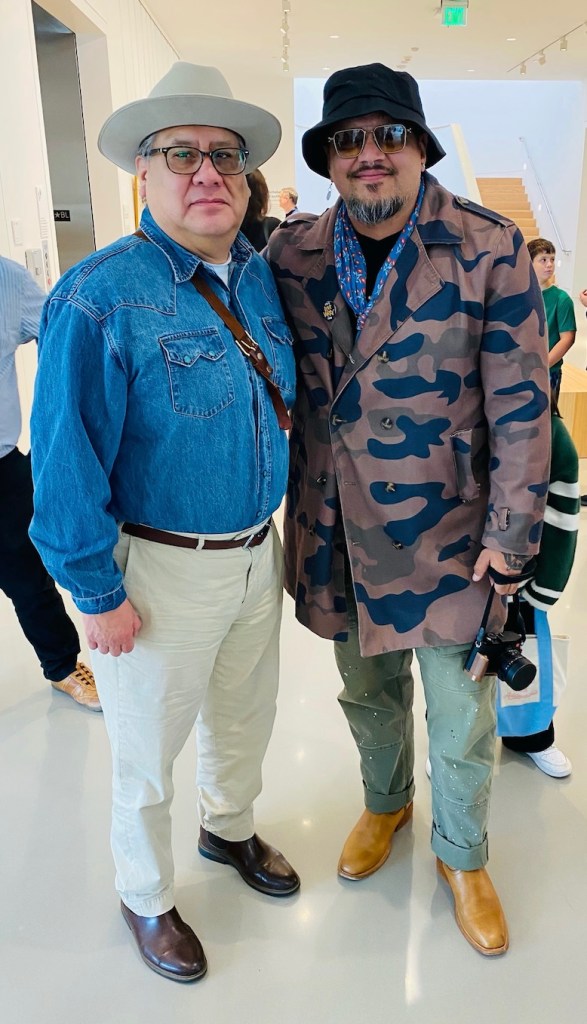
The wealth of Indigenous talent and the proximity to Osage lands prompted several prominent people to support the symposium, including actor Yancey Red Corn, Osage, and language expert Chris Cote, Osage, who both appeared in “Killers of the Flower Moon.”
Sterlin Harjo, Seminole/Musogogee (Creek) was also there, fresh off premiering the second season of his hit show, “The Lowdown,” filmed in nearby Tulsa with several Indigenous actors.
Gibson can also be seen in an exhibit, “Jeffrey Gibson: A Real Love Thing,” opening Oct. 27 and running through March 13, 2027, at the Irene and Richard Frary Gallery at the Johns Hopkins Bloomberg Center in Washington, D.C. Gibson will deliver the Sam Gilliam Lecture at the Hopkins Bloomberg Center on Nov. 12 on the intersections of contemporary art, academia, and public policy.
The focused exhibition explores the past decade of Gibson’s artistic output across sculpture, photography, printmaking, textiles, and painting, examining beauty as a deliberate strategy in Gibson’s practice. The title is a nod to a lyric by DC-born soul legend Marvin Gaye.
HOLIDAY SHOPPING: Top designers at boutique bazaar
Native Star Boutique, the only indigenous store in San Diego’s Gaslamp District owned by Ruth-Ann Thorn, Luiseño,who is a TIME Magazine and Allure Best in Beauty award winner, is hosting a Native Holiday Shopping Day on Saturday, Nov. 7, from noon to 6 p.m.
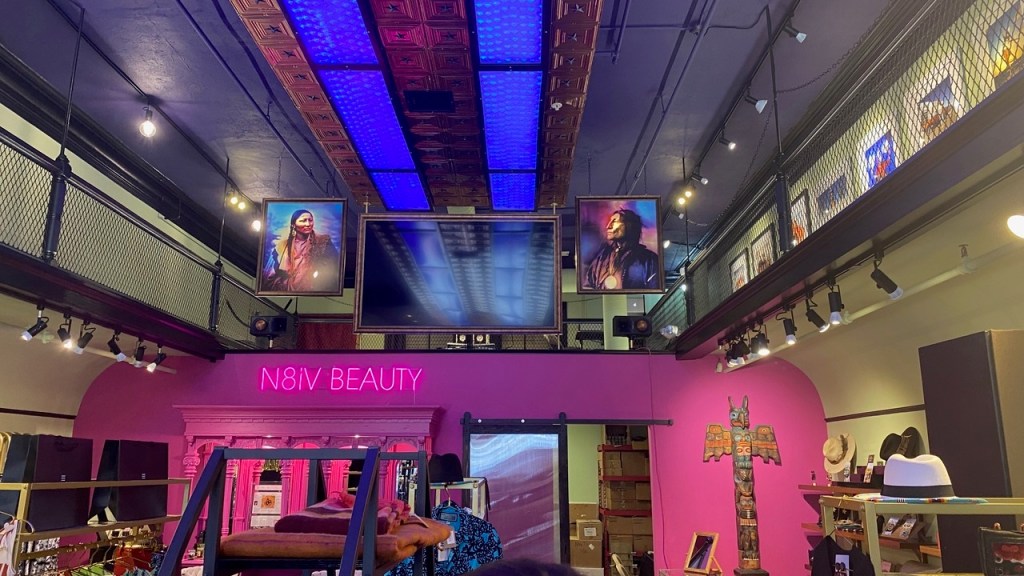
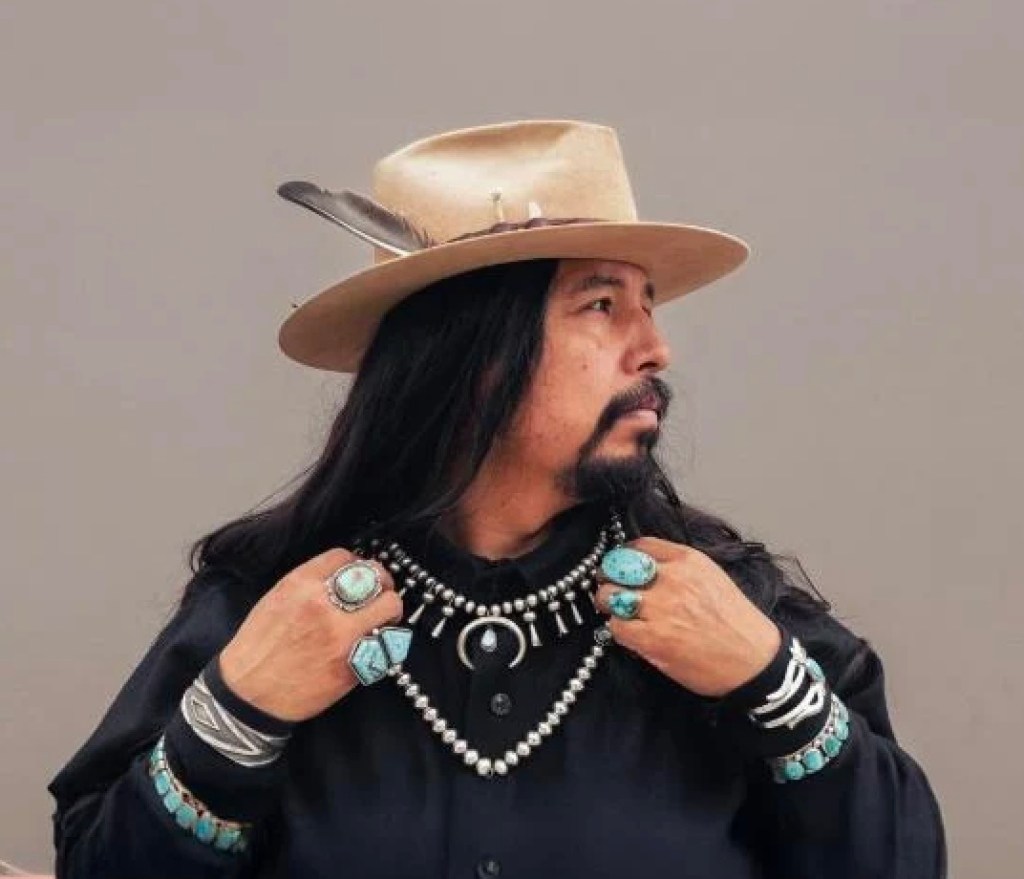
The event will be streamed by First Nations Experience channel at the store and next-door art gallery while chefs cook, models stroll and artists do live paintings.
Top Native fashion designers Patricia Michaels, Penny Singer, and Kayla Lookinghorse will be there, along with jewelry by Cody Sanderson and the new Nike N7 collection of sneakers and clothes.
The event will include a live DJ, and Chef Crystal Wahpepah will be cooking recipes from her book. Thorn’s company, N8iV Beauty, will be offering facials.
FILM: November films on PBS
In recognition of Native American Heritage Month coming up, Vision Maker Media, has announced five new films and two new episodes of the “First Peoples, First Stories” series to debut on the PBS World Channel in November. The programs will also be available for streaming at PBS.org.
Vision Maker Media CEO and President Francene Blythe-Lewis said the line-up of films offer a range of issues.
“This year’s lineup of films is no less robust on a variety of topics” Blythe-Lewis said. “You can expect heartfelt stories about reciprocity, recovery, and perseverance that inspire from the Pacific Northwest to the Southwest and Midwest. There is always something new to learn.”
The films include:
*“Coming Home: From Shadowland to Spiritworld”: After sacred land goes up for sale following 170 years of dispossession brought on by the California genocide of Native peoples, Kashia Pomo Tribal elder (Otis Parrish) mentors a pair of young tribal members (Martina Morgan and Jerry Pinola) on a journey seeking the return coastal land return and self-recovery. It also leads to a search for the truth about missing tribal members. Airs Nov. 4.
*“She Cried That Day”: Christine Means and her family spent years questioning the circumstances surrounding her sister’s death. Then, In 2019, a renewed sense of hope for justice places Christine at the center of the Missing and Murdered Indigenous Women and Relatives movement in New Mexico. Airs Nov. 5.
*“Reservation Redemption”: This film follows the journey of Marchand Rice, a Colville citizen and tribal member who has spent more than three decades in prison. His journey of redemption through his heritage turned a once-reckless teenager into a leader and teacher. Airs Nov. 5.
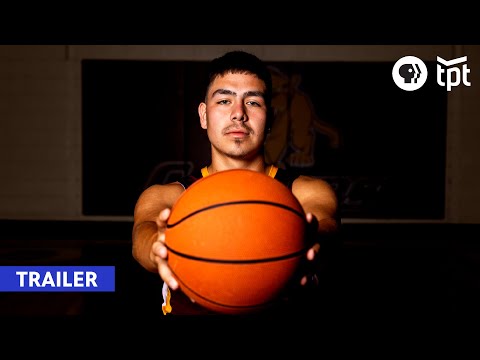
*“Medicine Ball”: Through basketball, Native athletes confront their campus’s boarding school legacy. Native college athletes Lexus Redthunder and Leroy Fairbanks IV navigate college life and basketball at the University of Minnesota Morris, located on the site of a former Native boarding school. Airs Nov. 13.
*“The Land Returns”: The film chronicles a new way that Indigenous nations are using to regain their land as part of a growing grassroots movement of restitution and reconciliation. Airs Nov. 19.
*“First Peoples, First Stories”: Episodes three and four of the series explore the determination of Native women on their journeys toward healing, as well as the courage and strength of Native youth as they navigate their own paths forward. They air Nov. 21.
