
This story was originally published by Source New Mexico.
Leah Romero
Source New Mexico
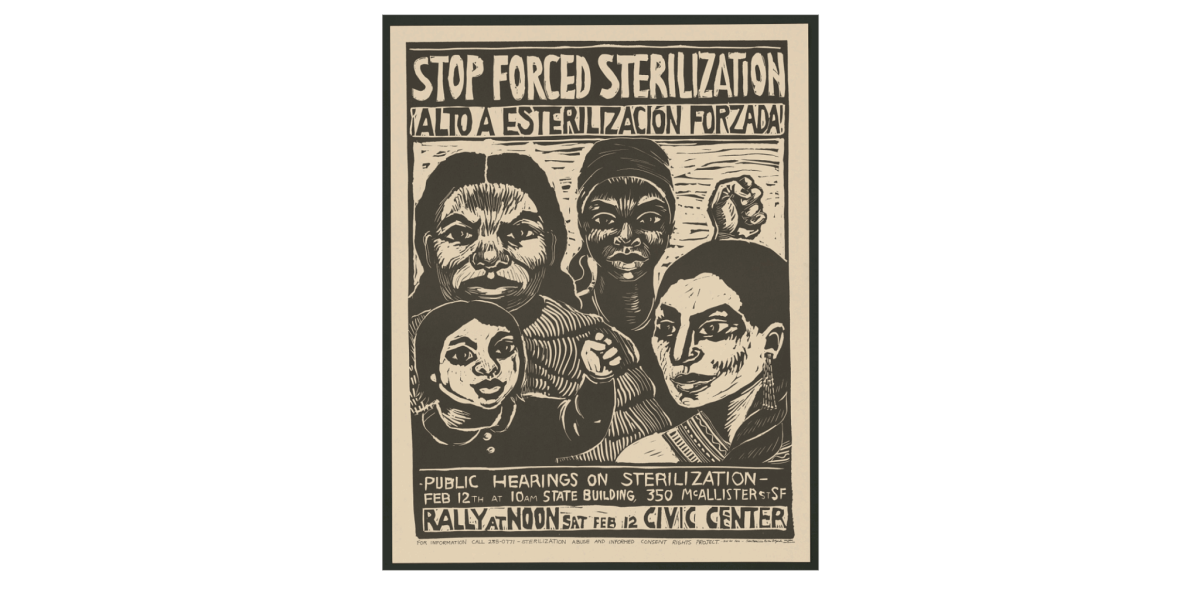
Members of the New Mexico Legislature’s House Government, Elections and Indian Affairs Committee advanced a memorial Friday that calls for a “comprehensive” study of the scope and impact of forced sterilization of Indigenous women and women of color in New Mexico.
House Memorial 32 requests the New Mexico Indian Affairs Department and the New Mexico Commission on the Status of Women identify all cases of forced or coerced sterilization that have occurred in the state and gather survivor testimony. The memorial requests that the agencies evaluate the availability of reproductive health services for women of color and recommend actions the state can take to prevent future forced sterilization practices.
The legislation also requests that the study explore creating a reproductive sovereignty program “focused on culturally grounded health, education and healing services,” developing a public memorial and having the state formally acknowledge the “inhumanity of the grievous policy” of forced sterilization.
The memorial states that the study must be completed and presented to the Legislature and governor by Dec. 31, 2027.
Keely Badger, an international human rights attorney, joined Friday’s meeting as an expert specializing in Indigenous women’s rights issues. According to Badger, if the memorial passes, New Mexico would become the first state in the U.S. to acknowledge the historical scope and continued impacts of these practices.
“Coerced and forced sterilization is considered a crime against humanity under international law and also constituting genocide, both biological and cultural genocide, in certain contexts,” Badger said. “It’s estimated that over 70,000 Native American women and women of color were forcibly sterilized just in the ’70s alone, when these eugenics laws were on the books.”
Jean Whitehorse, Diné, the daughter of a Navajo Code Talker, told the committee about her experience in Gallup in 1972. She said she was admitted to the hospital for a ruptured appendix and was required to sign multiple forms for the emergency surgery.
“I didn’t know one of those papers was for sterilization,” Whitehorse said. She has one daughter and said she wanted more children. “My ability to have more children was medically terminated without my consent. Within our Navajo culture, wealth goes beyond monetary value and material possession. True wealth is the number of children one has.”
HM32’s lead sponsor Rep. Patricia Roybal-Caballero (D-Albuquerque) shared that she had a late term miscarriage years ago and had to have a procedure. However, the paperwork stated she was to have a hysterectomy instead.
“Had [my husband] not seen the checked box indicating that I was being wheeled in for a hysterectomy, I would have had a hysterectomy and been deprived…of further pregnancies,” Roybal-Caballero said. “For me, to hear about cases existing in this day and age, I had nothing more than to be compelled, obligated, a responsibility to ensure that these processes and these institutions stop this forced and coerced sterilization.”
Donald Clark, a physician practicing family medicine, told the committee that he worked with the Indian Health Service throughout his career and continues to work in tribal clinics. He said he supported the memorial because the impacts of previous forced sterilization is still affecting younger generations.
“The issue continues to come up sometimes in younger women and women who are in their 20s and 30s seeking contraception, but not trusting that they will not be irreversibly sterilized because of what they’ve heard from their mother or grandmother or an aunt,” he said. “It’s still an issue that is affecting women’s choice of birth control today.”
