
Amelia Schafer
ICT
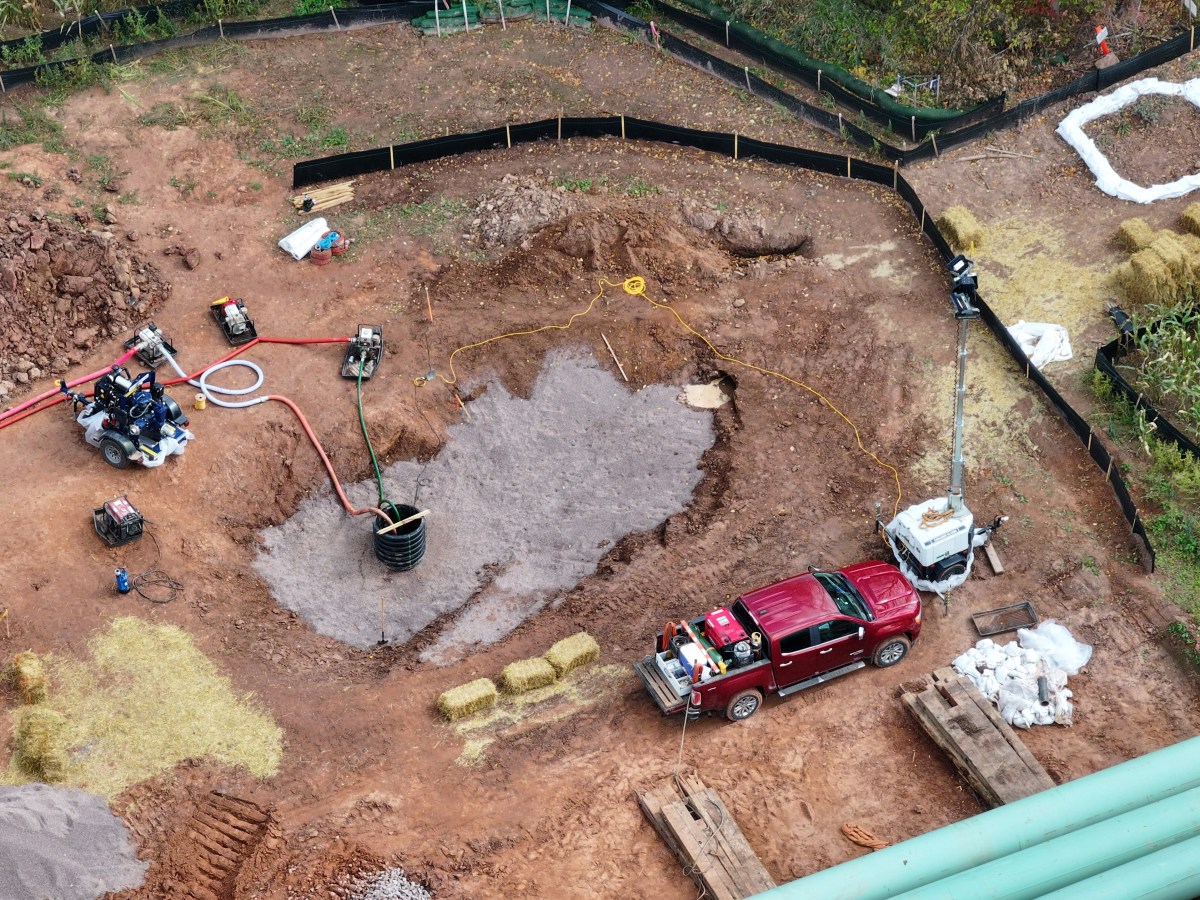
MILWAUKEE, Wisc. — Construction on a controversial oil pipeline rerouting project in northern Wisconsin breached an underground aquifer last week, marking a second environmental incident in 30 days.
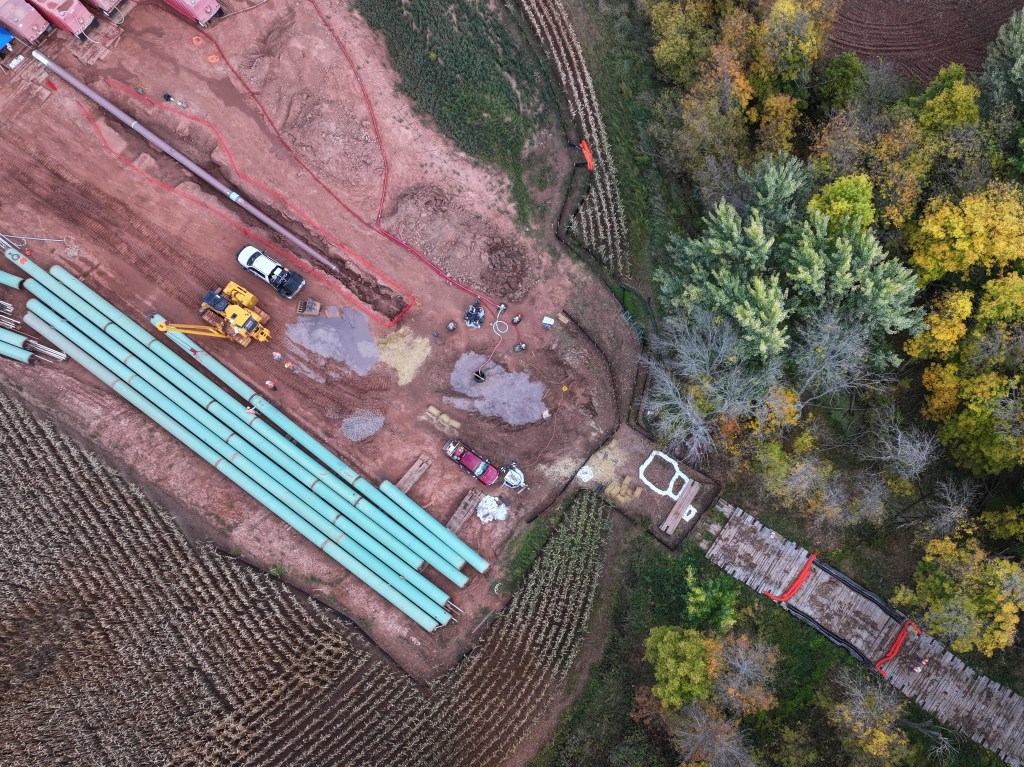
Enbridge, the company operating the pipeline known as Line 5, reported construction crews breached an aquifer under the Marengo River in the Wisconsin Northwoods on Sept. 26 during the installation of a new pipeline segment.
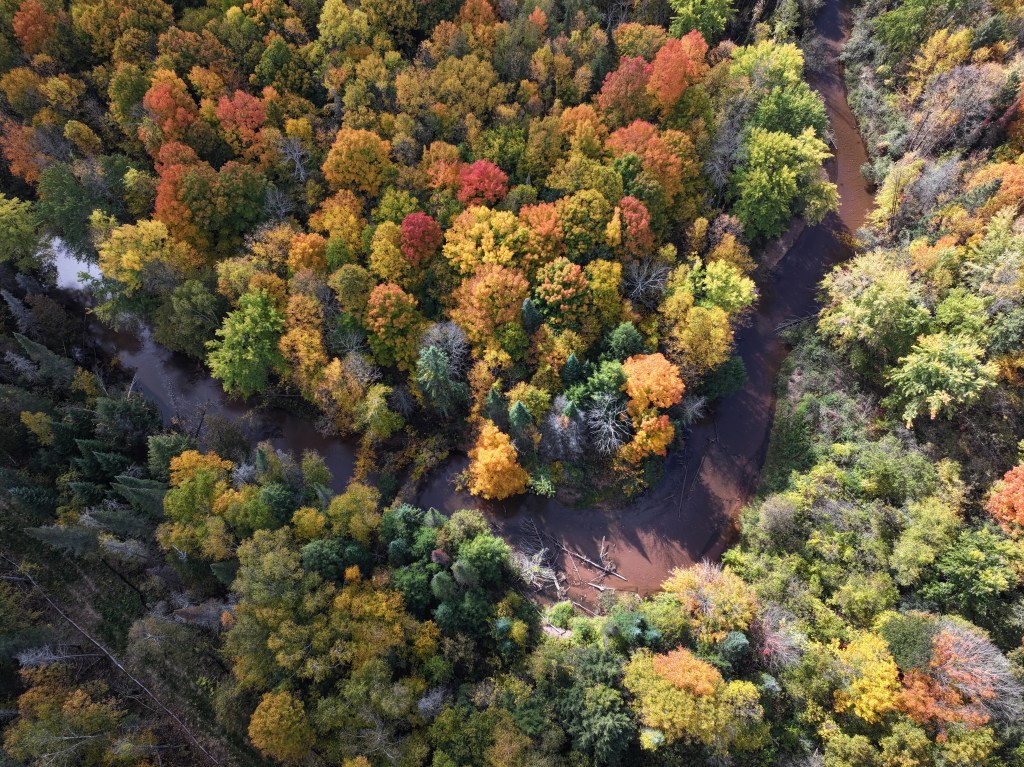
Line 5 is a 645-mile long pipeline carrying crude oil from Superior, Wisconsin to Sanaria, Ontario, Canada. Twelve miles of the pipeline fall inside of the Bad River Band of Lake Superior Chippewa Indians Reservation. The company began a 41-mile rerouting project around the reservation in late 2025.
The Wisconsin Department of Natural Resources informed the tribe of the breach two days after it happened, tribal leaders said.
The breach last month followed a spill of over 1.3 million gallons of natural gas liquids from the pipeline in August and lawyers and leaders from the Bad River Band are demanding accountability – and for the project’s permits to be revoked.
“The [Department of Natural Resources] needs to take Enbridge to court now,” said Johnny Petoskey, a Senior Associate Attorney for non-profit Earth Justice representing the Bad River Band. “They don’t have to wait. …There can be more action and more decisive action on the part of DNR, but so far, they have continued to only show interest in (a) conciliatory approach … and the tribes are the ones that suffer.”
The Wisconsin DNR did not immediately respond to request for comment.
“A flow of water was observed following the direct installation of pipe beneath the Marengo River,” said Enbridge spokesperson Juli Kellner in an email to ICT on Monday. “The observation was reported to the Wisconsin Department of Natural Resources; agency representatives have visited the site. There has been no flooding and no reports of environmental impacts to drinking water wells or waterbodies.”
Kellner said Enbridge is working with the state experts and other specialists to determine next steps.
“From the beginning, the band has been very clear (that) the construction of this pipeline has many risks, many of which have been realized,” Petoskey said. “But the operation of the pipeline and Enbridge’s track record as a responsible operator of oil and gas pipelines does not inspire confidence in the band, nor do these incidents.”
There’s an abundance of wetlands fed through groundwater in northern Wisconsin, Petoskey said, creating a very sensitive environment. Artesian aquifers such as the Marengo aquifer, contain some of the purest water available, he said.
“When these punctures happen and uncontrolled groundwater leaks out of the confined aquifer, it can disrupt the habitat of the wetland and interfere with the services that that wetland provides by deluging it with a bunch of water that was not previously there,” Petoskey said. “And the band has been saying from the beginning that aquifer breaches were a very serious risk, especially on this part of the pipeline that could have detrimental effects to habitat, to water quality. And here we are with those effects realized.”
Bad River leaders have met with Wisconsin Gov. Tony Evers, other tribal leaders and various state officials to express their concerns over the pipeline, said Chairwoman Liz Arbuckle.
“We’ve asked, can you revoke a permit? And we have not been able to get an answer on that,” Arbuckle said. “There are still a lot of answers we don’t have, and I think people in Wisconsin don’t have.”
The breach came almost exactly one month after the pipeline construction caused what is believed to be the largest oil and gas pipeline leak in Wisconsin history.
On Aug. 25, an unoccupied semi-truck rolled into an exposed segment of the pipeline near Saxon, Wisconsin, causing over 1.3 million gallons of natural gas liquids to spill into the air.
Enbridge did not respond to questions regarding its clean-up efforts on the Saxon spill.
Petoskey said there has been no analysis, accountability and few answered questions regarding the pipeline.
“The DNR is allowing Enbridge to go rogue and exist and operate above the law, and they’re not doing enough,” Petoskey said. “Enbridge’s bottom line is not the DNR’s public responsibility. The DNR’s public responsibility is to the people of Wisconsin, and to the natural resources that they rely on, and that also support the band’s way of life, and they just haven’t been doing it.”
Bad River leaders said they fear the recent incidents could directly impact the tribe.
“What we’ve been worried about is exactly this,” said Arbuckle. “The harm to our wild rice, to our waters, to our animals, to our people. We’re concerned with any of that kind of activity, especially if it’s done in any kind of sloppy manner, which we see what happened here. We have concerns that that could have a short-term and long-term effect on us.”
In 2022, Enbridge paid out over $11 million as a result of breaching aquifers in Minnesota during restoration construction on a different pipeline, called its Line 3, near the Fond du Lac Band of Chippewa Indians reservation.
While the DNR and Enbridge have provided information to the Bad River Band, Petoskey said the information is often insufficient and late.
“The band is a government, just like DNR, just like the federal government, and it has responsibilities to keep the water safe for its citizens,” Petoskey said. “And despite those responsibilities, DNR and Enbridge have repeatedly brushed off demands to do a site visit. All along the way, the band has continued to say, based on our governmental expertise, living in this homeland for hundreds of years, these are the risks. And at every step of the way, DNR and Enbridge have simply ignored them.”
